
Last updated November 21, 2026
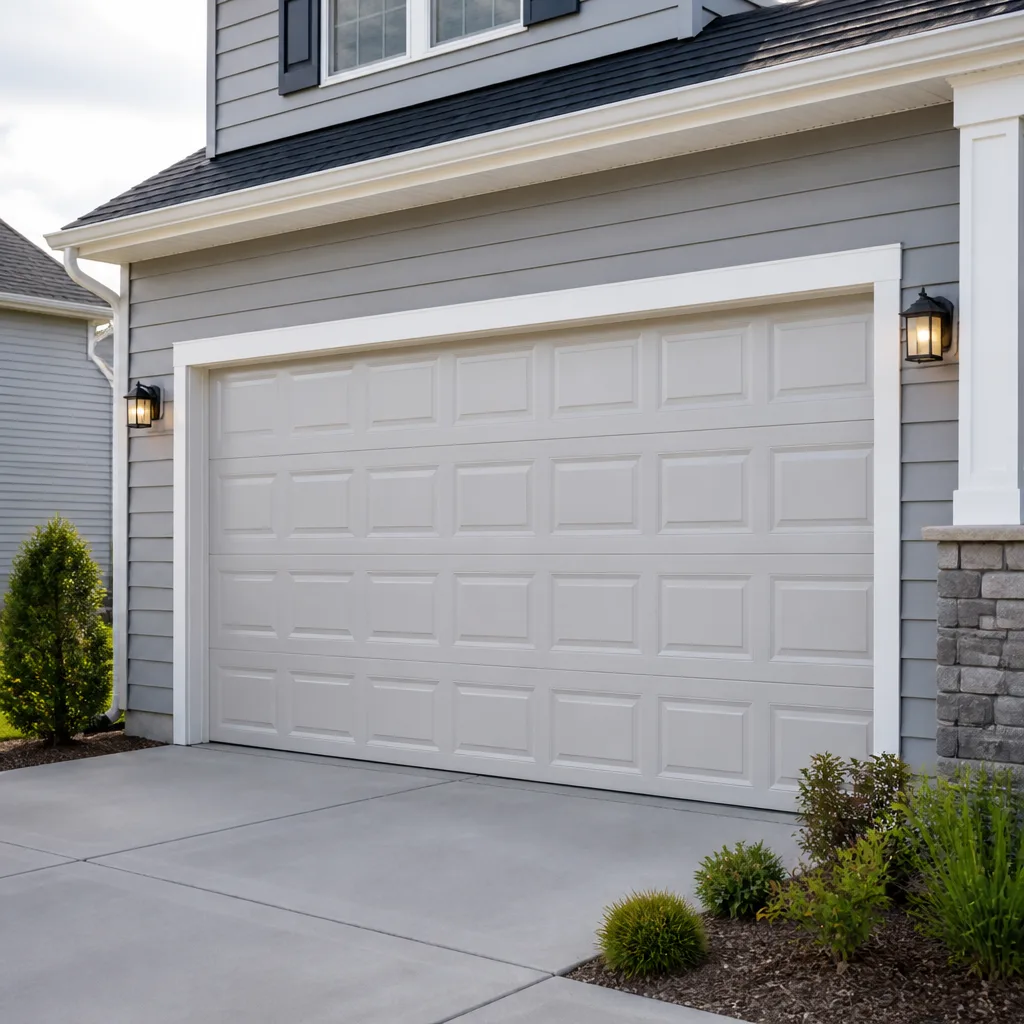 Raised-panel steel
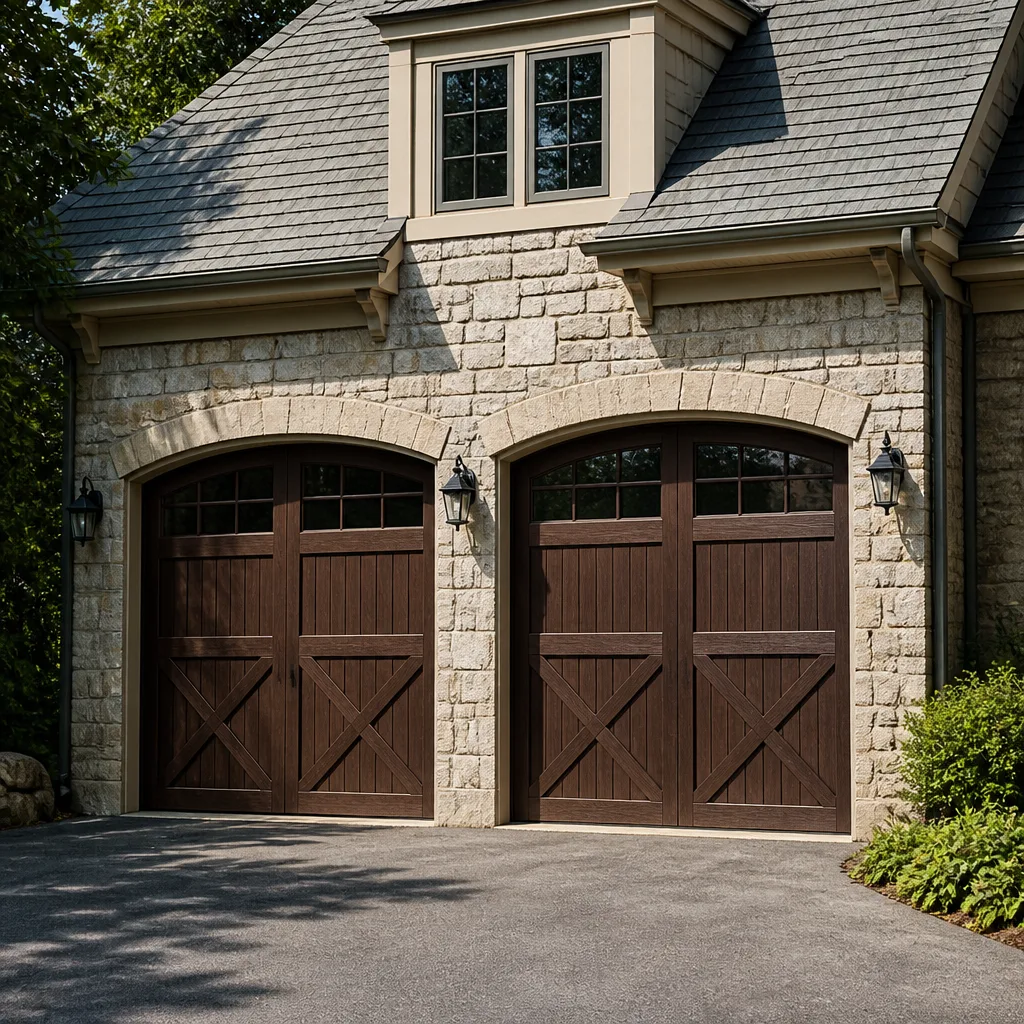 Carriage house
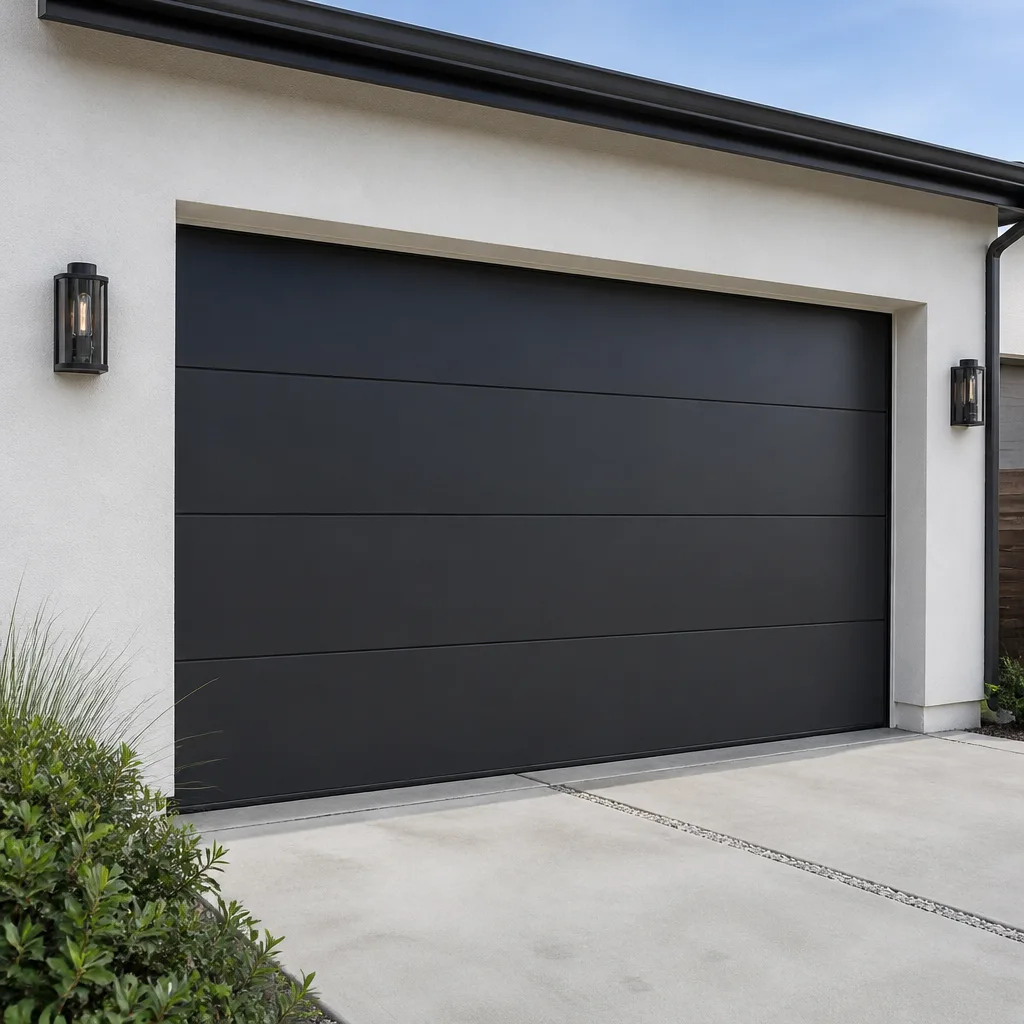 Modern flush
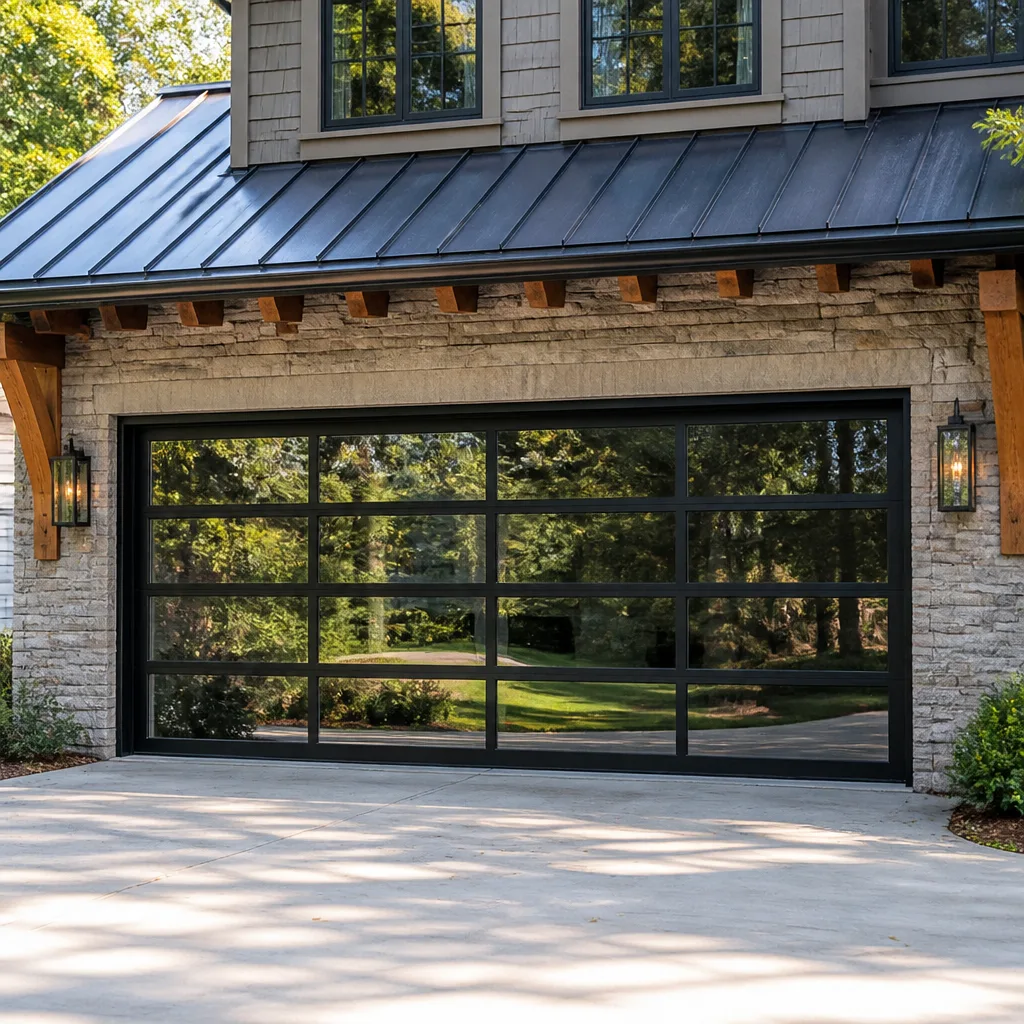 Full-view glass
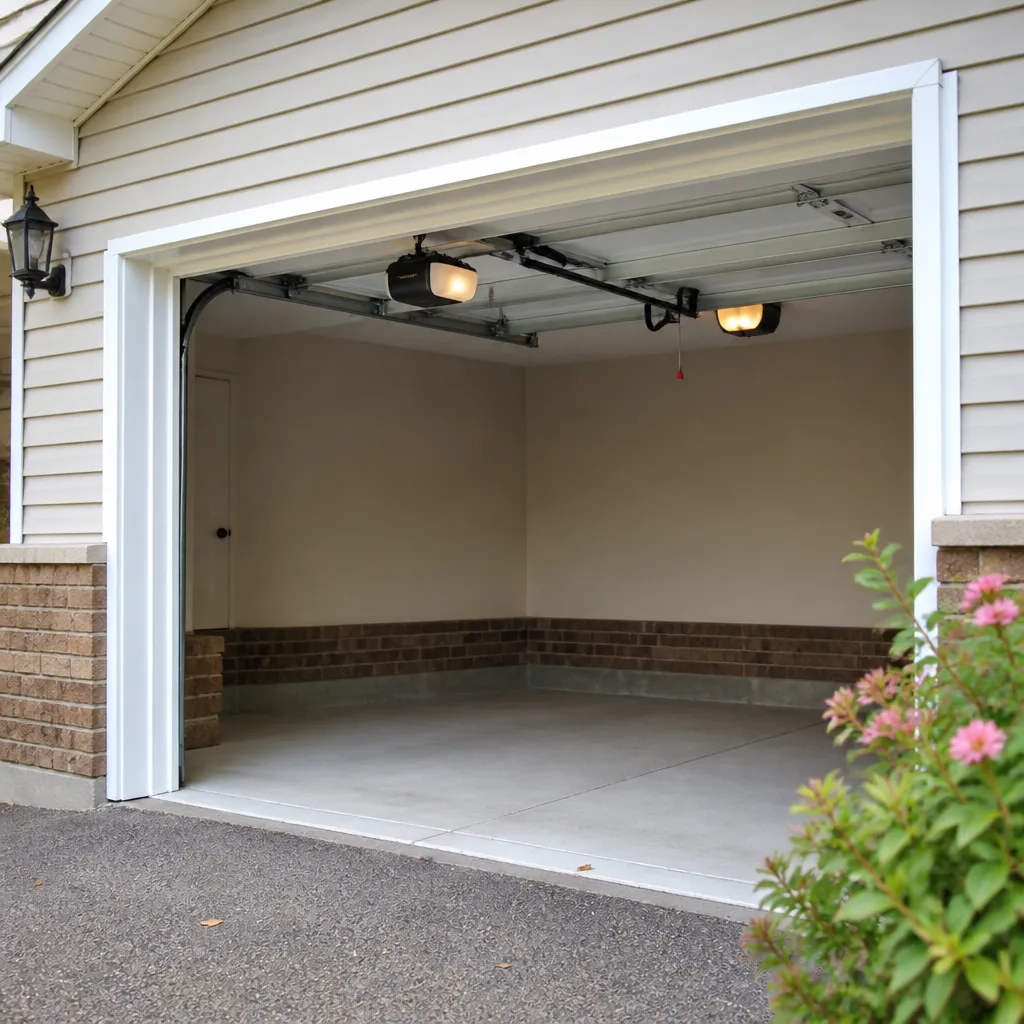 LiftMaster openers
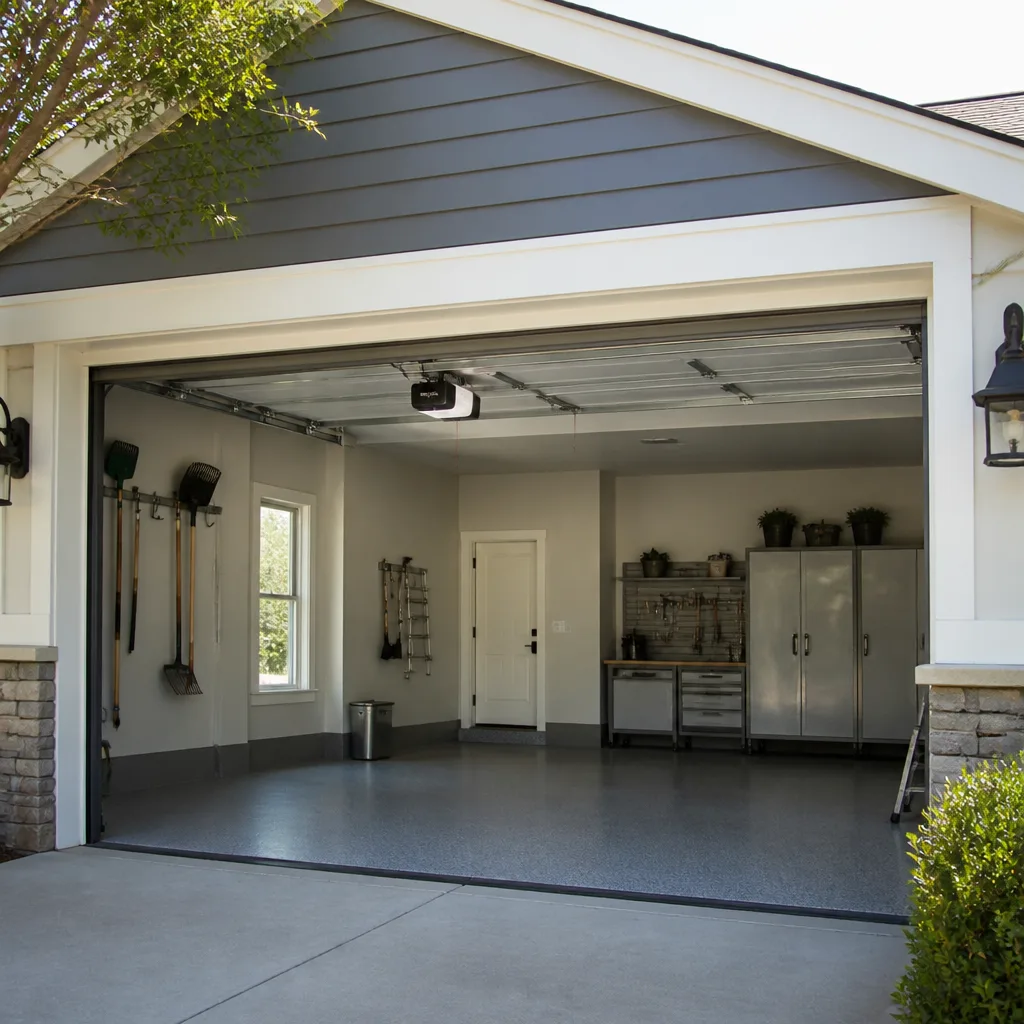 Chamberlain openers
Full 25-point door and opener safety check with every visit - springs, cables, rollers, tracks, and your LiftMaster or Chamberlain opener included
You get a price before we start. It does not change when the pro arrives.
Get your free estimateGarage Door Emergency Preparedness Guide for Throggs Neck Homes
When a torsion spring snaps at 7 AM and your car is inside, most people’s first instinct makes things worse. Grabbing the door and forcing it up feels like action, but a door with a broken spring is now off-balance, and dragging it along the track can bend the rails permanently, turning a spring job into a full track and panel replacement. The second most common mistake is the opposite: waiting hours because nobody knows how to release the door safely. Throggs Neck homes have their own rhythm of narrow driveways, tight one-car garages, and multi-vehicle households where one failure strands everybody. This guide walks you through the specific protocol for handling a garage door emergency here, from the first sixty seconds through the call and the repair.
Quick Answer
A garage door emergency in Throggs Neck calls for three things in order: stop forcing the door, secure the opening, then call a specialist with your door and opener details ready. Never pull a door with a snapped spring by hand, and never leave a door that won’t close open overnight. We answer 24/7 and offer fast dispatch from 7am to 7pm, Sunday through Friday, so a failed door doesn’t sit broken for long.
Styles & brands we work with
- Raised-panel steel
- Carriage house
- Modern flush
- Full-view glass
- LiftMaster openers
- Chamberlain openers
Table of Contents
- The First Five Minutes: What to Do When Your Door Fails
- What to Do After a Spring Failure (Without Damaging the Track)
- How to Secure a Door That Won’t Fully Close
- What to Have Ready When You Call
- Storm-Damaged Panels: Cosmetic or Structural?
- Multi-Car Households: Design Against a Single Point of Failure
- Preventive Checks That Buy You Time
- Brand Fluency: Why Your Make and Model Matters in a Crisis
The First Five Minutes: What to Do When Your Door Fails
Your first move after a garage door failure sets the tone for the whole repair. If the door is stuck, jammed, or hanging unevenly, stop operating it. Every press of the opener button or pull on the handle adds stress to components that are already compromised, and on a torsion spring system those components are under extreme tension. This is not a DIY repair. Springs, cables, and the hardware holding them are the most hazardous parts of the entire door assembly, and trained technicians treat them that way.
Here’s the safe sequence for the first five minutes:
- Stop all operation. Don’t press the wall button, don’t use the remote, and don’t pull the manual release yet if the door is up. Let it stay where it is until you’ve assessed it.
- Look and listen. A loud bang from the garage usually means a torsion spring. A grinding sound points to the opener or rollers. A door that moves a few inches and reverses suggests a safety sensor or a binding track.
- Check for hanging parts. If a cable is loose, a spring is dangling, or a panel is separated from the frame, keep everyone clear of the door path. Don’t walk under it.
- Secure the opening if the door is down. If the door is fully closed and won’t open, your garage is secure. That’s the best-case failure. Leave it and call.
- Call a specialist. Call (877) 792-6871. We answer 24/7. Fast dispatch from 7am to 7pm, Sunday through Friday.
In Throggs Neck, where driveways are often short and the garage is the primary parking spot, a door that won’t open strands your vehicle fast. Getting the call in early matters more than trying to troubleshoot. We’d rather hear from you at the first sign than after an hour of forcing a door that was never going to move on its own.
What to Do After a Spring Failure (Without Damaging the Track)
A broken spring turns your door into a dead weight, often several hundred pounds, with nothing counterbalancing it. That’s why forcing it damages the track: the door doesn’t rise evenly, the rollers bind, and the rails bend under a load they weren’t designed to carry unbalanced. The track is usually the most expensive thing to replace after the spring itself, so protecting it is the whole game.
Here’s how to release and operate the door safely after a spring failure, when it’s safe to do so:
- Determine the door’s position. If it’s fully closed, leave it closed. You don’t need to open it to get help, and a closed door is stable.
- If the door is up, don’t pull the release and let it drop. An unbalanced door in the up position can come down hard. Keep people clear and wait for a technician.
- If you must open a closed door to move a vehicle, use two people. Disengage the opener with the manual release cord (pull straight down and back, slowly), then lift the door evenly by the bottom section, one person on each side, and push it up until it’s fully open. Never lift one side first.
- Prop or secure the open door before walking away. An open door with a broken spring has nothing holding it up. Don’t leave it raised unattended.
- Don’t try to remove or replace the spring. Torsion springs are wound to high tension. A slip can cause serious injury. This is exactly the job our spring repair service exists for.
We’ve seen Throggs Neck homeowners turn a single spring replacement into a track and roller overhaul by wrestling a door open alone. If you’re not certain the door will move smoothly and evenly, don’t move it. Call and let a technician handle it. Our technicians have up to 11 years of experience with torsion and extension systems, and they’ll tell you straight whether the door is safe to operate.
How to Secure a Door That Won’t Fully Close
A door that won’t close leaves your garage open to weather and to anyone walking past. The priority shifts from “get it working” to “make the opening secure until a technician arrives.” Throggs Neck has plenty of homes where the garage faces the street or a shared driveway, so an open door is visible and vulnerable.
Here’s how to secure the opening without making the repair harder:
- Clear the door path first. Remove anything the door is hitting, but don’t force the door past an obstruction. If a track is bent or a roller is off, forcing it will make it worse.
- Check the safety sensors. A door that closes a few inches and reverses is usually seeing an obstruction. Look for a misaligned sensor eye, a spider web, or something in the beam path. Many openers, including LiftMaster and Chamberlain models, have an indicator light on the sensor that shows alignment.
- Lower the door manually if it will travel. With the opener disengaged, walk the door down evenly by hand. If it moves smoothly, close it fully and lock it if your door has a manual lock.
- If it won’t close, block the opening. A heavy board across the opening at the bottom, or a temporary brace, keeps the door from being lifted from outside. Don’t rely on the opener to hold it.
- Don’t leave it open overnight. Call for service the same day if you can.
If the door is hanging off one track or a panel is cracked, don’t try to lower it at all. A panel that lets go under load can injure someone standing nearby. Secure the perimeter, keep the garage locked from the inside, and call (877) 792-6871. We treat a door that won’t close as a priority call because of the security exposure.
What to Have Ready When You Call
The right information on the phone gets the right parts on the first visit and saves you a second appointment. Most emergency calls take less than two minutes if you have these details handy. Have this list ready before you dial:
- The door’s condition. Is it up, down, or stuck partway? Did it make a loud bang, a grinding noise, or nothing at all?
- The door type and material. Sectional steel, wood, aluminum, or a single-panel tilt door. Note the approximate width and height if you know it.
- Spring type. Torsion springs run along a shaft above the door; extension springs run along the sides. If you can see which one broke, say so.
- The opener brand and model. LiftMaster, Chamberlain, Genie, and Raynor are the most common we see in Throggs Neck. The model number is usually on the back or side of the motor housing.
- What you’ve already tried. If you pulled the manual release or pressed the wall button, tell the technician. It changes what they check first.
- Your address and any access notes. Tight alleys, shared driveways, or a gate code matter in Throggs Neck’s denser blocks.
The more you can tell us up front, the faster we can match the job to the right technician and parts. If your opener is a Genie or a Craftsman, mentioning it means the technician arrives knowing the control board and safety sensor layout before they get out of the vehicle.
Storm-Damaged Panels: Cosmetic or Structural?
Throggs Neck sees its share of Nor’easters and heavy summer storms that push debris against garage doors and drive wind and water into the opening. A dented panel is one thing, but a panel that’s been pushed out of alignment is another. The difference matters because an improperly seated panel can compromise the whole door’s structural integrity, and a door that’s out of square can damage the opener, the tracks, and the springs over time.
Here’s how to assess the damage:
- Cosmetic: A shallow dent with no change to the panel’s shape, edges, or fit. The door still opens and closes smoothly and sits flush in the frame. This is usually panel replacement or nothing at all.
- Structural: A panel that’s bent, creased, or separated from the adjacent one, gaps at the seams, or a door that moves roughly, unevenly, or catches the track. Stop operating it.
- Safety check: The bottom panel takes the most impact. If the bottom panel is damaged, the safety reverse feature may not work correctly, and the door may not seal against the ground.
- Opener stress: A heavier or misaligned door puts more load on the opener. If the door has been storm-damaged, have the opener checked too, since the motor and drive system may have been working harder than designed.
We’ve seen a bent panel on a Raynor door look cosmetic until the door was run and the panel twisted against the track. If there’s any question, don’t run the door. Call a specialist and let a technician inspect the panel, the track, and the opener together. Hail is uncommon in Throggs Neck, so most damage here comes from wind-blown debris and tree limbs, not ice falling from the sky. When a limb or a loose object strikes the door, treat the panel as suspect until checked.
Multi-Car Households: Design Against a Single Point of Failure
A single-spring failure should never trap both vehicles. In many Throggs Neck homes, one garage door serves two cars, and when the spring goes, both are stuck behind the same dead door. The fix is design, not luck. Here’s how to plan ahead so one failure doesn’t strand the household:
- Match springs, not just the broken one. Springs are usually replaced in matched pairs because they wear together. A single new spring against an older one creates uneven tension and shortens both lives. When a spring fails, replace the pair so the door stays balanced.
- Know which vehicle parks closest to the door. In a tight one-car or tandem garage, the vehicle behind the door is always at risk. If you have a second exit or a driveway space, park the car you’d need first in the accessible spot.
- Keep the manual release reachable. If the release cord is blocked by stored boxes or shelving, you can’t disengage the opener when you need to. Keep a clear path to it.
- Consider a second opener or a smart opener with a battery backup. Many LiftMaster and Chamberlain units support battery backup, which keeps the door operating during a power outage.
- Know the number to call. Save (877) 792-6871 in your phone under “garage door” before you need it.
For households where the garage is the only parking, it’s worth having a plan for the morning after a failure. If you know your door’s model and opener brand, you save time on the call. The point is to avoid a situation where one broken spring locks out the entire household and forces a scramble for a ride.
Preventive Checks That Buy You Time
Most garage door emergencies start as small problems that were ignored. A door that’s been a little noisy for a few weeks or runs slightly rough is telling you something. Here’s what to check and when:
- Monthly: Test the safety reverse. Place a roll of paper towels in the door’s path and close it. The door should reverse on contact. If it doesn’t, the sensors or the opener need attention.
- Monthly: Look at the springs. If you see gaps, kinks, or rust on a torsion spring, or stretched coils on extension springs, have them checked before they fail.
- Seasonally: Wipe down the track and check for loose hardware. Listen for grinding, squeaking, or a change in the door’s speed. Noisy operation can signal worn rollers or a failing opener.
- Annually: Have a technician inspect the door’s balance, springs, cables, and opener. An annual check catches worn parts before they become an emergency.
- Before storms: Clear anything near the door that could be blown against it, and check for tree limbs that could come down on the door during a Nor’easter.
A door that’s properly balanced and lubricated puts less stress on every component, including the springs and the opener. If your door is older and the springs look original, a technician can tell you the likely remaining life. If it’s time for a full replacement, we also handle garage door installation so you’re not sourcing a separate contractor.
Brand Fluency: Why Your Make and Model Matters in a Crisis
Every brand has its own control boards, safety sensor behavior, and drive systems. A LiftMaster logic board doesn’t troubleshoot like a Genie, and a Chamberlain belt drive has different failure points than a Raynor chain drive. Knowing the brand before a technician arrives means the right parts come on the first visit, which matters more in an emergency than any other time.
We work on your brand. We’re fluent across LiftMaster, Chamberlain, Genie, Clopay, Amarr, Wayne Dalton, Craftsman, and Raynor, covering the vast majority of residential doors and openers in Throggs Neck driveways. That fluency doesn’t just help on the repair day: it means when you call with a Genie opener problem or a Clopay panel failure, we can tell you on the phone what’s likely wrong and what to have ready. For full opener diagnostics, our garage door opener repair service handles control boards, safety sensors, and drive systems brand by brand. Spring failures fall under Garage Door Repair Throggs Neck, and if the door itself has reached the end of its life, our garage door installation service can walk you through replacement options.
When a door needs a component-level fix or a full replacement, having the same company handle diagnostics, repair, and installation keeps things simple. You’re not calling one contractor for the door and another for the opener. garage door repair covers the mechanical side, and it’s the same specialist who handles the emergency call.
Common Mistakes to Avoid
- Forcing a door with a broken spring. The door is unbalanced and several hundred pounds. Pulling it by hand bends the track and can injure you. Stop and call instead.
- Replacing one spring instead of the pair. Springs wear together. A single new spring against an old one creates uneven tension and shortens both lives, so the second failure usually comes soon after.
- Pulling the manual release on a raised door. An unbalanced door in the up position can drop hard. If the door is up and the spring is gone, leave it and call.
- Leaving a door that won’t close open overnight in Throggs Neck. The garage is visible from the street on many blocks. Secure the opening if you can’t close it, and call for service the same day.
- Trying to fix a torsion spring yourself. The tension in a wound spring can cause serious injury. This is exactly the job a specialist handles.
- Ignoring a cosmetic dent that’s actually structural. A creased panel that’s out of alignment can damage the opener and tracks over time. Have it checked before you run the door.
- Not knowing the brand and model. A lifted model number saves a second visit. Know your opener brand and the door type before an emergency forces you to find out the hard way.
See the difference
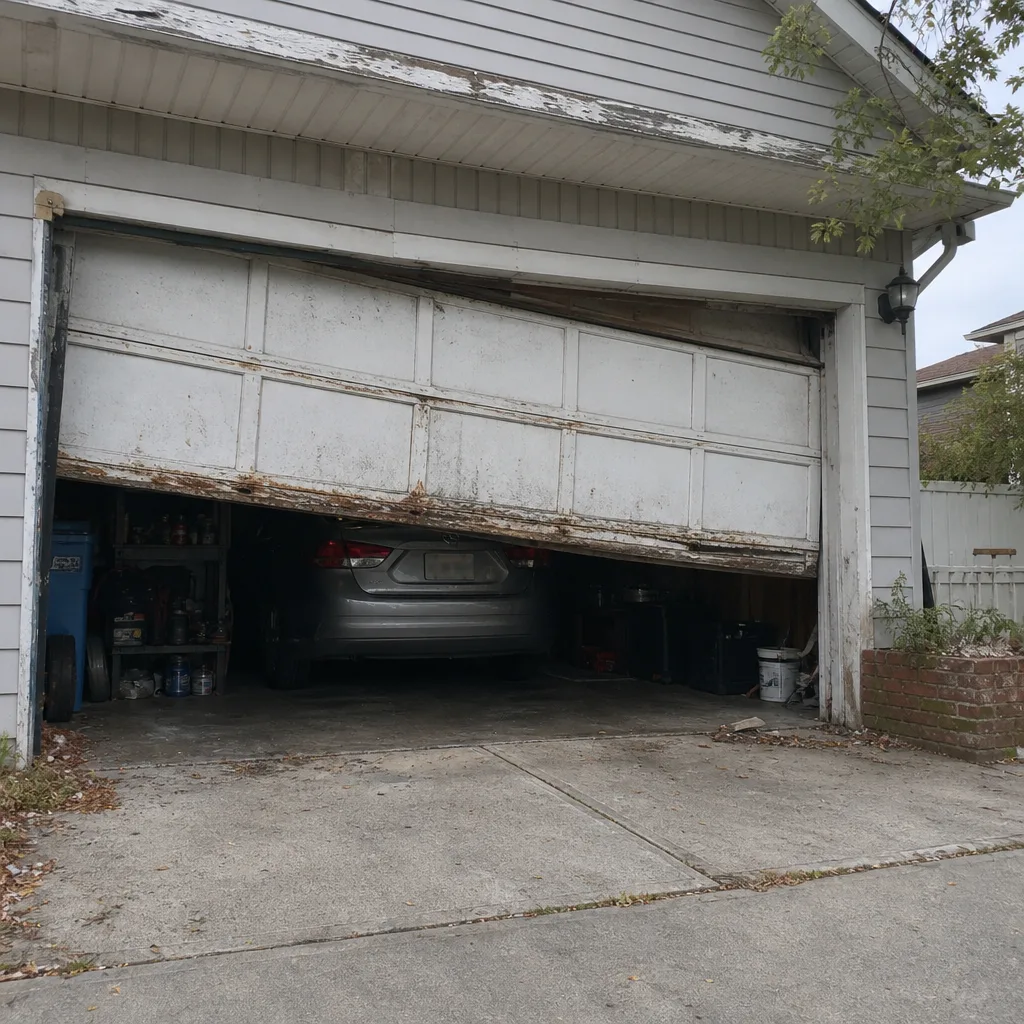 Before
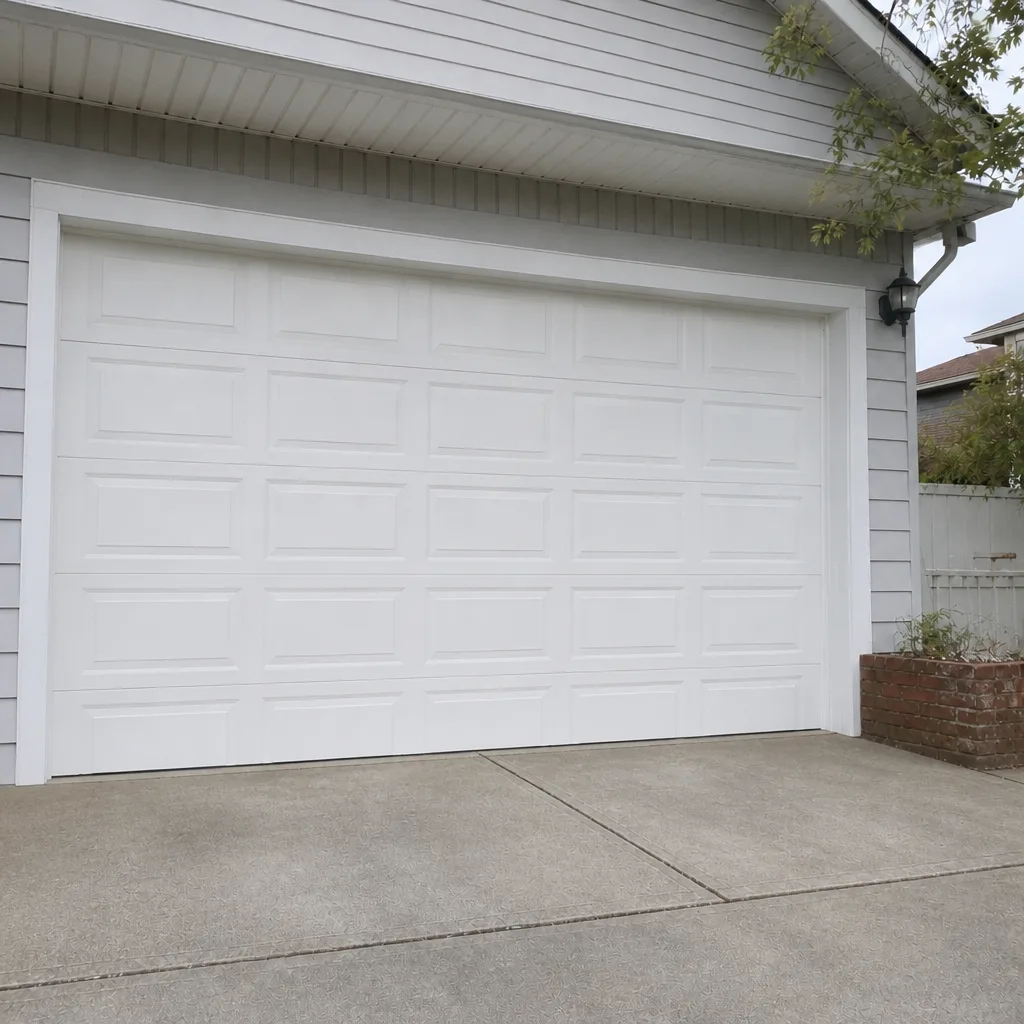 After
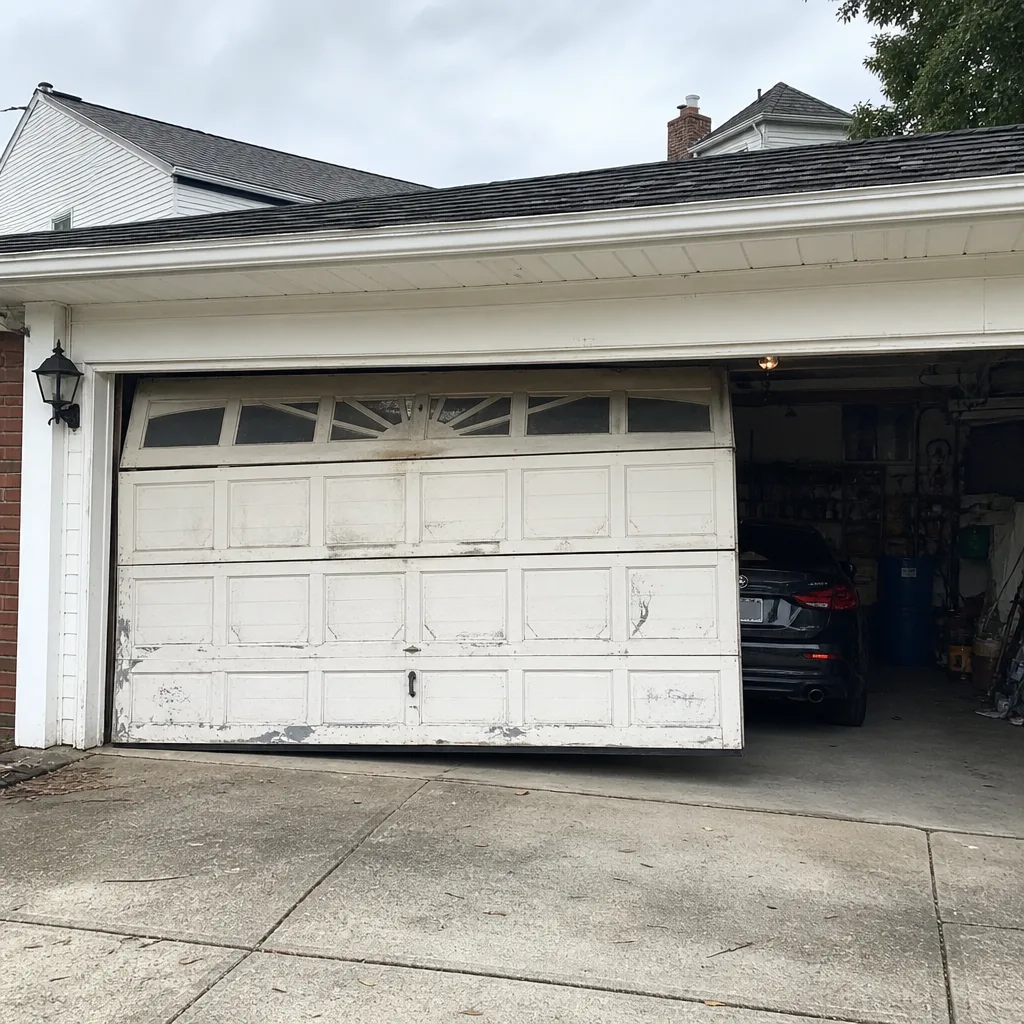 Before
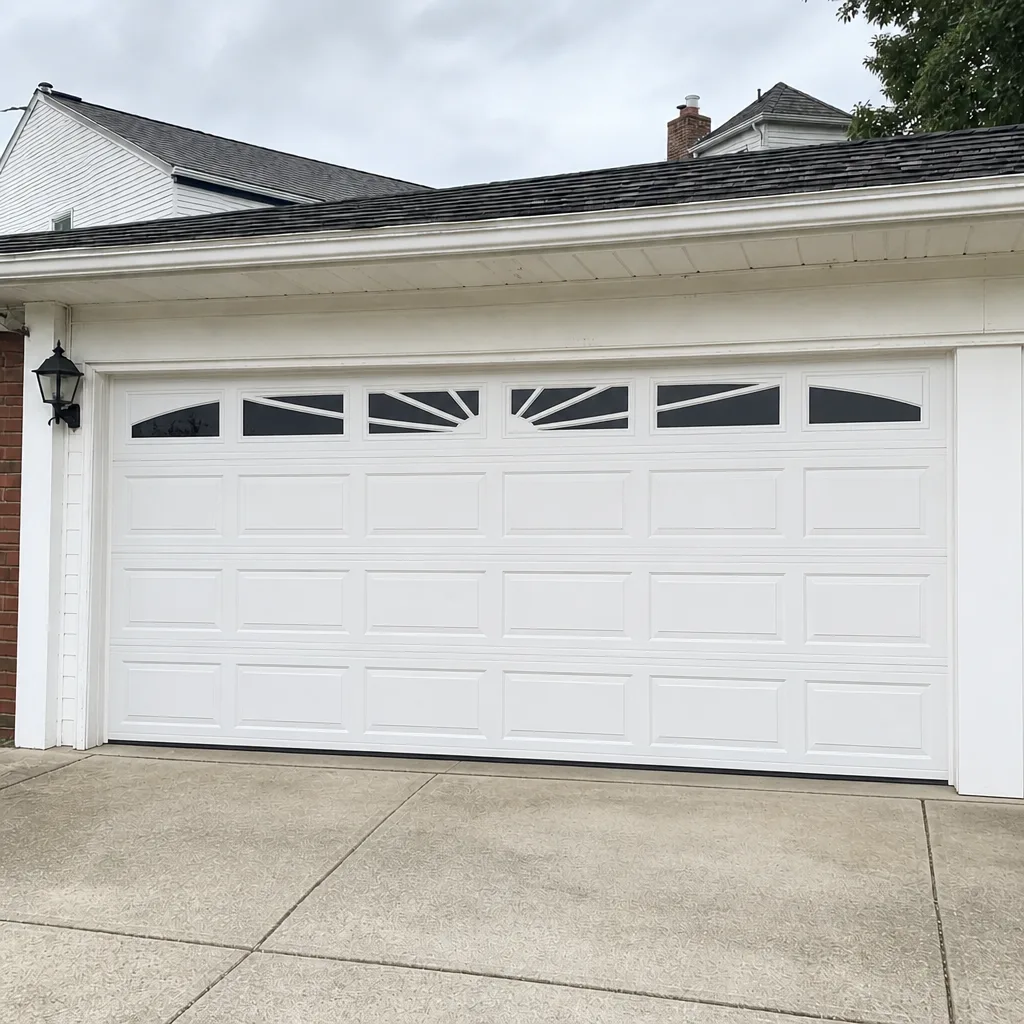 After
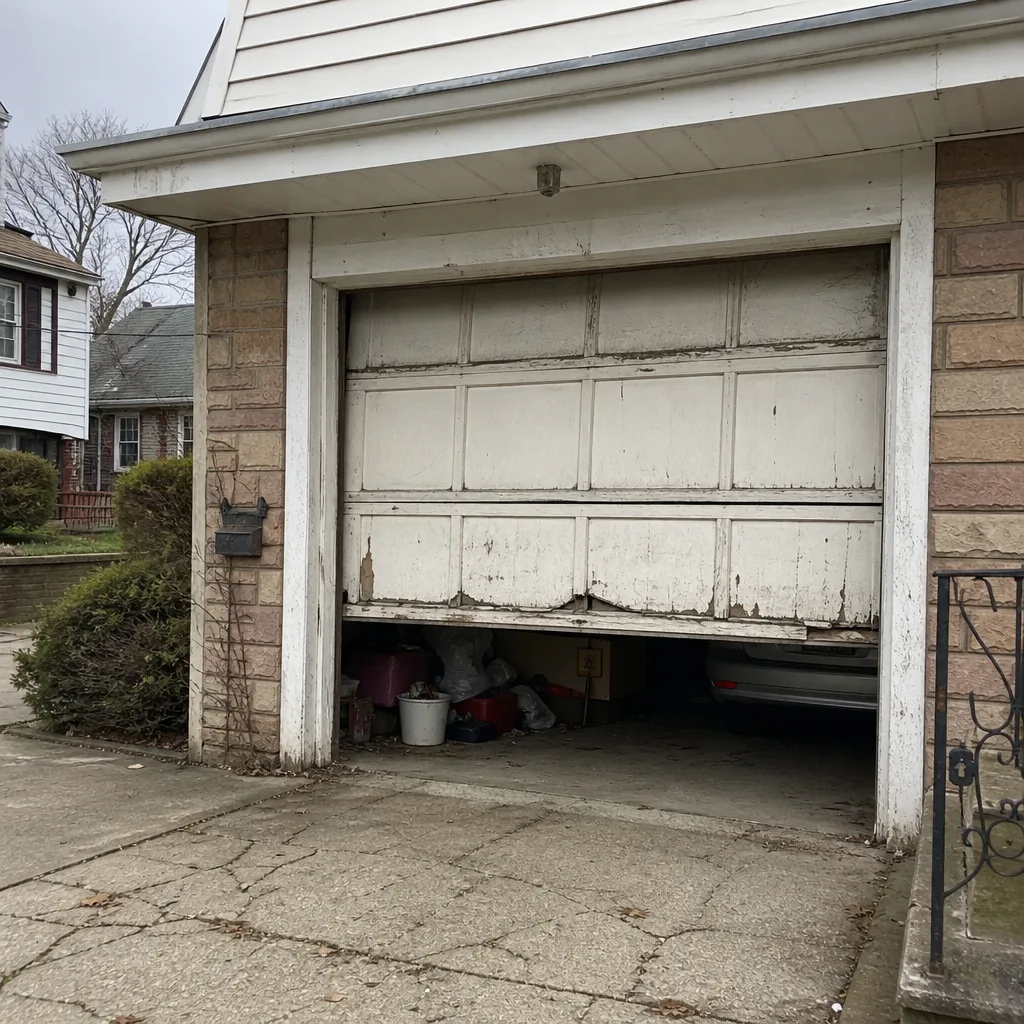 Before
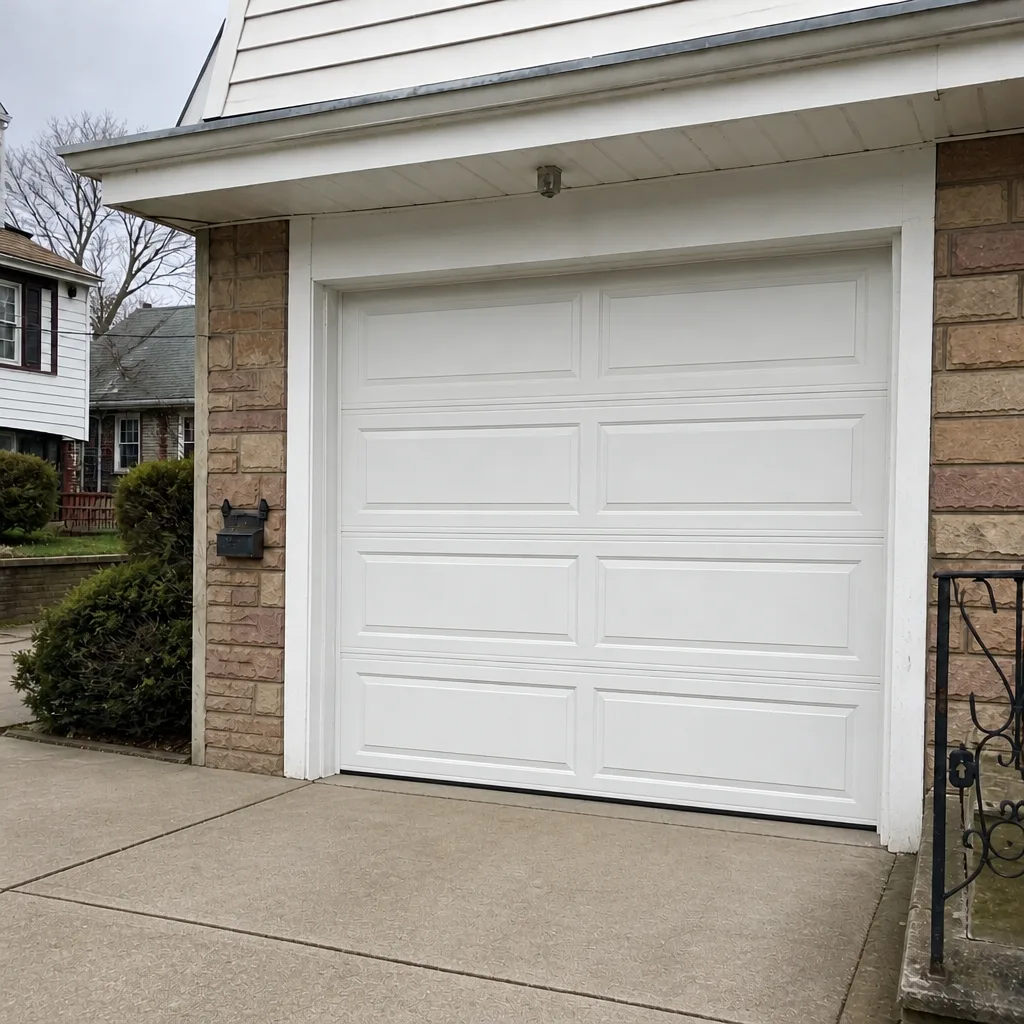 After
When to Call a Professional
Call a specialist when the issue involves a spring, a cable, or the structural alignment of the door. Off-track doors, doors that reverse for no visible reason, openers that trip the breaker, and doors that hang unevenly are all signs that a trained eye is needed. A door that won’t close and exposes your garage is a priority call. So is any door that moves roughly after a storm. Garage Door Repair Throggs Neck offers free estimates in Throggs Neck. Call (877) 792-6871. We answer 24/7, with fast dispatch from 7am to 7pm, Sunday through Friday. Our technicians have up to 11 years of experience, and we work on your brand: LiftMaster, Chamberlain, Genie, Clopay, Amarr, Wayne Dalton, Craftsman, and Raynor.
Frequently Asked Questions
Stop operating the door and keep people clear of it. Don’t try to force it open by hand; a door with a broken spring is unbalanced and can bend the track or cause injury. Secure the opening if the door is down, then call (877) 792-6871. We answer 24/7 and can dispatch fast from 7am to 7pm, Sunday through Friday.
Yes, if the door is down and moves evenly, and only with two people and the opener disengaged first. If the door is up, don’t pull the release and let it drop. If anything binds or the door moves unevenly, stop and leave it for a technician. Our spring repair specialization means we handle this safely, and we can tell you on the phone whether it’s safe to try.
Clear any obstruction and check the safety sensor alignment first, since a door that reverses is often seeing an obstruction or a misaligned sensor. If the door still won’t close, lower it manually with the opener disengaged if it travels smoothly, or block the opening temporarily. Call the same day; an open garage is a security concern in Throggs Neck.
Have the door’s condition, the door type and approximate size, the spring type if you can see it, and the opener brand and model. Also mention anything you’ve already tried, like pulling the manual release. Mentioning your brand up front lets us match the right technician and parts to your LiftMaster, Chamberlain, Genie, or Raynor opener. Call (877) 792-6871.
Only if the damage is cosmetic. A shallow dent with no change to the panel’s fit is usually fine to run until it’s repaired. A bent, creased, or separated panel can compromise the door’s structure and the opener, so don’t run it. Have a technician inspect the panel, track, and opener before operating the door again.
Yes. The local professionals we connect you with are licensed and insured as their state requires. Our technicians have up to 11 years of experience, and we handle springs, openers, and full installations. We’ll quote the job up front and agree on the price before any work starts. Call (877) 792-6871 for a free estimate.
The Bottom Line
A garage door emergency in Throggs Neck comes down to a few clear moves: stop forcing the door, secure the opening, and call with your door and opener details ready. Never pull a raised door with a broken spring, never leave a door that won’t close open overnight, and never try to replace a torsion spring yourself. Knowing your brand and model ahead of time gets the right parts on the first visit. We work on your brand, and our technicians have up to 11 years of experience with springs, openers, and full installations. Call (877) 792-6871. We answer 24/7. Fast dispatch from 7am to 7pm, Sunday through Friday. Estimates are free, and the price is set per job by the written estimate before any work begins.
Written by the team at Garage Door Repair Throggs Neck.