
Last updated November 21, 2026
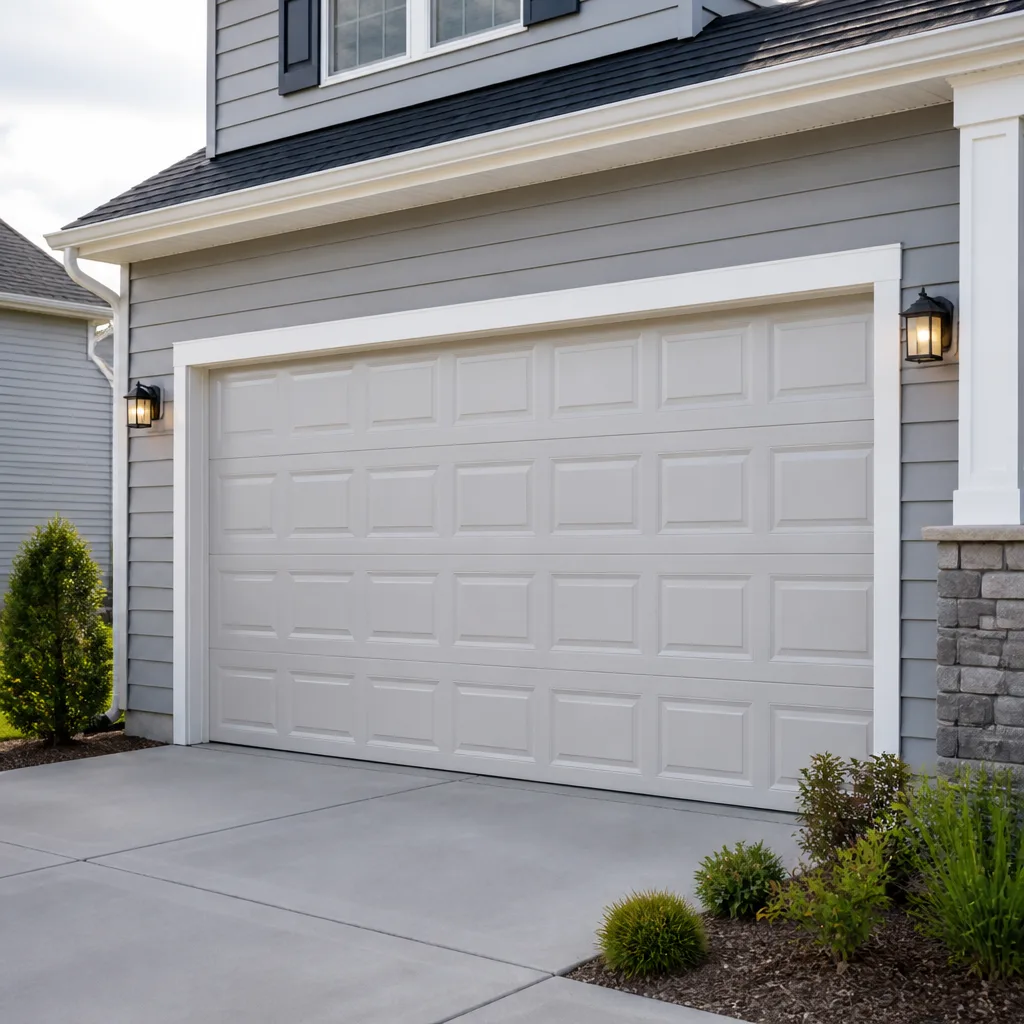 Raised-panel steel
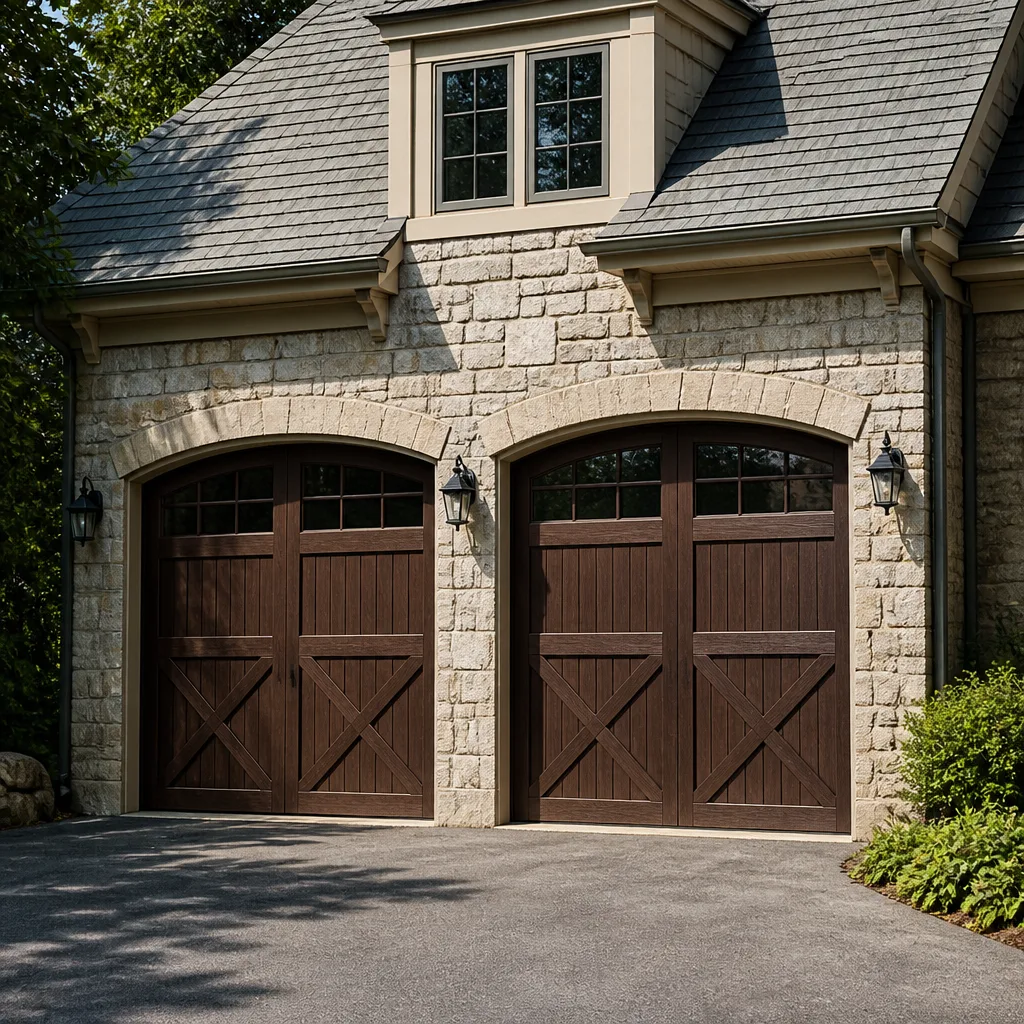 Carriage house
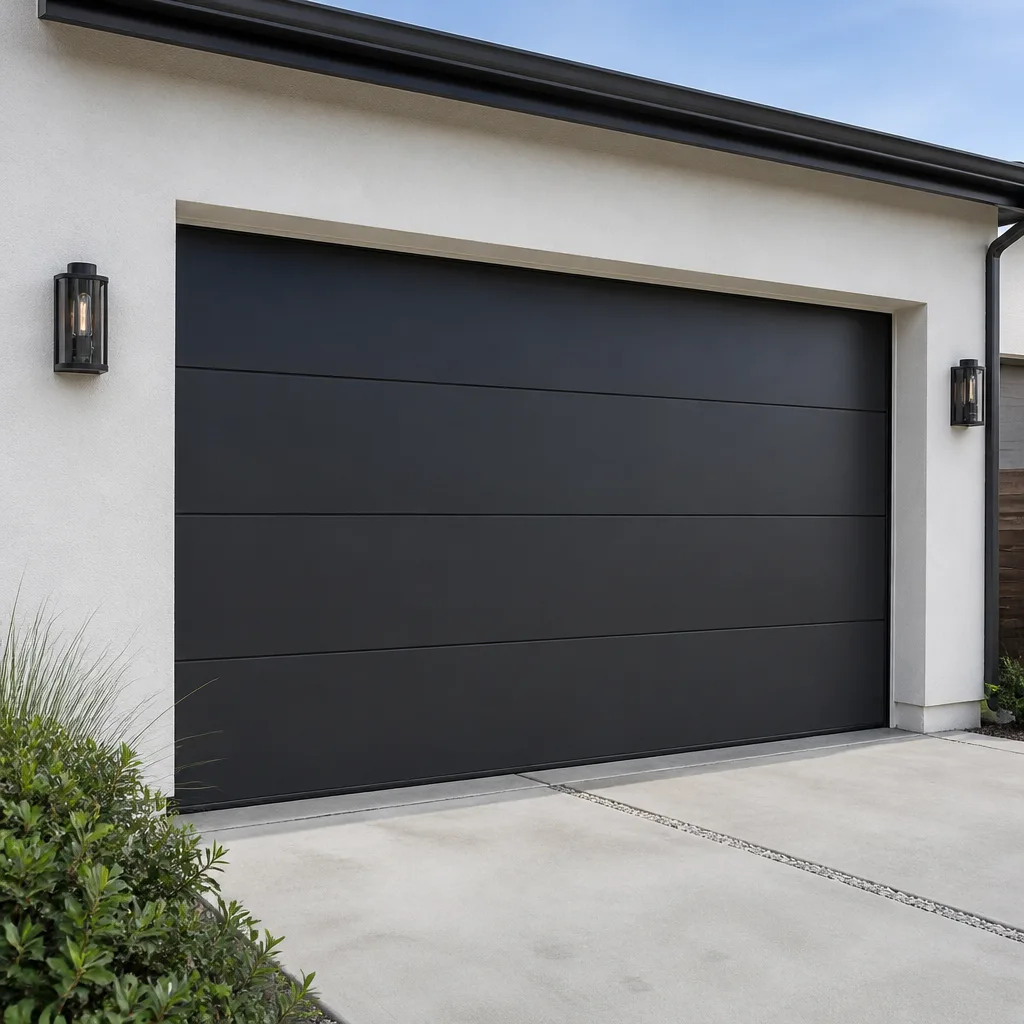 Modern flush
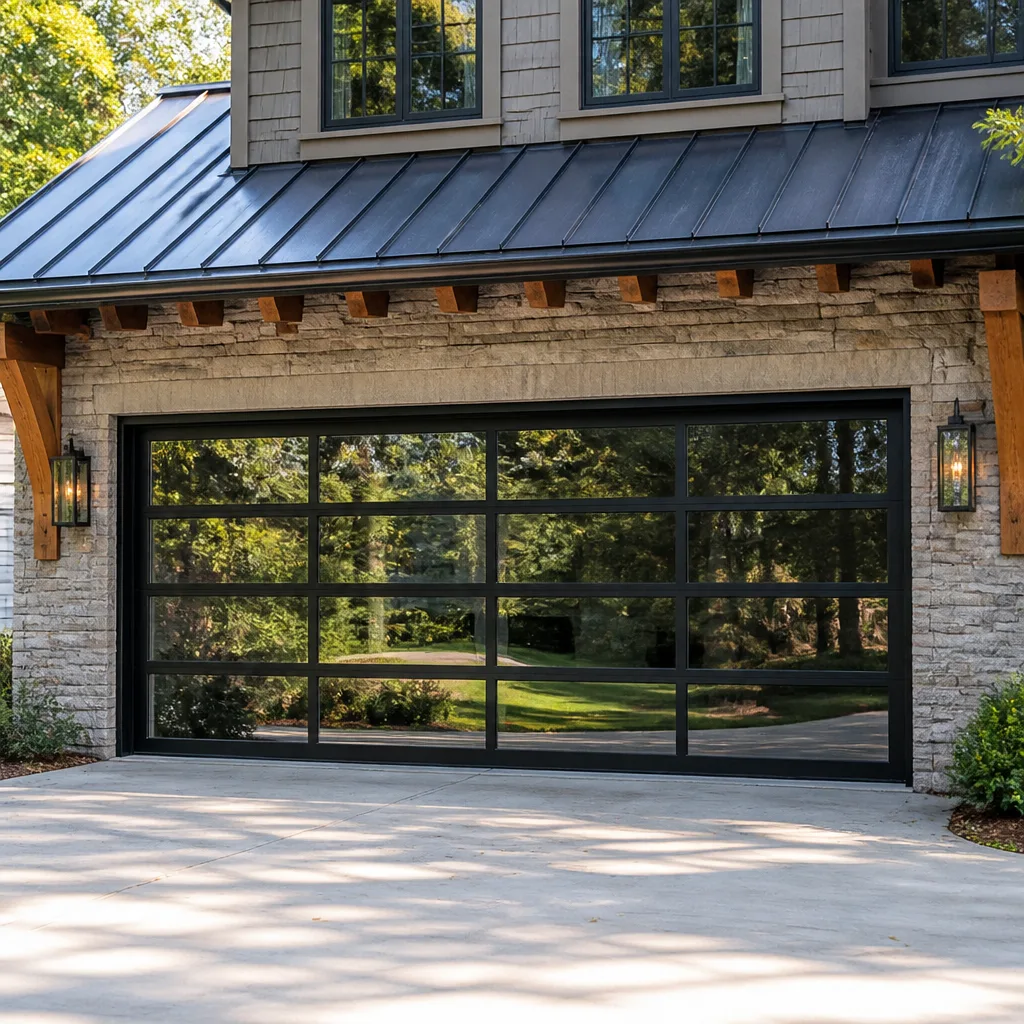 Full-view glass
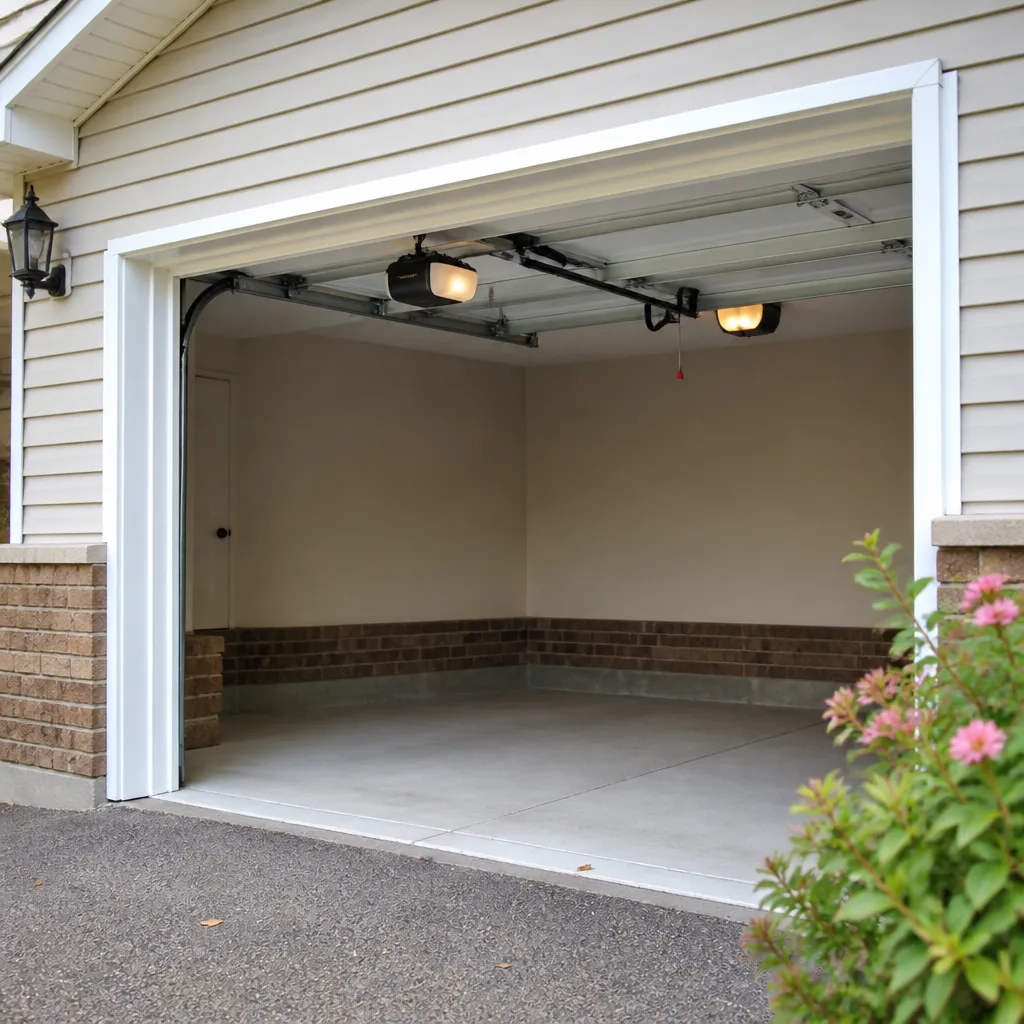 LiftMaster openers
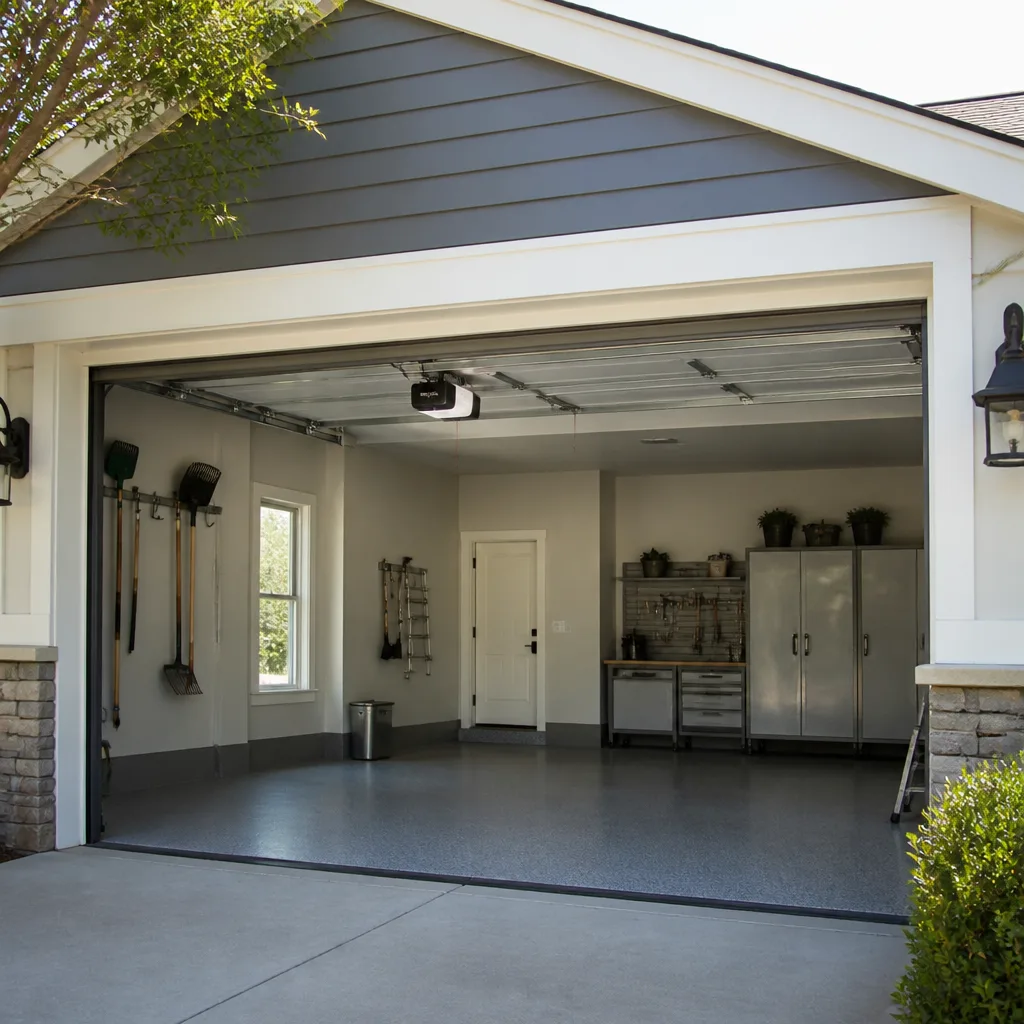 Chamberlain openers
Full 25-point door and opener safety check with every visit - springs, cables, rollers, tracks, and your LiftMaster or Chamberlain opener included
You get a price before we start. It does not change when the pro arrives.
Get your free estimateGarage Door Repair Maintenance Checklist for Throggs Neck Homeowners
Most garage doors don’t fail because of one dramatic mechanical breakdown. They fail because three small maintenance steps got skipped for about 18 months, and each of those steps takes under 10 minutes. In our experience working on doors across Throggs Neck, the spring that snaps on a cold morning, the door that jams halfway down, the opener that grinds and quits – all of them usually had warning signs that were easy to catch and cheap to fix before they turned into a Saturday breakdown. This guide walks through the inspection and maintenance schedule we’d recommend for a typical Throggs Neck home, from lubrication intervals on torsion springs to the specific sounds and resistance levels that tell you a spring is weeks away from failure.
Quick Answer
A solid garage door maintenance routine means lubricating springs, rollers, and hinges every 6 to 12 months, inspecting cables and the bottom seal visually each season, checking track alignment and weatherstripping every fall, and listening for grinding, popping, or uneven travel that signals a component is wearing out. In Throggs Neck’s climate – cold winters, humid summers, and homes that are often many decades old – the priority is usually springs, cables, and seals, and anything involving tensioned springs or cables should go to a trained technician.
Styles & brands we work with
- Raised-panel steel
- Carriage house
- Modern flush
- Full-view glass
- LiftMaster openers
- Chamberlain openers
Table of Contents
- Why Throggs Neck Doors Need Their Own Checklist
- Lubrication Schedule for Springs and Rollers
- How to Visually Test Cables and the Bottom Seal
- Sounds and Resistance That Mean a Spring Is Failing
- Fall Weatherstripping Inspection
- Track Alignment: What You Can Check and What You Can’t
- Opener Maintenance by Brand
- A Seasonal Maintenance Calendar
Why Throggs Neck Doors Need Their Own Checklist
A maintenance checklist written for a new-build subdivision in a mild climate doesn’t map cleanly onto a Throggs Neck garage door. The housing stock here skews older – plenty of homes were built in the mid-20th century or earlier – and that shapes which failure points matter most. Older springs have often been through more cycles. Older doors may have cables or rollers that were replaced once already, sometimes with mismatched parts. And the local weather swings hard: cold winters that stiffen grease and stress springs, humid summers that speed up seal deterioration, and freeze-thaw cycles that work on the concrete at the door’s base.
That combination changes your priorities. A homeowner in a newer house might get away with a once-a-year look. In Throggs Neck, we lean toward twice-a-year lubrication for anything exposed to heavy seasonal temperature swings, and a real fall inspection before the first hard freeze.
Here’s how the general priorities stack up for a typical Throggs Neck home:
- Springs and cables – highest risk, highest consequence, inspect every season.
- Bottom seal and weatherstripping – fails fastest in humidity and freeze-thaw, inspect in fall.
- Rollers and hinges – wear gradually, lubricate every 6 to 12 months.
- Tracks – rarely fail on their own, but get knocked out of alignment.
- Opener and safety sensors – check operation monthly, service when it acts up.
If your door is already showing signs of a problem rather than just ordinary wear, our garage door repair service handles everything from a single failed component to a door that’s stopped moving altogether.
Lubrication Schedule for Springs and Rollers
Lubrication is the single highest-return maintenance step on a garage door, and it’s also the one most homeowners skip entirely. A dry torsion spring, a dry roller bearing, or a dry hinge will wear faster and make more noise. The fix is a small amount of the right lubricant, applied on a schedule.
A general schedule that works well for Throggs Neck homes:
- Every 6 months – apply a garage-door-specific lubricant to torsion springs, the roller bearings, and the hinge pivot points. Spring and fall are good anchor points.
- Every 12 months – lubricate the opener’s drive chain or screw (never the belt), and inspect the weatherstripping while you’re at it.
- Whenever the door gets noisy – a squeak or grind that starts suddenly is a prompt to lubricate and then listen again.
Use a lubricant made for garage doors – a lithium or silicone-based spray is the usual choice. Avoid WD-40 as a long-term lubricant; it’s a cleaner, and it leaves rollers and springs drier than they started. Wipe away old grease and grit before you apply new lubricant, especially in the winter when grit and road film collect on the lower tracks.
Porch-side rollers and hinges take the most punishment, so pay extra attention there. Anything that pivots should get a small drop; anything that rolls should get a light coating on the bearing, not the wheel face. If you’re not sure what a particular component needs, ask a technician on your next service visit – a quick walkthrough during a routine repair is a good time to get it clarified.
Here’s the part that matters most: never try to lubricate or service a torsion spring while it’s under tension. That’s covered in more detail further down, but it belongs here too. Lubrication on the spring is a spray-from-a-distance task. Anything that involves loosening, adjusting, or removing the spring belongs to a trained specialist.
How to Visually Test Cables and the Bottom Seal
You can check the two most failure-prone wear items on your door without special tools, and you can do it in a couple of minutes with the door closed and then partially open. The goal is a visual and feel check, not a repair.
For the cables – the steel cables that run along each side of the door and connect to the bottom corner brackets – look for:
- Fraying or broken strands – a healthy cable is smooth; a failing one shows individual wires separating.
- Kinks or sharp bends – a cable shouldn’t have a bend that doesn’t spring back straight.
- Rust or heavy discoloration – a sign the cable has been wet and is weakening.
- Visible slack – cables should feel evenly tensioned on both sides when the door is closed.
Any of these means stop operating the door and call a technician. Never reach into or try to re-seat a cable by hand. Cables carry the full tension of the door and a live one can cause serious injury.
For the bottom seal – the rubber strip at the very bottom of the door – check these points each season:
- Cracks and brittleness – squeeze it lightly; a healthy seal flexes, an old one cracks or feels hard.
- Gaps against the floor – with the door closed, look for light coming under it.
- Loose or missing sections – anything separating from the door needs to be reattached or replaced.
- Water pooling inside after rain – a sign the seal is no longer doing its job.
In Throggs Neck, freeze-thaw cycles are hard on the seal and the concrete threshold both. A seal that holds fine in summer can crack through the first cold snap, so a fall check catches it before winter.
Sounds and Resistance That Mean a Spring Is Failing
Garage door springs don’t usually fail without warning. They give you a series of signals over the weeks and months before they let go, and if you know what to listen for, you can often catch a failing spring before it strands you. In our experience, a spring within about 60 days of failure usually shows at least two of the following signs:
- A sharp bang or pop from the garage, even when no one is home – a classic warning shot, though a full break is even louder.
- Grinding, scraping, or a metallic hum during operation, especially on the first cycle after the door has been closed overnight.
- Uneven travel – the door lurches, hesitates, or comes down faster on one side.
- Visible gap in a torsion spring – if you can see daylight through the coils of the spring above the door, that spring is broken or about to be.
- The door suddenly feels much heavier when you lift it by hand (with the opener disconnected).
- The door won’t stay fully open – it drifts back down after you raise it.
A note on which type you may have. Torsion springs sit on a metal shaft above the door. Extension springs run along the horizontal tracks on either side. Torsion springs are more common on newer and heavier doors; extension springs show up on many older Throggs Neck installations. Both are dangerous. The spring repair we perform as a dedicated service covers both types, and we treat each as safety-critical.
Resistance is the other tell. If the door pulls noticeably harder than it did a month ago, or the opener strains audibly on its first few inches of travel, you’re likely feeling a spring that’s lost some of its lift. Don’t wait for the break. A spring that’s caught in the failing stage can be replaced on your schedule, not the morning your car is trapped inside. Our technicians have up to 11 years of experience and know exactly how much resistance is normal for a given door weight and size.
One firm rule: do not try to fix, adjust, or relieve tension on a garage door spring yourself, whether torsion or extension. These are under extreme tension, and a release can cause severe injury. If you suspect a spring problem, call us at (877) 792-6871 and we’ll take it from there.
Fall Weatherstripping Inspection
If your garage sits under living space, or you use it as a thermal buffer between the outside and the rest of the house, a fall weatherstripping inspection isn’t optional. It’s the difference between a cold garage that stays manageable and one that pulls cold air into the house all winter while your heating bill climbs.
The weatherstripping is the flexible material around the door’s perimeter – bottom seal, side jambs, and top header seal. Its job is to close the gap between the door and the frame. Over time it flattens, cracks, and pulls away, and the failure is usually invisible until you’re standing in a draft.
A good fall check covers:
- Head up and check the top seal – a header seal that’s drooping or torn lets cold air down over the whole door.
- Run a hand along both jambs – the side seals should compress slightly against the door; if they feel flat or brittle, they’re done.
- Look for light under the closed door – visible daylight means the bottom seal is not making contact.
- Check the corners – that’s where seals fail first, because the door moves most there.
- Feel the inside face of the door – condensation or a cold sweat on the inside is a sign the door assembly is leaking air.
Replacing weatherstripping is a repair we handle regularly, and it’s a good pairing with any fall tune-up. If we’re already out to sort a noisy roller or a slow opener, it makes sense to address the seals in the same visit. The same logic applies to the door’s overall condition: if the fall inspection turns up more problems than are worth fixing on an old door, our garage door installation service can walk you through whether a repair or a replacement makes more sense for your home.
Track Alignment: What You Can Check and What You Can’t
Track problems are one of the most common calls we get, and they’re also the ones where homeowners can accidentally make things worse by trying to force a fix. The trick is knowing which checks you can safely do yourself and which ones need a technician.
What you can check yourself:
- Visual straightness – step back and look along each vertical track; it should be a straight line top to bottom.
- Even gap on both sides – with the door closed, the space between the door and the track should look the same on the left and right.
- Loose bolts you can reach with a wrench – track brackets and roller hinges can loosen over time; snugging a loose bolt is fine.
- Debris in the track – small stones, grit, or bits of old seal material can block the rollers; a soft brush clears them.
- Rollers staying in the track – if a roller is popping out of the track during travel, stop operating the door.
What needs a technician:
- Bending a track back into shape – the wrong amount of pressure either doesn’t fix it or makes it worse.
- Adjusting track brackets – moving the brackets changes the door’s geometry and can cause rollers to bind or the door to come off track.
- Replacing bent or kinked track sections – the hardware must match the door.
- Any track problem combined with a spring or cable issue – the two have to be fixed together.
If the door is jammed, dragging, or off track, don’t force it. Our Garage Door Repair Throggs Neck team handles track repairs, and we’ll also tell you when a track problem is really a symptom of something else like a failing spring or a loose hinge. If your opener has started running but the door won’t move, that may be neither the track nor the spring – it could be a control-board or safety-sensor fault, which is what a garage door opener repair visit is for.
Opener Maintenance by Brand
Your opener needs maintenance too, but not the kind that most generic checklists mention. The specific maintenance points shift depending on the brand, because the drive system, control board, and safety sensor behavior differ from one manufacturer to the next.
If your opener is a LiftMaster or Chamberlain, the drive is often a belt or chain, and the safety sensors are usually the reverse-sensor type that sits at the bottom corners of the track. Belt drives are quieter but need periodic tension checks; chain drives need lubrication and can stretch over time. Sensor alignment is the usual culprit behind a door that reverses immediately after closing. Craftsman openers use similar drive systems in many iterations, but the control boards and remotes aren’t interchangeable across generations, which is why knowing the specific model matters. If your opener is a Genie, the chain or belt and the safety-beam setup have their own quirks – especially on older units with the older sensor style.
We work on all of these brands. Our technicians have up to 11 years of experience across the major makes, including Craftsman, Raynor, LiftMaster, and Chamberlain, so we’re not guessing at the control board or the drive type when we open the unit.
A few opener maintenance points to check on any brand:
- Test the safety reverse monthly – place a roll of paper towels or a small box under the door and close it. It should reverse on contact.
- Listen to the drive – grinding or a repeated pattern of starting and stopping can point to a failing gear or board.
- Check the force settings – if the door feels stiff, don’t dial up the force to compensate. Fix the door, not the opener.
- Lubricate the chain, not the belt – belt drives should never be greased.
- Replace remote batteries on a schedule – every couple of years, or at the first sign of range dropping.
If your opener has failed or is acting unpredictably, our emergency garage door service is built for exactly this. When it happens, we’re ready – the phones are answered 24/7, and we dispatch crews fast from 7am to 7pm, Sunday through Friday (we’re closed Saturday).
A Seasonal Maintenance Calendar
The easiest way to keep the checklist from slipping is to tie it to the seasons. Here’s how the year breaks down for a typical Throggs Neck home:
- Spring (April – May) – full lubrication of springs, rollers, and hinges. Test the safety reverse. Clear grit from the tracks.
- Early summer (June) – check the bottom seal after a wet spring. Look for rust or discoloration on cables.
- Late summer (August) – listen for new noises; address any squeak or grind before cold weather sets in.
- Fall (September – October) – full weatherstripping check, seal replacement if needed, second lubrication pass. Tighten any reachable bolts.
- Early winter (November) – final visual check of cables and spring condition. Test the door’s resistance by hand (with the opener disengaged).
- Winter (December – March) – listen for grinding or uneven travel. Call if the door suddenly feels heavy.
If you’d rather not track this yourself, a single service visit in the fall can cover most of the checklist, and a spring visit covers the rest. Paired together, two service visits a year keep the door ahead of the season.
Common Mistakes to Avoid
- Lubricating the spring while it’s under tension, or worse, trying to service it. Lubrication is a spray-from-a-distance task only. Any adjustment, loosening, or removal of the spring must go to a technician. Springs are under extreme tension and a DIY slip can cause severe injury.
- Skipping the fall weatherstripping check. Throggs Neck winters are hard on seals and freeze-thaw cycles crack them quickly. A fall inspection catches it before the cold air gets in, not after.
- Pushing a door off-track back into place by hand. This is the single fastest way to bend a track or strip a roller, and it can put the door on top of you. Stop operating it and call.
- Turning up the opener force to compensate for a stiff door. The opener is not the problem – the door is. Dialing up the force strains the opener and hides the real fault until something breaks.
- Using WD-40 as a long-term lubricant. It’s a cleaner, not a garage-door lubricant. Rollers and springs end up drier than they started and wear faster.
- Ignoring a door that suddenly feels heavy. A door that went from easy to hard to lift is usually a spring that’s within weeks of failure. That’s exactly the moment to book a technician, not the morning it snaps.
- Assuming a noisy door “just does that.” Squeaks, pops, and grinding are wear signals, not personality. In our experience, they get cheaper to fix the sooner they’re caught.
See the difference
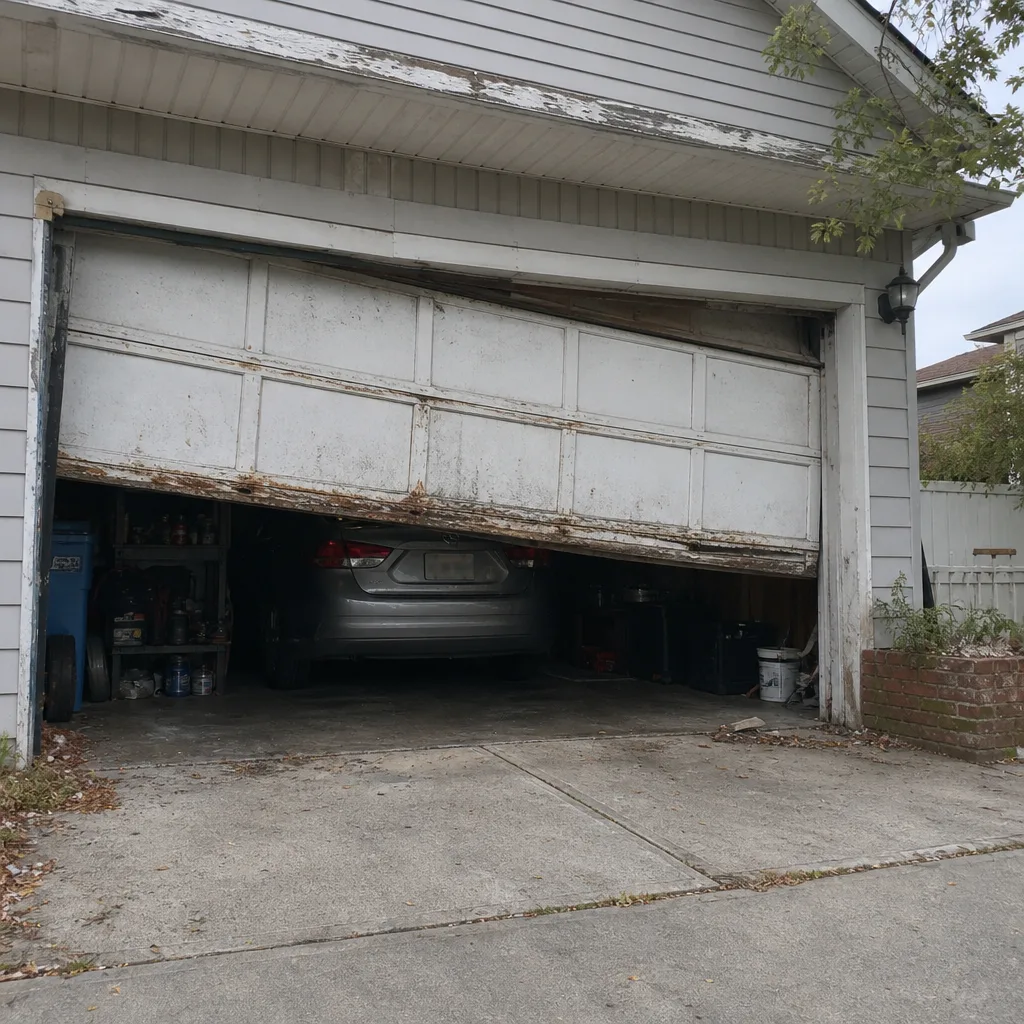 Before
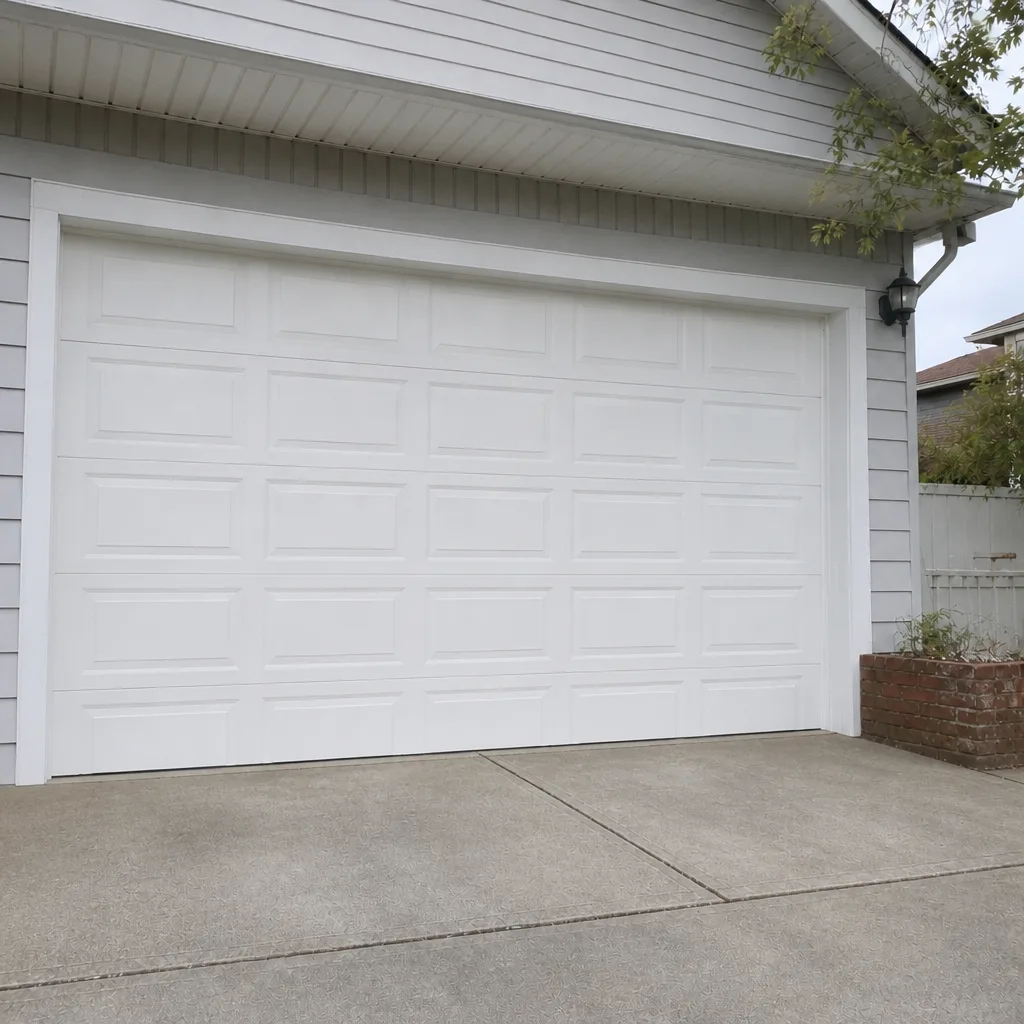 After
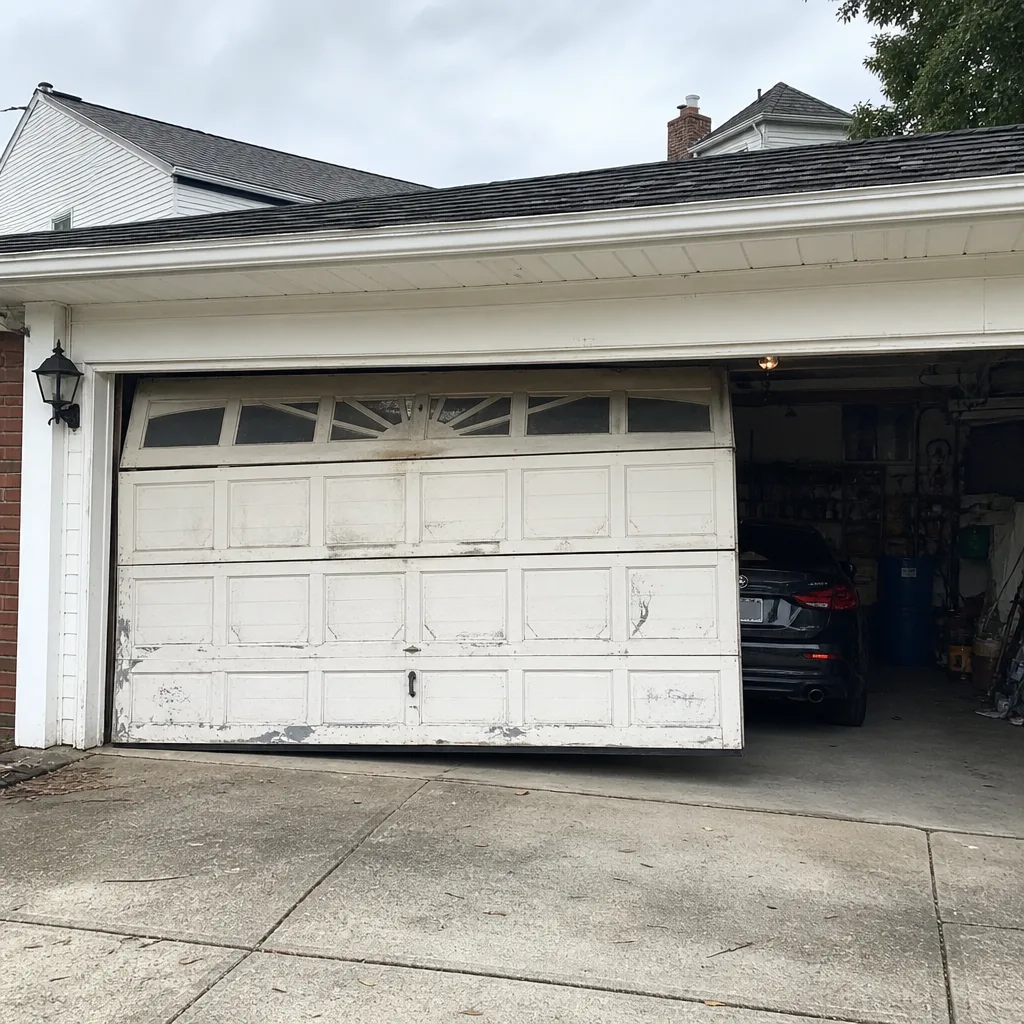 Before
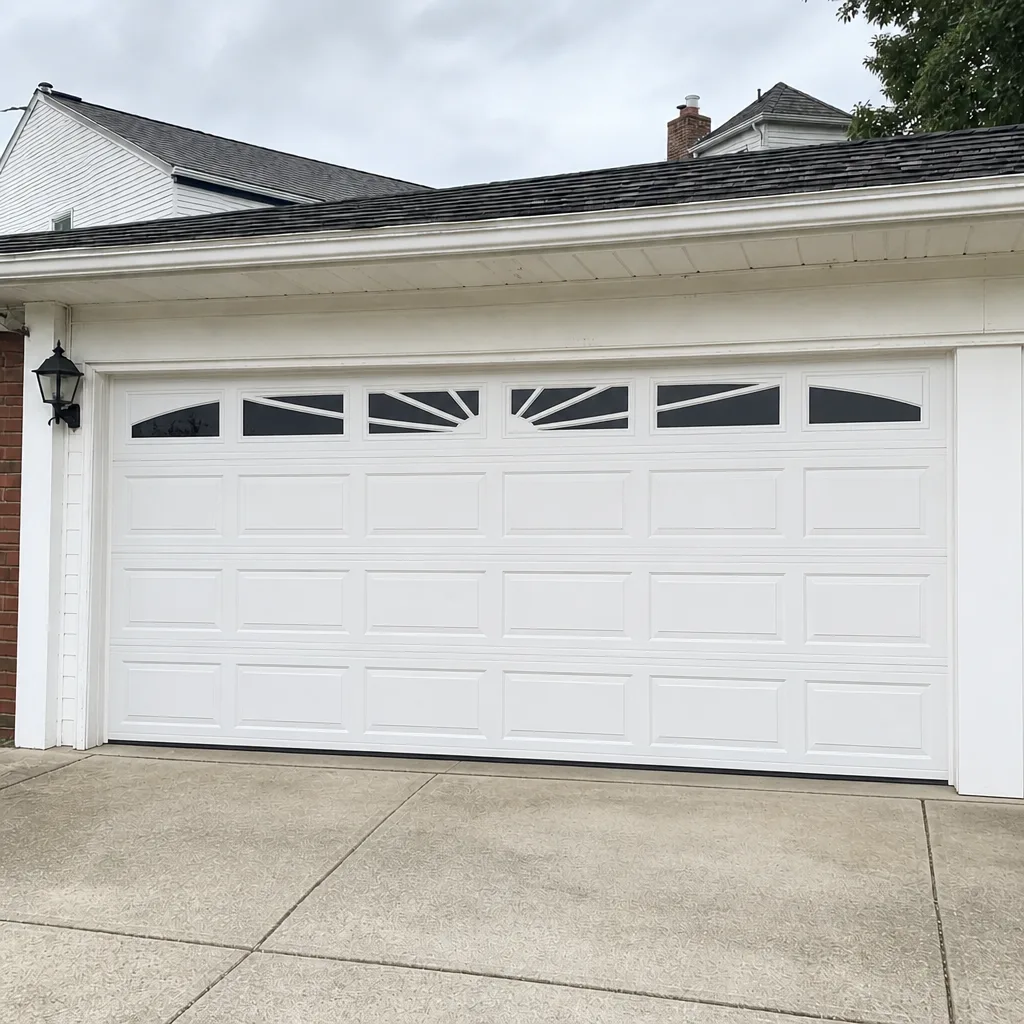 After
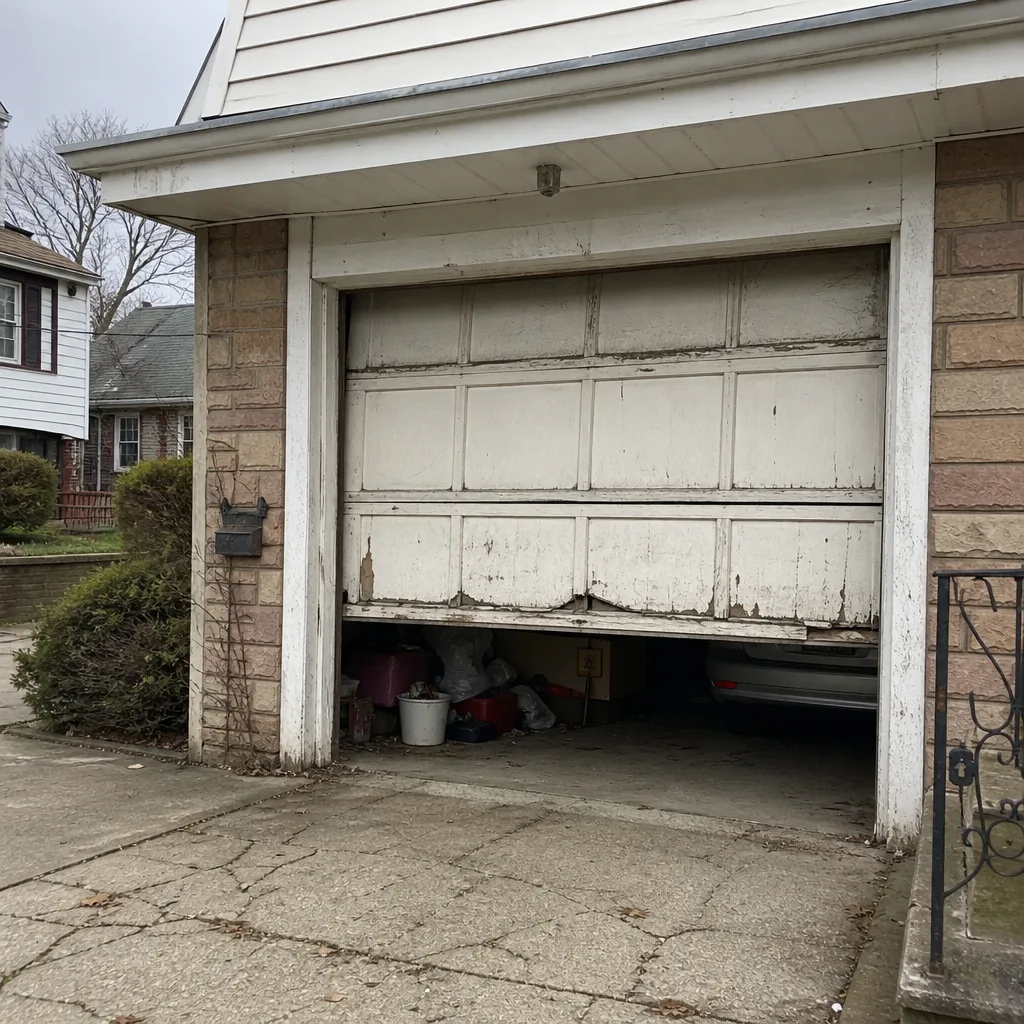 Before
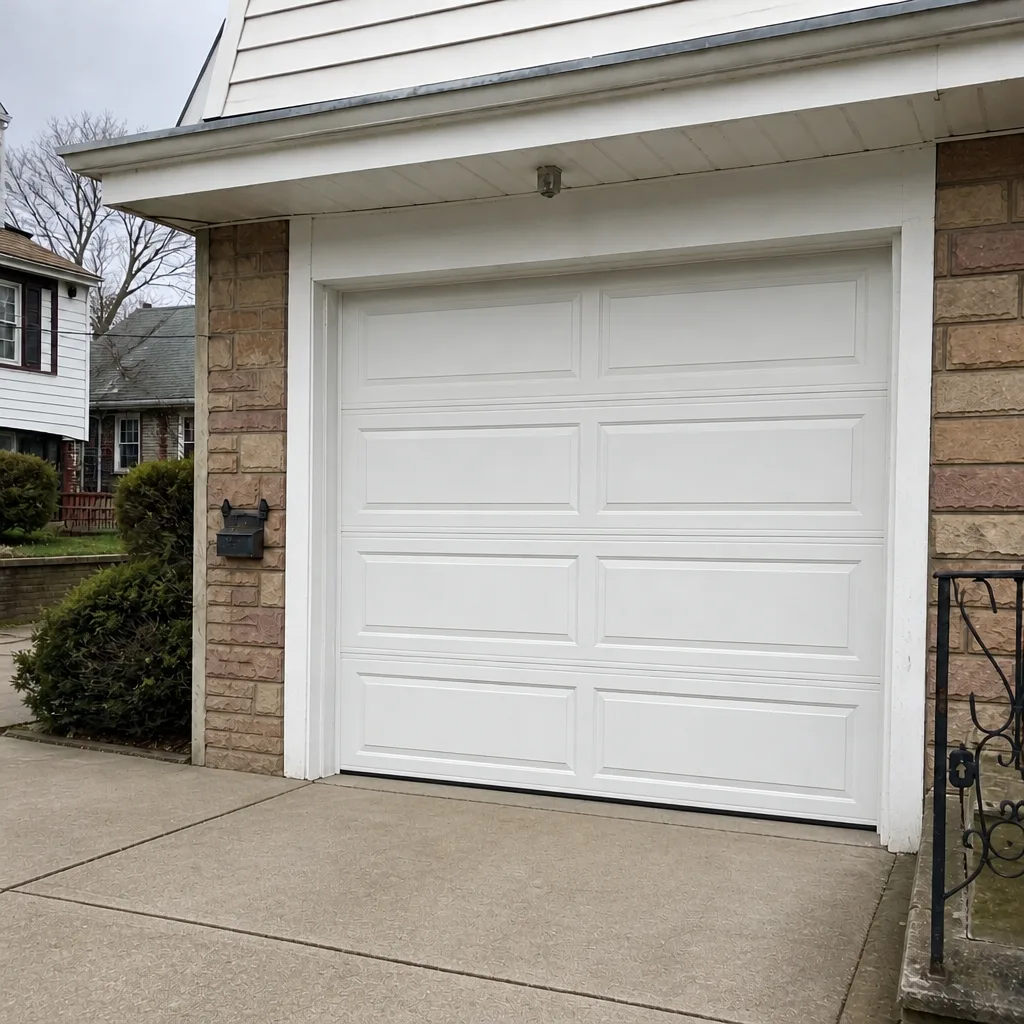 After
When to Call a Professional
Some maintenance you can handle yourself. Some is fine to defer to a scheduled visit. And some needs a technician as soon as possible, no waiting. The clear calls are broken or sagging springs, frayed or kinked cables, a door that won’t stay up or won’t stay straight, visible track damage, a jammed door, and any opener failure that leaves the door stuck. A single popped spring means the door has lost its lift on one side, and operating it will overload the other side, so stop using it until a technician has fixed it.
Technician territory also covers anything where the door’s geometry needs adjusting: track bracket changes, hinge replacement, and anything involving the opener’s internal drive or control board. Our experience across the major brands – Craftsman, Raynor, LiftMaster, Chamberlain, and others – means a technician arrives already knowing how the unit works, not learning it on your driveway.
Garage Door Repair Throggs Neck offers free estimates in Throggs Neck – call (877) 792-6871. We answer 24/7, with fast dispatch from 7am to 7pm, Sunday through Friday.
Frequently Asked Questions
Every 6 to 12 months, and we lean toward twice a year for Throggs Neck homes because of the temperature swings. Lubricate torsion springs, roller bearings, and hinge pivots with a garage-door-specific lubricant in spring and fall. If the door suddenly gets noisy, lubricate and listen again – the noise is the signal.
A sharp bang, grinding or scraping during operation, uneven travel, and the door pulling much harder than usual are all signs a spring is within roughly 60 days of failure. A visible gap in the coils of a torsion spring means it’s already broken. Stop operating the door and call (877) 792-6871 for a same-day visit.
Yes, visually – look for fraying or kinks in the cables and cracks or gaps in the bottom seal. Don’t touch a slack or damaged cable by hand; treat any cable issue as an immediate call. Replacing the seal and replacing a cable are both technician work.
Yes, in two ways: lubricate more frequently, and inspect weatherstripping in fall before the first freeze. Freeze-thaw cycles are hard on seals and the concrete threshold. Catching a crack in October is much cheaper than replacing a whole seal in January.
A door that slowly gets heavier usually means a spring is losing lift. Do not compensate by raising the opener’s force setting or forcing the door. That hides the problem and strains the opener. Have a technician inspect the spring – replacement or adjustment will restore the door’s proper feel, and a technician can confirm whether both springs should be replaced together as a matched pair.
Stop operating it, don’t force it back into place, and call (877) 792-6871. A track problem is often a symptom of a failing spring, hinge, or roller, and forcing the door can turn a small repair into a bigger one. Our emergency garage door service is available for exactly this.
We set the price per job by the written estimate, and the estimate is free. The exact cost depends on the components involved – a lubrication and tune-up visit, a spring replacement, a track alignment, or a seal replacement all differ. We quote and agree the price before any work starts, so there’s no surprise when the invoice arrives. Call (877) 792-6871 for an exact quote.
No. We quote and agree the price before any work starts, and the written estimate is the price. If we open the door and find something unexpected, we stop, explain it, and re-quote before proceeding. Call (877) 792-6871 – estimates are free.
Key Takeaways
- Lubricate springs, rollers, and hinges every 6 to 12 months.
- Visually check cables and the bottom seal every season – never handle damaged cables.
- A spring within about 60 days of failure usually gives warning signs: banging, grinding, uneven travel, or a door that’s suddenly heavy.
- Fall weatherstripping inspection isn’t optional if your garage is a thermal buffer.
- You can check track straightness and clear debris; bending the track back or adjusting brackets needs a technician.
- Never service a tensioned spring yourself. That’s a trained-specialist job.
The Bottom Line
Garage door maintenance in Throggs Neck isn’t the same as maintenance somewhere with a milder climate and newer homes. The wear points that matter most here are springs, cables, and weatherstripping, and the schedule that works is a real one: lubrication in spring and fall, a weatherstripping check before the first freeze, and a visual inspection of cables and seals every season. Catch the warning signs – the bang, the grind, the sudden heaviness – and most failures turn into scheduled repairs instead of stranded mornings. The one rule that isn’t negotiable: springs and cables are under tension and belong to a technician. Our technicians have up to 11 years of experience across the major brands, and we’re ready when you are.
Call (877) 792-6871 for a free estimate. We answer 24/7. Fast dispatch from 7am to 7pm, Sunday through Friday.
Written by the team at Garage Door Repair Throggs Neck.