
Last updated November 21, 2026
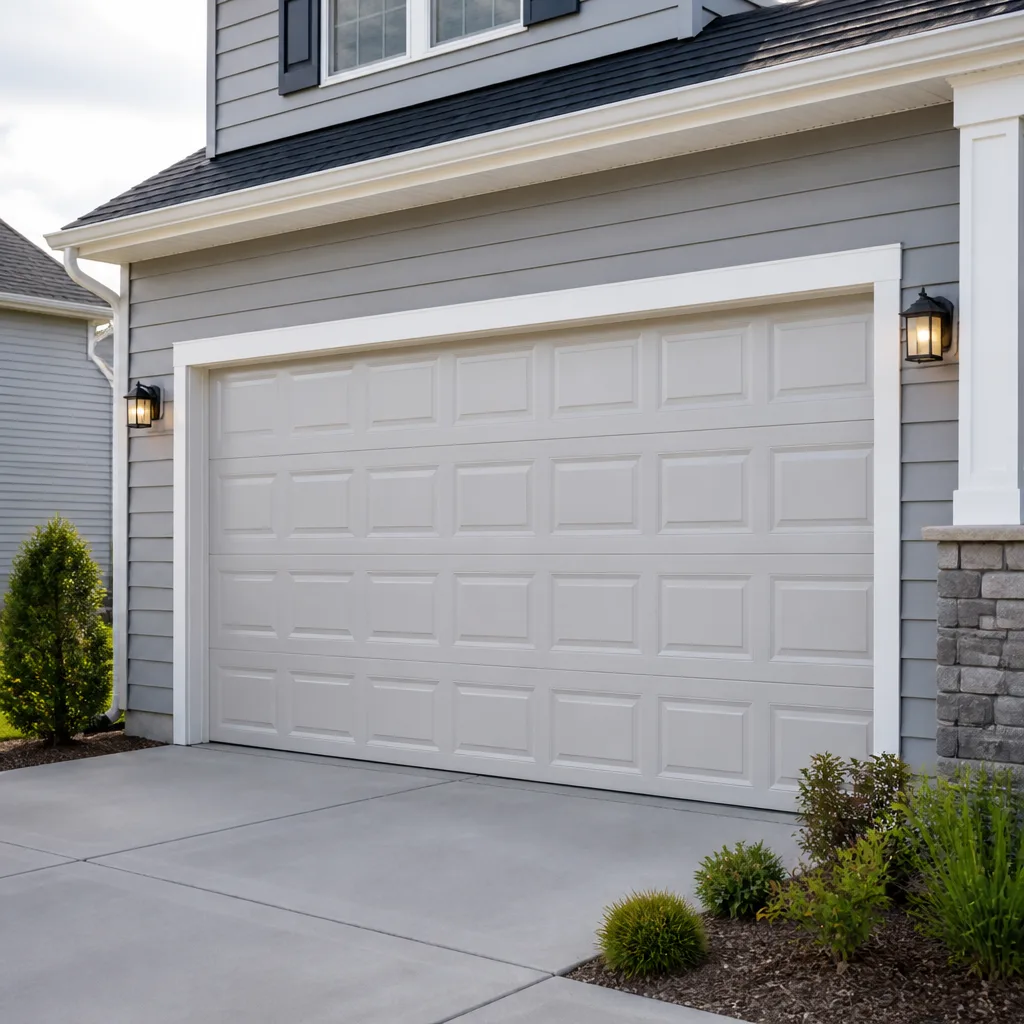 Raised-panel steel
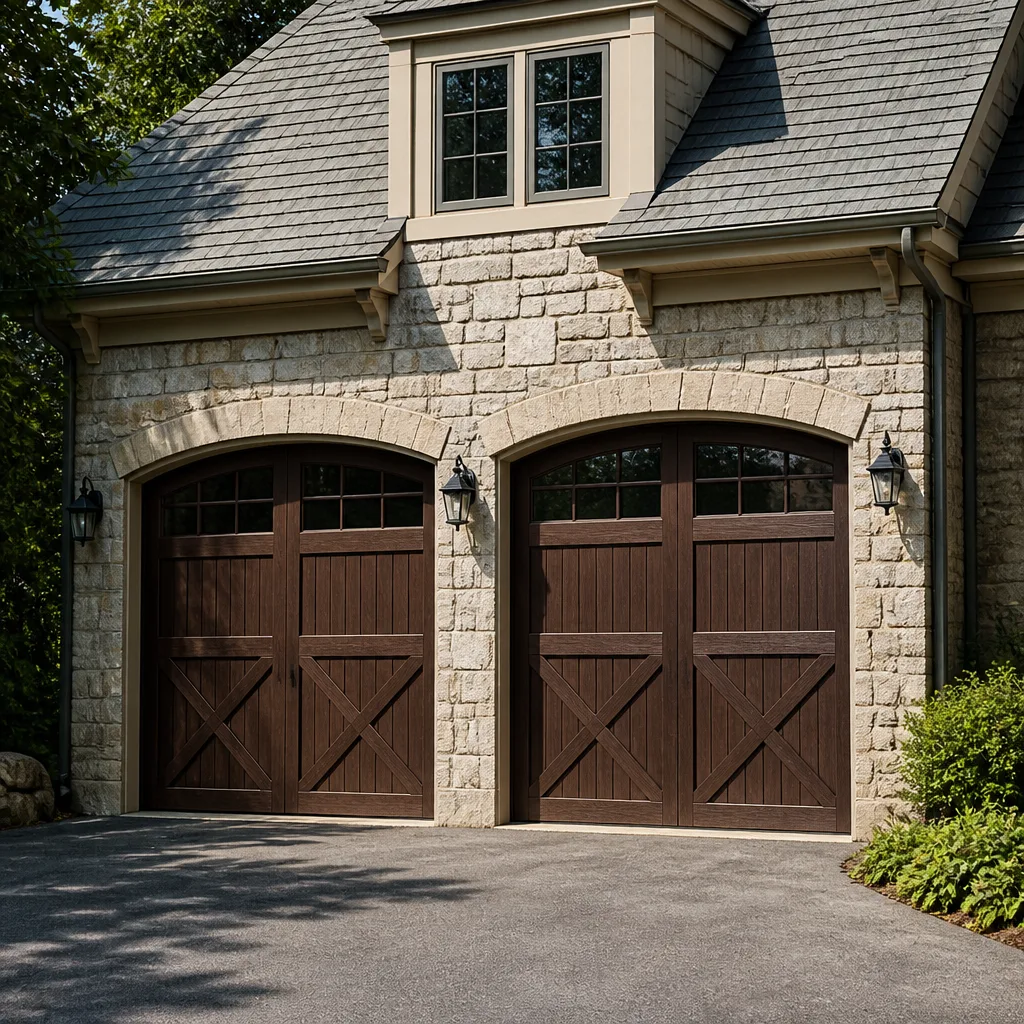 Carriage house
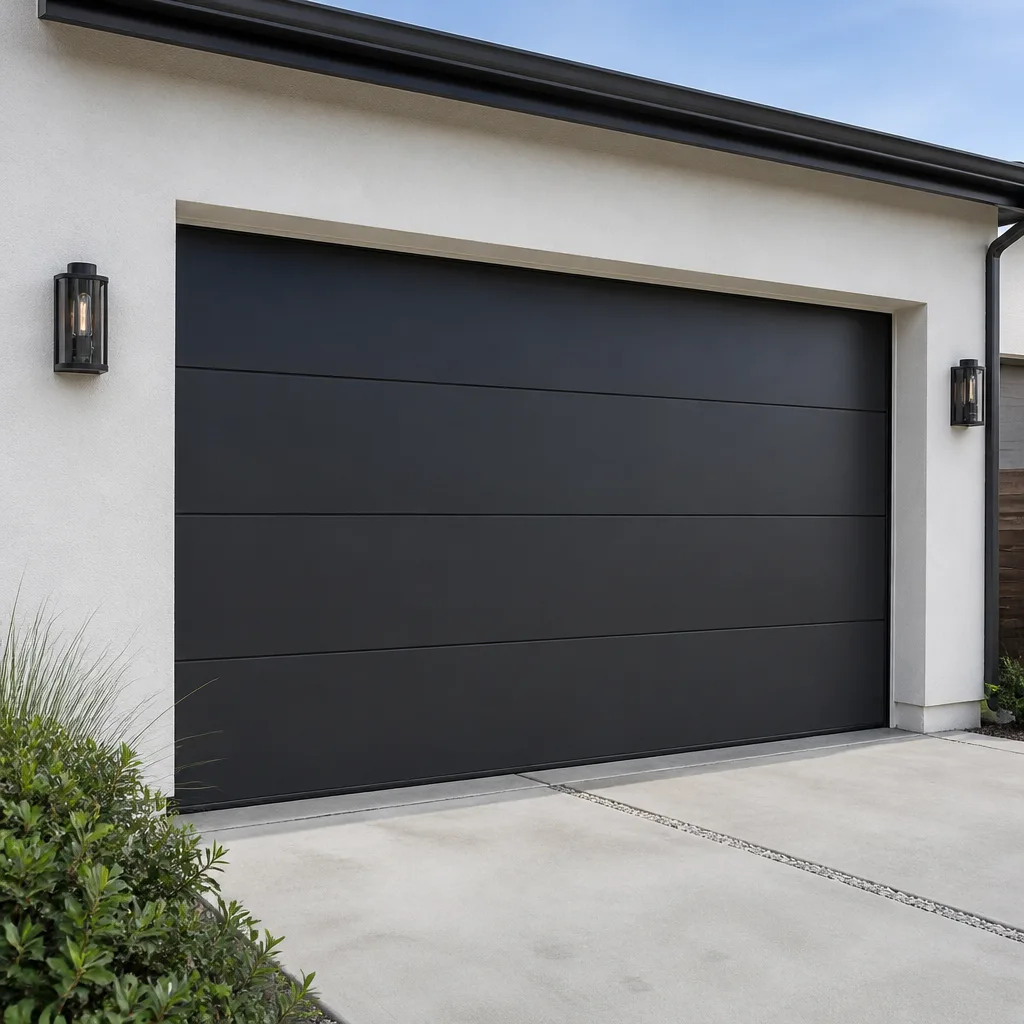 Modern flush
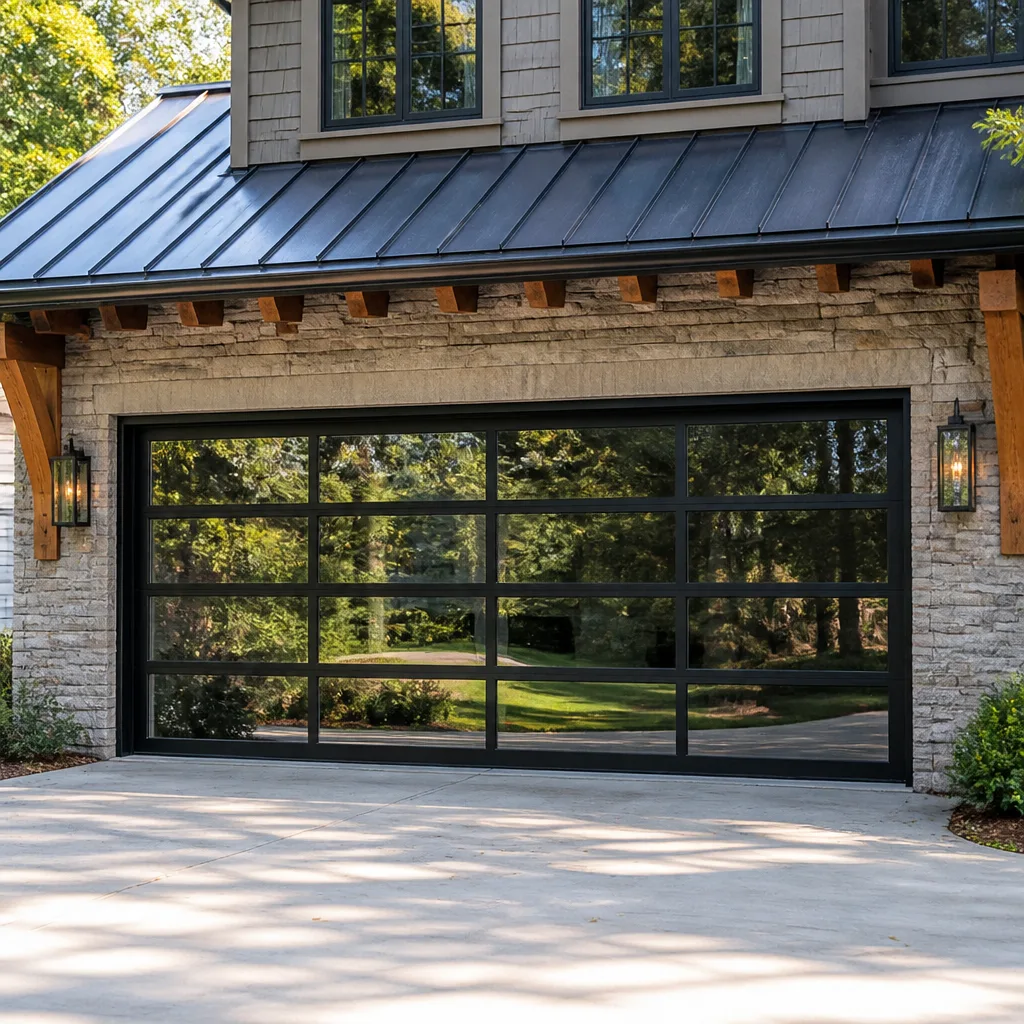 Full-view glass
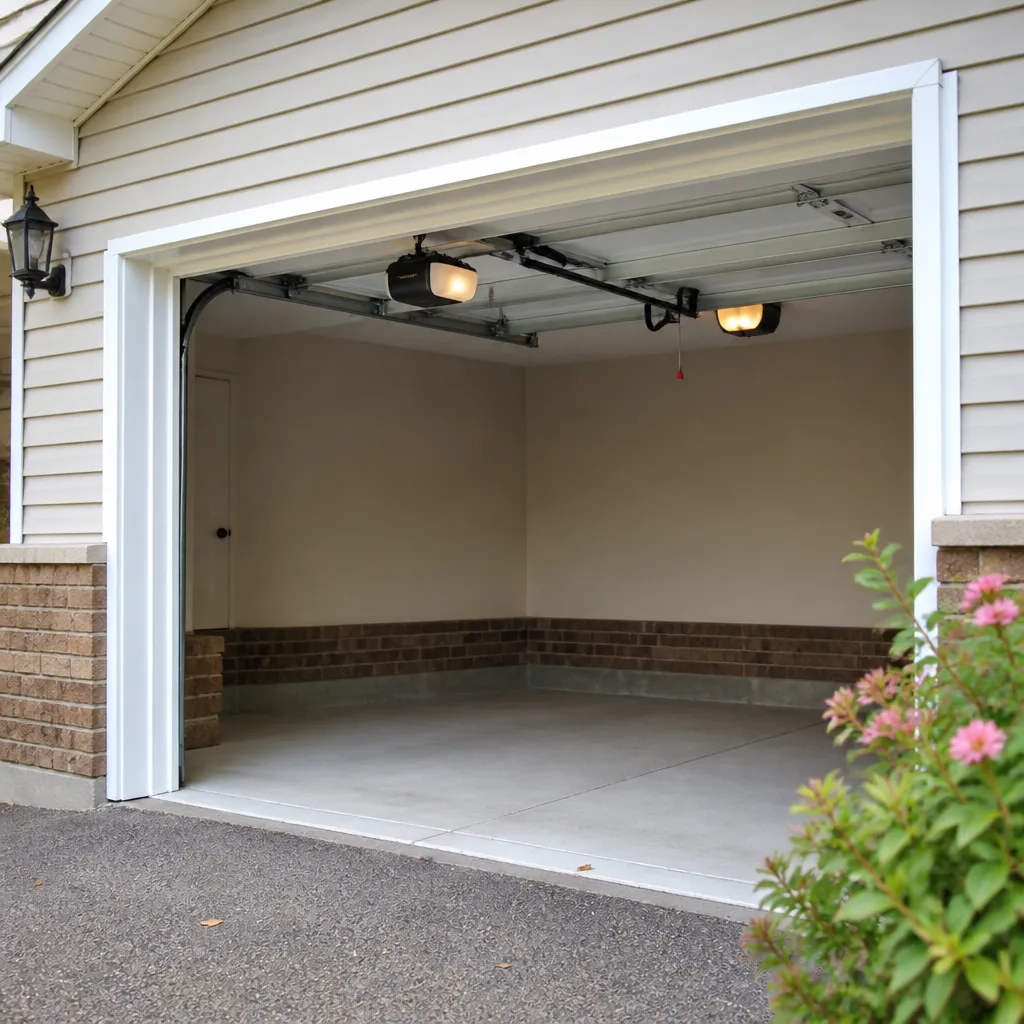 LiftMaster openers
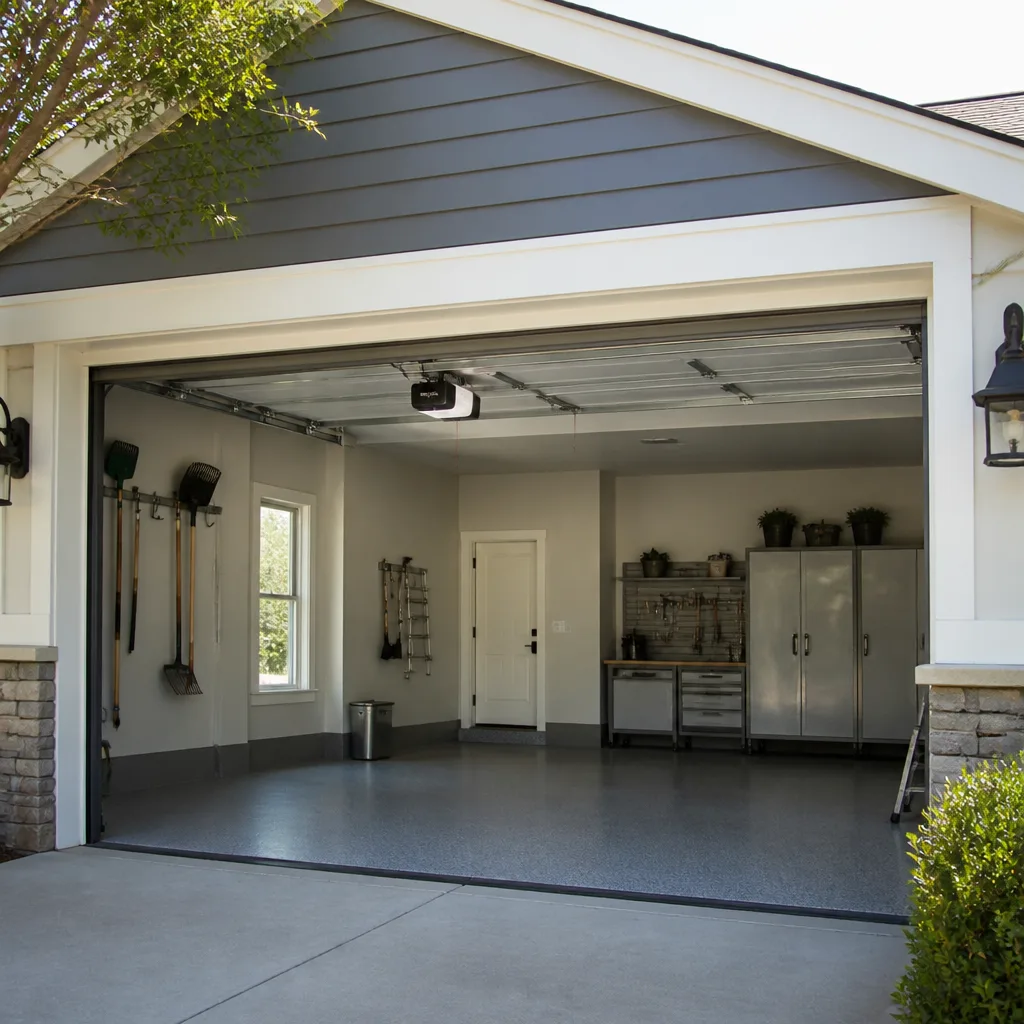 Chamberlain openers
Full 25-point door and opener safety check with every visit - springs, cables, rollers, tracks, and your LiftMaster or Chamberlain opener included
You get a price before we start. It does not change when the pro arrives.
Get your free estimateHow to Hire a Garage Door Contractor in Throggs Neck: A Step-by-Step Guide
Asking a contractor “are you licensed and insured?” is table stakes. Anybody with a business card will answer yes. The question that actually separates a garage door specialist from someone who watched a few videos and bought a van is more specific: can they explain how the torsion system on your door is balanced, what happens when a two-spring setup loses one spring, and how the opener’s control board reads the safety sensors? Those are hardware questions, not paperwork questions. If the person on the phone can’t go there, you’ve learned more than any license check will tell you. This guide walks you through how to hire a garage door contractor in Throggs Neck the way a specialist would vet one, from the first phone call to the signed estimate.
Quick Answer
To hire a garage door contractor in Throggs Neck, verify three things before you book: that they specialize in garage doors rather than general handyman work, that they service your specific door and opener brand (LiftMaster, Chamberlain, Genie, Clopay and similar), and that their written estimate itemizes parts, labor and hardware separately. A legitimate garage door specialist can answer brand-specific technical questions on the first call, explains that springs are under extreme tension and never a DIY repair, and puts the agreed price in writing before any work starts.
Styles & brands we work with
- Raised-panel steel
- Carriage house
- Modern flush
- Full-view glass
- LiftMaster openers
- Chamberlain openers
Table of Contents
- Specialist vs. General Handyman: Why the Difference Matters
- The Technical Questions That Reveal a Real Specialist
- What a Legitimate Estimate Should Itemize
- How to Verify They Service Your Make and Model
- Why the Lowest Quote in Throggs Neck Is a Warning Sign
- A Step-by-Step Hiring Process
- Spring Work and the Safety Stakes
- Warranty and Liability: What to Confirm in Writing
Specialist vs. General Handyman: Why the Difference Matters
A general handyman can hang a shelf, patch drywall, and swap a light fixture. A garage door is a different animal. It’s a balanced mechanical system under constant tension, with a torsion or extension spring assembly carrying the full weight of the door, a track that has to be plumb, rollers that wear, and an opener that has to be timed and force-limited correctly. When something goes wrong with that system, the person working on it needs to understand the load path, not just how to turn a wrench.
That distinction matters most when things fail. If a general handyman replaces a spring and the door comes out of balance, or installs a new opener without setting the travel limits correctly, the failure mode isn’t cosmetic. It’s a door that slams, reverses unexpectedly, or drops off its track. And when a warranty claim comes up later, the manufacturer or the installer is going to ask who did the work and whether it was done to spec. That’s where the specialist difference shows up in real terms.
For Throggs Neck homeowners, this matters because most of the housing stock here is older. Doors that were installed decades ago and have been serviced by whoever was available often have mismatched hardware, retrofit openers, and springs that were sized for a different door weight. A specialist walks up, looks at the system, and knows what they’re dealing with. A generalist looks at the same door and guesses.
When a door fails completely, that gap becomes urgent. [[EMBED /garage-door-repair-throggs-neck/ | garage door repair]] is a specialist’s work, and it’s the kind of work where guessing costs more than getting it right the first time.
The Technical Questions That Reveal a Real Specialist
You don’t need to know the answers yourself. You just need to hear how the person on the phone responds. A specialist answers technical questions directly and with specificity. A generalist deflects, generalizes, or promises to “take a look when I get there.” Here are the questions worth asking before you book anyone in Throggs Neck.
- What’s the difference between a torsion spring and an extension spring, and which does my door use? A real specialist explains that torsion springs mount above the door on a shaft, extension springs run along the sides, and they require different tools and different safety procedures. If the answer is vague, that’s a red flag.
- How do you verify the spring is sized correctly for my door weight? Springs are matched to door weight by wire gauge, inside diameter, and length. A specialist knows this and can explain it. Someone who says “a spring is a spring” does not.
- Do you work on LiftMaster and Chamberlain openers, and how are their control boards different? These two brands share a lineage but have different logic boards, safety sensor configurations, and remote programming procedures. A specialist who works on both knows where they diverge.
- What’s your process for setting the travel limits and force adjustment on a new opener? This is the step that determines whether the door reverses correctly when it meets an obstruction. A contractor who can’t describe it clearly either doesn’t know or doesn’t do it consistently.
- How do you test the safety reverse after a repair? The answer should be specific: the door should reverse on contact with an obstruction, and the photo-eye sensors should be tested at both the open and closed positions.
You don’t need to grill anyone. Two or three of these questions will tell you what you need to know. If the person on the phone can answer them in plain language without hedging, you’re talking to a specialist. If they can’t, you’re talking to someone who is going to figure it out on your door.
What a Legitimate Estimate Should Itemize
A legitimate garage door estimate doesn’t have to be a ten-page document, but it does need to separate the moving parts. When an estimate is a single lump sum with no breakdown, you can’t tell whether the price reflects the right parts, the right labor, or a guess. Here’s what a specialist’s estimate should show.
- Parts, listed individually. Springs, cables, rollers, hinges, and bearings should each appear as separate line items with the brand and specification named where relevant. If the estimate says “springs and hardware” as one line, ask for the breakdown.
- Labor, priced separately from parts. This lets you see whether the price is being driven by the cost of the hardware or the time on the job. It also makes it easier to compare two estimates honestly.
- Hardware specifications. For openers, the model number should appear. For doors, the manufacturer and model should appear. Clopay, LiftMaster, and Chamberlain all have model lines at very different price points, and the model number is the only way to know which one you’re getting.
- What’s included in the price and what isn’t. Disposal of old hardware, re-connecting the opener after a spring replacement, and re-balancing the door should be stated clearly if they’re included. If they aren’t, ask what they cost.
- A written total, agreed before work starts. This is the line that matters most. The number on the estimate is the number you should expect to pay, provided no additional damage is found and you approve any change before it’s made.
Red flags in an estimate: a price given only over the phone with no written follow-up, line items that say “miscellaneous” or “shop supplies” without a number, and a contractor who resists putting the breakdown in writing. In Throggs Neck, where a lot of the housing is older and the door hardware is often mixed, a written itemization is also your protection against being told mid-job that “the tracks need replacing too” with no prior warning.
How to Verify They Service Your Make and Model
The most common disappointment in this trade isn’t a bad repair. It’s booking a contractor who shows up, looks at your opener, and says they don’t work on that brand. Before you book anyone in Throggs Neck, verify brand coverage on the phone. Here’s how.
- Look at the label on your opener and your door. The opener has a brand and model number on the back panel or under the light cover. The door has a manufacturer’s label, usually on the inside of the bottom panel or on the end stile. Write both down before you call.
- Ask directly: do you service this brand? Don’t ask “do you work on openers?” Ask “do you service a Chamberlain B970?” or “do you carry LiftMaster logic boards?” The more specific your question, the more informative the answer.
- Ask what the parts lead time is for your brand. A specialist who works on your brand regularly knows roughly how long a control board, safety sensor, or spring takes to source. A contractor who doesn’t work on it regularly won’t know, or will guess.
- Ask whether they’ve done this specific repair on this specific brand before. Genie openers, for example, have different chain and belt drive configurations than LiftMaster. A specialist should be able to describe the difference.
Brand fluency isn’t about loyalty. It’s about whether the person working on your door has the diagnostic familiarity to go straight to the likely failure instead of working through the whole system by elimination. That saves you time and money, and it reduces the odds of a follow-up visit for the same problem.
Why the Lowest Quote in Throggs Neck Is a Warning Sign
Garage door spring work is the most dangerous and technically demanding repair in the trade. A torsion spring on a standard residential door can be under hundreds of pounds of tension. When it’s correctly sized, correctly installed, and correctly wound, it’s safe. When it isn’t, it’s a loaded mechanism with a failure mode that can break bones. That’s not a scare tactic. It’s the reason spring repair is a specialty service and not a handyman task.
So when one quote comes back dramatically lower than the others, the question to ask is: what’s being left out? In practice, a low spring quote usually means one of a few things. The spring is undersized for the door weight. The cables and drums aren’t being inspected or replaced when they’re worn. The technician is not trained specifically in spring work. Or the labor is being priced to get the job, with the expectation of finding more to fix once the door is apart.
None of those are necessarily dishonest. But none of them are in your interest, either. A correctly sized spring, matched to your door’s actual weight and installed by a technician who does this work regularly, costs what it costs. The way to compare quotes honestly is to ask each contractor for the same itemized breakdown: spring specification, cable condition, labor, and what’s included. When you compare on that basis, the gap between quotes usually narrows, and the one that remains is a real difference in what’s being done.
If you’re replacing the door rather than repairing it, the same logic applies. [[EMBED /garage-door-installation-throggs-neck/ | garage door installation]] involves a measurement, a model selection, an order, and a scheduled install with proper track alignment and opener integration. A price that’s dramatically lower than the rest usually reflects a lower-grade door or a shortcut on the install itself.
A Step-by-Step Hiring Process
Here’s a sequence that works for any garage door job in Throggs Neck, whether it’s a spring replacement, an opener repair, or a new door install. Work through these steps in order and you’ll avoid most of the common mistakes.
- Identify the problem and your equipment. Write down what the door is doing or not doing, the door brand and model if you can find it, and the opener brand and model. This is the information every contractor will need.
- Call two or three specialists, not generalists. Ask each one the technical questions above. Compare not just the answers but the specificity. A specialist will ask you questions back; a generalist will just quote a number.
- Request a written estimate before any work is scheduled. The estimate should itemize parts, labor, and hardware, and should state clearly that the written number is the price unless additional damage is found and approved.
- Confirm brand coverage and part availability. Ask whether the specific parts your job needs are in stock or how long they take to source. Confirming this up front avoids a second visit.
- Ask about warranty on parts and labor separately. Parts warranties usually come from the manufacturer and vary by brand and model. Labor warranties are set by the contractor. Both should be stated.
- Get the estimate in writing and confirm the scope before the technician starts. A good technician will walk the job with you and confirm the scope before beginning. If something changes mid-job, they should stop and get your approval.
- Keep the estimate and any warranty paperwork. If a problem returns, you’ll want the record of what was done and what was promised.
This process takes a little more time up front. It saves far more time than it costs, especially on a spring job, where the difference between a correctly sized spring and a guess is the difference between a door that works smoothly and a door that needs a second visit.
Spring Work and the Safety Stakes
Springs are under extreme tension. That’s the whole reason spring repair is a specialist service and not a DIY project. A torsion spring holds the weight of the door so the opener and the person lifting it don’t have to. When you wind one with the wrong tool, or release one without controlling the tension, the energy releases all at once. That’s the failure mode that sends people to the emergency room.
What a trained technician does differently: they use the correct winding bars, they control the tension through the full wind and unwind, they verify the spring is sized for the door weight, and they inspect the cables, drums, and bearings while the door is apart. They also test the door’s balance after the spring is replaced, because a door that’s not balanced will wear out the new spring and strain the opener.
For homeowners in Throggs Neck, the practical takeaway is simple: if your door has a broken spring, don’t try to open it manually to see what’s wrong, and don’t let anyone who isn’t specifically trained in spring work touch it. The door should stay closed until a technician arrives. This is also why specialist spring pricing is what it is: the work requires skill and equipment, and the price reflects that.
When a spring fails and the door won’t open, that’s an emergency in practical terms. A car trapped inside, a door that won’t close and leaves the house open. [[EMBED / | Garage Door Repair Throggs Neck]] handles both the emergency call and the planned repair, and the estimate is free.
Warranty and Liability: What to Confirm in Writing
Warranty is where the specialist-versus-generalist distinction becomes concrete. A manufacturer’s warranty on a spring, opener, or door is typically voided if the installation wasn’t done to spec or by an unqualified installer. So when a general handyman does the work, you may be holding a warranty that no longer covers the part.
What to confirm in writing before work starts:
- The parts warranty terms. Who backs the part, for how long, and under what conditions. For openers, this varies significantly between LiftMaster, Chamberlain, and Genie, so ask for the specifics for your model.
- The labor warranty terms. How long the contractor stands behind their own work, and what’s covered if the same problem returns.
- Liability coverage. A legitimate contractor carries liability coverage for damage to your property during the job. Ask for confirmation in writing; don’t accept a verbal yes.
- Scope of the written estimate as the agreement. The estimate should state what’s being done, what’s not, and that the written price is the price unless additional work is approved.
If a contractor can’t or won’t put these in writing, that’s your answer. In Throggs Neck, where a lot of the homes have older doors and the work often involves replacing hardware that wasn’t original to the house, the paper trail matters more than usual. It’s your record of what was done and what was promised.
Common Mistakes to Avoid
- Hiring a general handyman for spring work. Springs are the most dangerous part of the door, and a generalist without specific spring training is a risk to themselves and to your door. Ask directly whether spring repair is a specialty service they offer.
- Accepting a phone quote as the final price. A phone quote is an estimate based on what you described. The written estimate after a look at the door is the number that matters. Never let work start without one.
- Not checking brand coverage before booking. Most garage door contractors work on most brands, but “most” isn’t “all.” Confirm your opener brand and model on the phone so nobody wastes a trip.
- Choosing the lowest quote without comparing scope. A low quote for a spring job often means an undersized spring or skipped cable inspection. Compare itemized estimates, not bottom-line totals.
- Skipping the balance test after a repair. A door that isn’t balanced after a spring replacement will wear the new spring faster and strain the opener. Ask the technician to show you the balance test before they leave.
- Not asking about warranty on parts and labor separately. Manufacturer warranties and labor warranties are different things with different terms. Confirm both in writing.
- Letting anyone work on the door without confirming liability coverage. If something is damaged during the job, liability coverage is what stands behind the repair. Ask for written confirmation, not a verbal yes.
See the difference
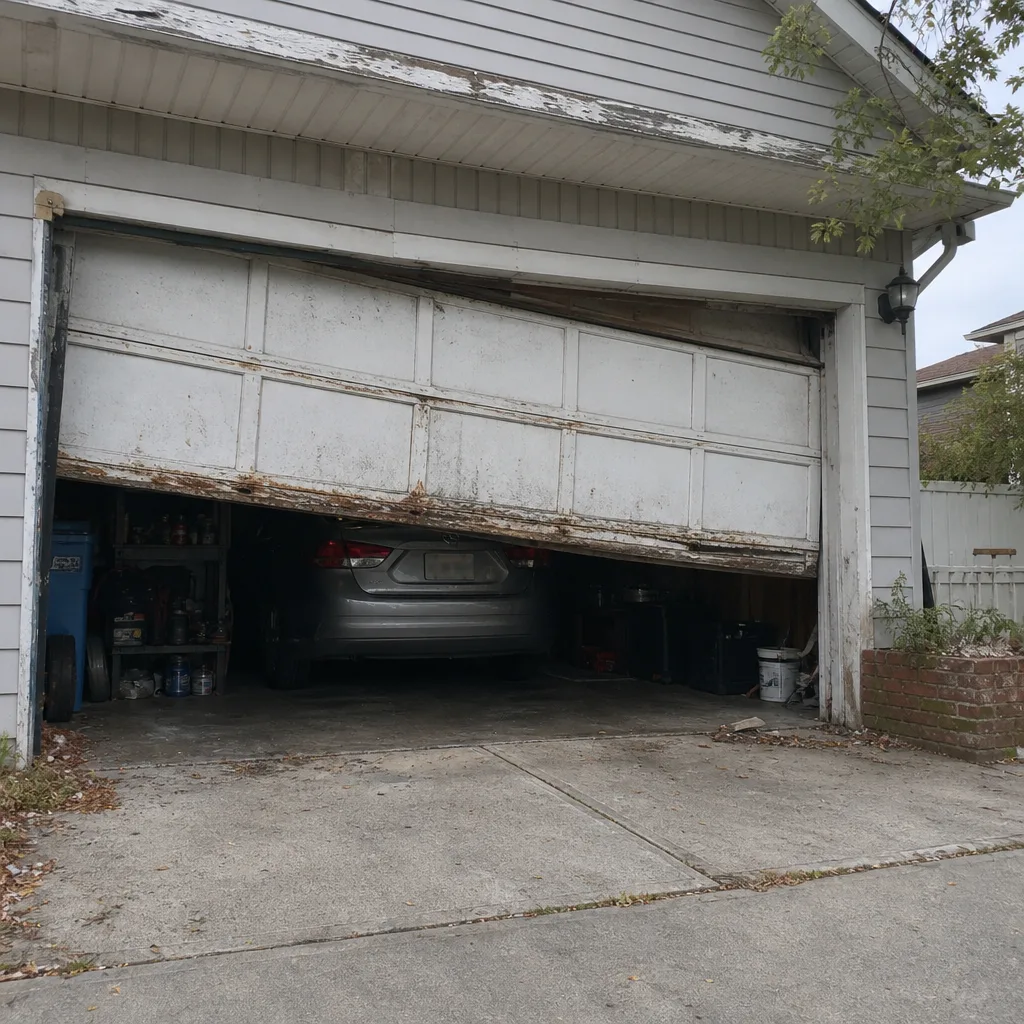 Before
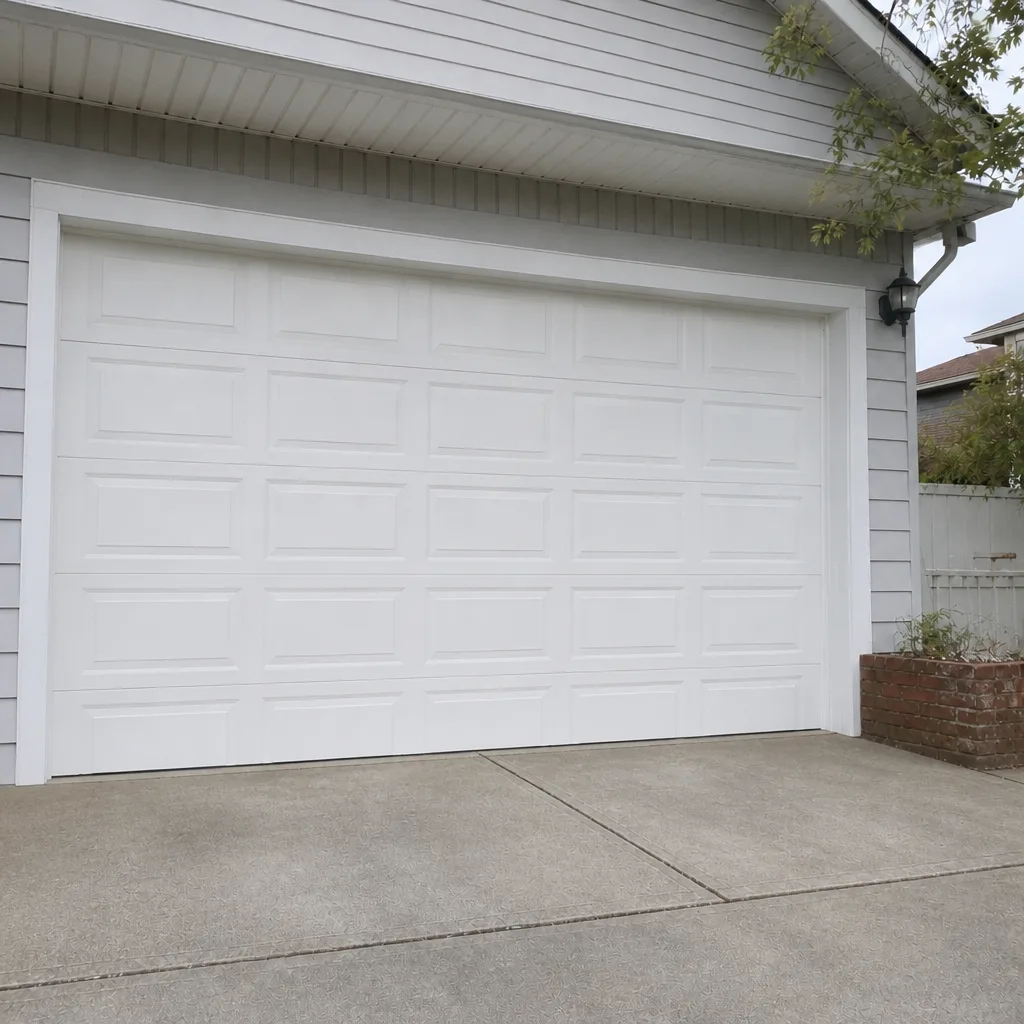 After
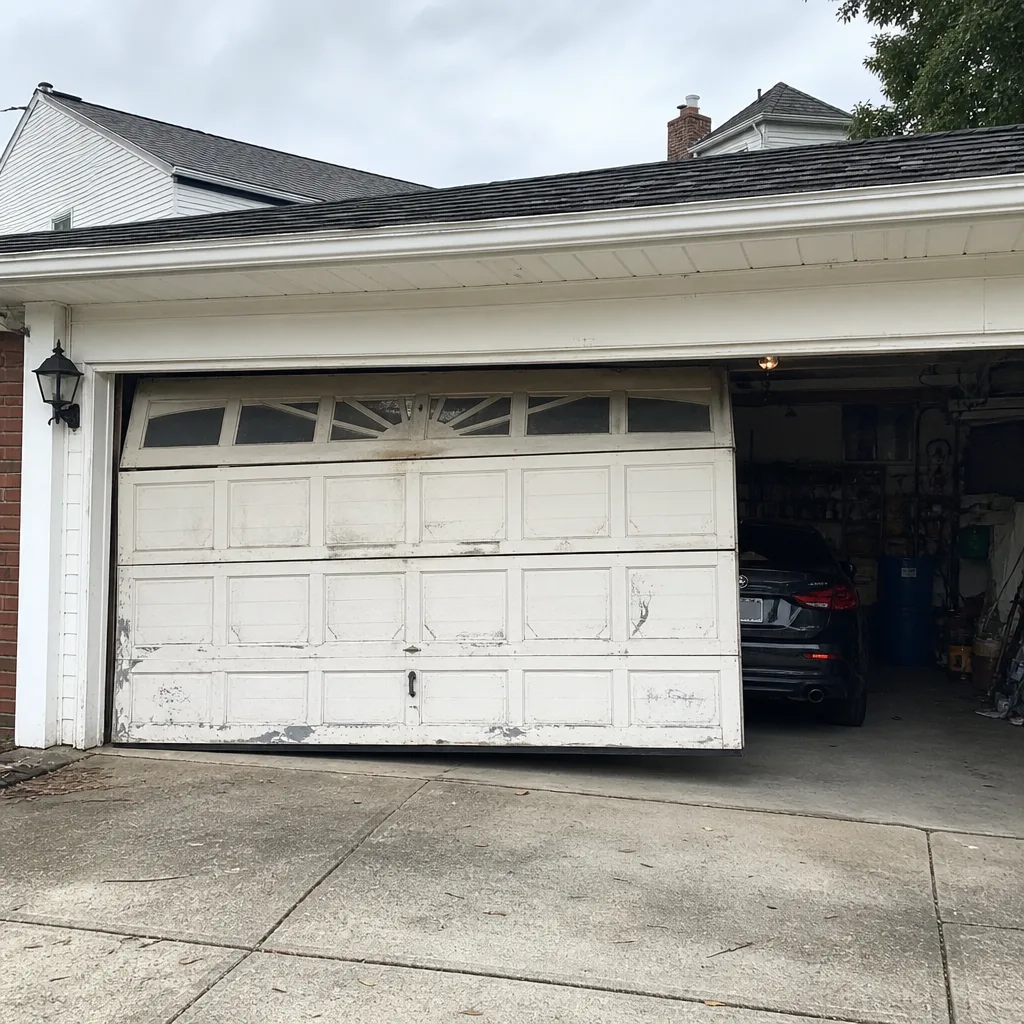 Before
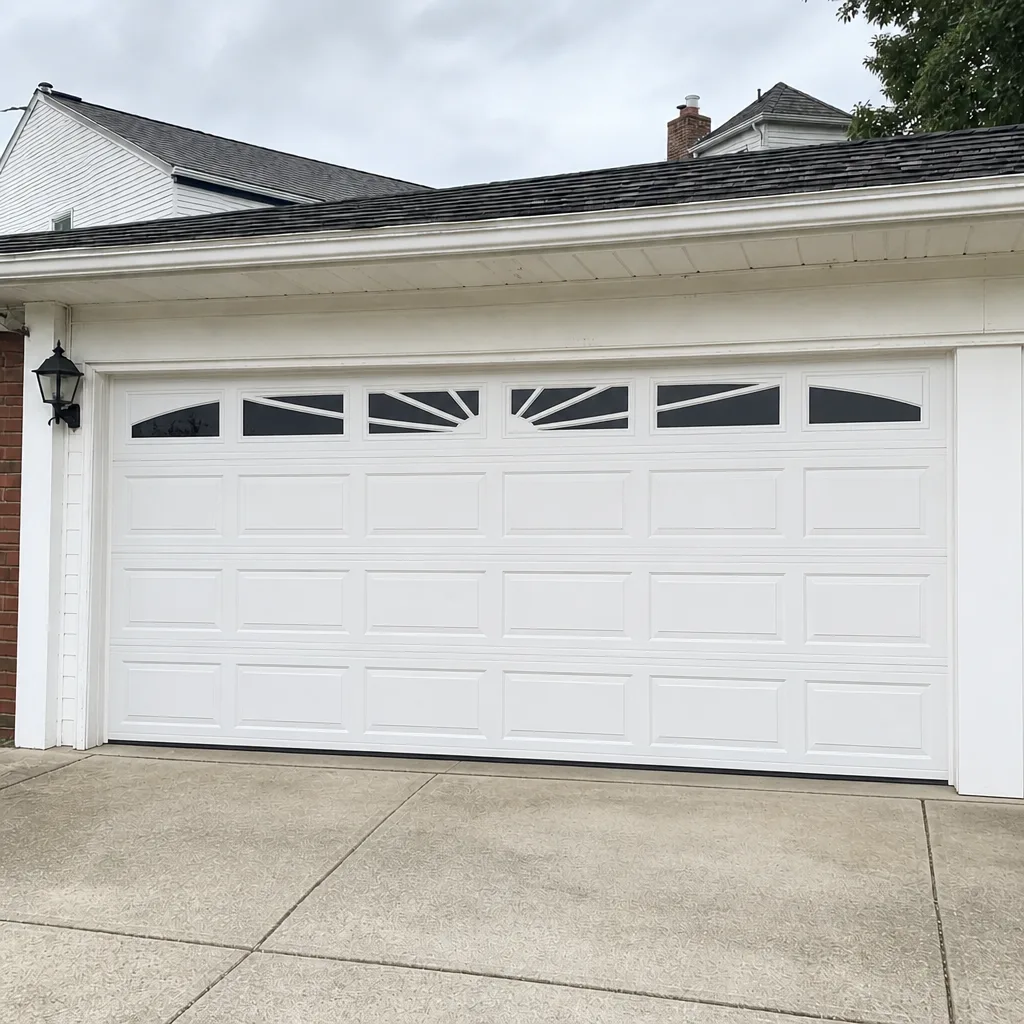 After
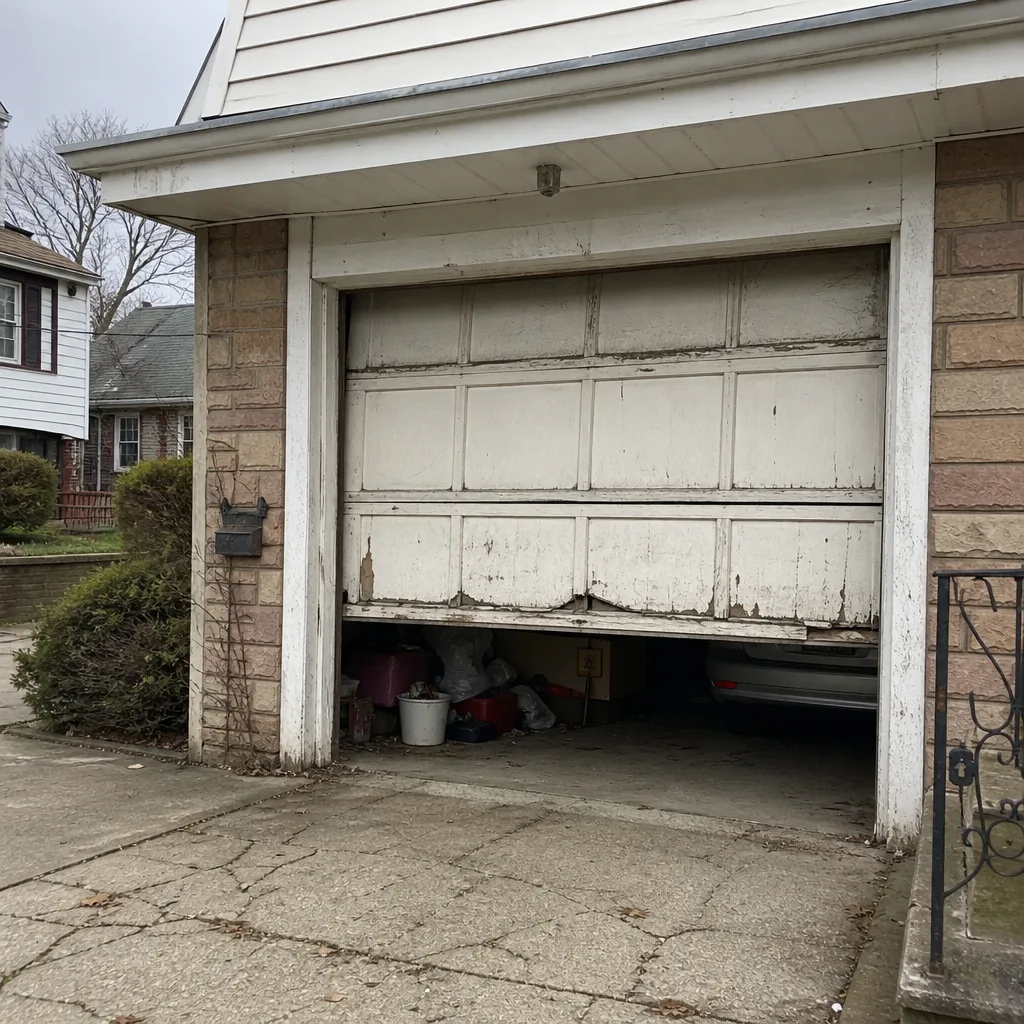 Before
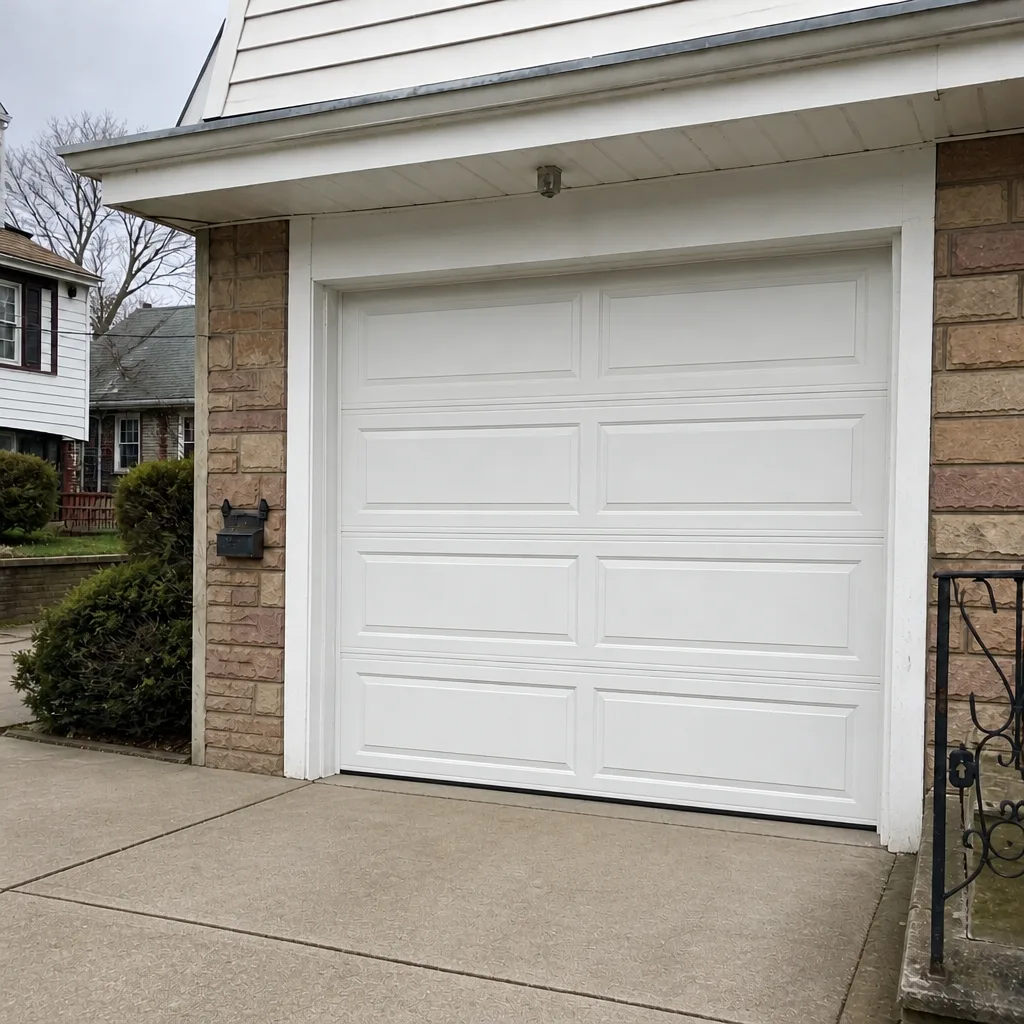 After
When to Call a Professional
Some garage door issues are nuisance-level; others are genuinely dangerous. Call a professional when a spring is broken (visible gap in the coil or the door won’t lift), when the door comes off its track or hangs unevenly, when the opener runs but the door doesn’t move, when the safety reverse fails its test, or when the door slams shut instead of lowering smoothly. Also call a professional before attempting to adjust the torsion system yourself. The tension on those springs is not something to test by feel.
For Throggs Neck homeowners, our team at Garage Door Repair Throggs Neck offers free estimates. We work on LiftMaster, Chamberlain, Genie, and Clopay equipment, and our technicians have up to 11 years of experience. Call (877) 792-6871. We answer 24/7. Fast dispatch from 7am to 7pm, Sunday through Friday.
Our technicians have up to 11 years of experience and a strong local reputation. If you’re not sure whether your issue warrants a call, it’s worth asking. A quick conversation costs nothing, and it’s better than waiting for a small problem to become a bigger one.
If the more pressing question is about automation rather than the door itself, [[EMBED /garage-door-opener-repair-throggs-neck/ | garage door opener repair]] covers the diagnostic side: control boards, safety sensors, drive systems, and remote programming for the major brands.
Frequently Asked Questions
Spring repair in Throggs Neck is priced per job by a written estimate, and the price depends on the spring type, the door weight, and whether cables or drums need replacing alongside the spring. Because the written estimate sets the final price, the number you’re quoted after a technician looks at the door is the number you can expect to pay, provided no additional damage is found and approved. Call (877) 792-6871 for a free estimate.
We answer 24/7, and we offer emergency garage door service for doors that won’t open or close. Fast dispatch is available from 7am to 7pm, Sunday through Friday. If you call outside dispatch hours, we’ll book you into the next opening. Call (877) 792-6871 and we’ll tell you what’s available.
The written estimate is the price, and any change to the scope is approved by you before work continues. If the technician finds additional wear or damage that wasn’t visible during the initial assessment, they’ll stop, explain it, and give you a revised written price before doing anything further. Nothing is done without your approval.
We service LiftMaster, Chamberlain, Genie, Clopay, Amarr, Wayne Dalton, Craftsman, and Raynor equipment, which covers the vast majority of residential doors and openers in Throggs Neck. Confirm your model on the phone and we’ll tell you what’s involved before anyone is dispatched.
No. Torsion and extension springs are under extreme tension, and releasing that tension incorrectly can cause serious injury. Spring repair requires specific tools and training, and it’s the most dangerous repair in the trade. Keep the door closed and call a specialist.
Have the door brand and model if you can find it, the opener brand and model, and a short description of what the door is doing or not doing. That’s enough for us to give you a useful first assessment and to confirm we service your equipment. Call (877) 792-6871. We answer 24/7. Fast dispatch from 7am to 7pm, Sunday through Friday.
The Bottom Line
Hiring a garage door contractor in Throggs Neck isn’t about finding the cheapest quote or the fastest callback. It’s about finding someone who can answer technical questions about your specific door and opener, who explains that springs are under extreme tension and not a DIY repair, and who puts an itemized written estimate in front of you before any work starts. Verify brand coverage on the phone, compare itemized estimates rather than totals, and confirm warranty and liability in writing. A specialist will make that easy; a generalist will make it hard. That difference is the whole point of this guide.
For a free estimate in Throggs Neck, call Garage Door Repair Throggs Neck at (877) 792-6871. We answer 24/7. Fast dispatch from 7am to 7pm, Sunday through Friday.
Written by the team at Garage Door Repair Throggs Neck.