
Last updated November 21, 2026
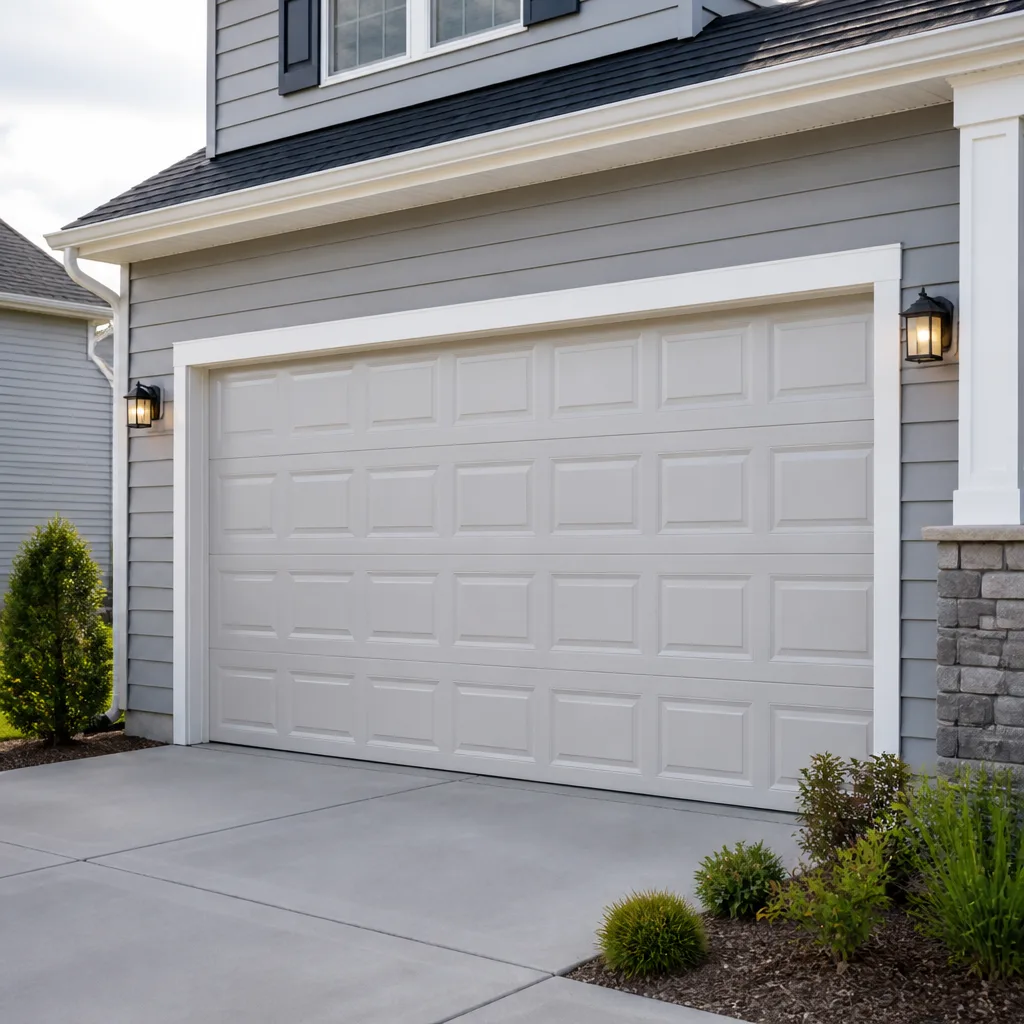 Raised-panel steel
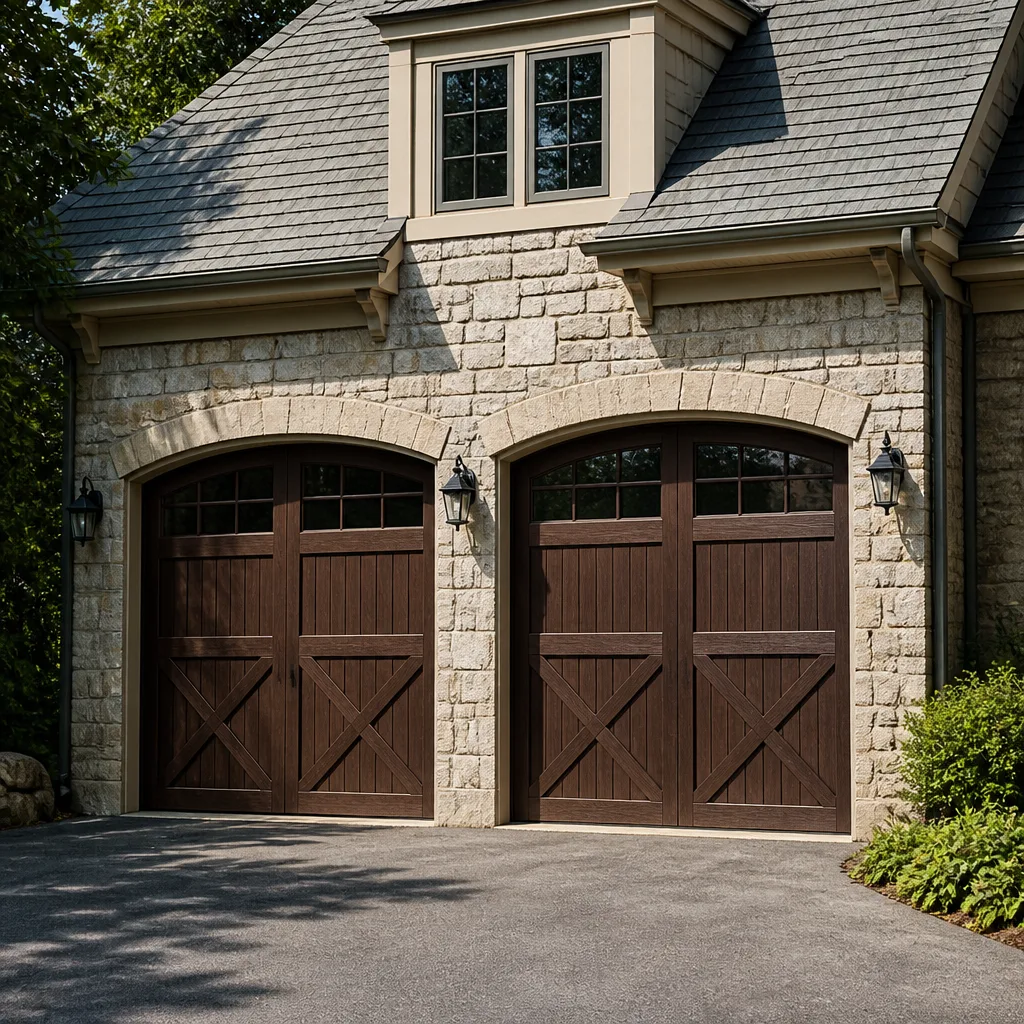 Carriage house
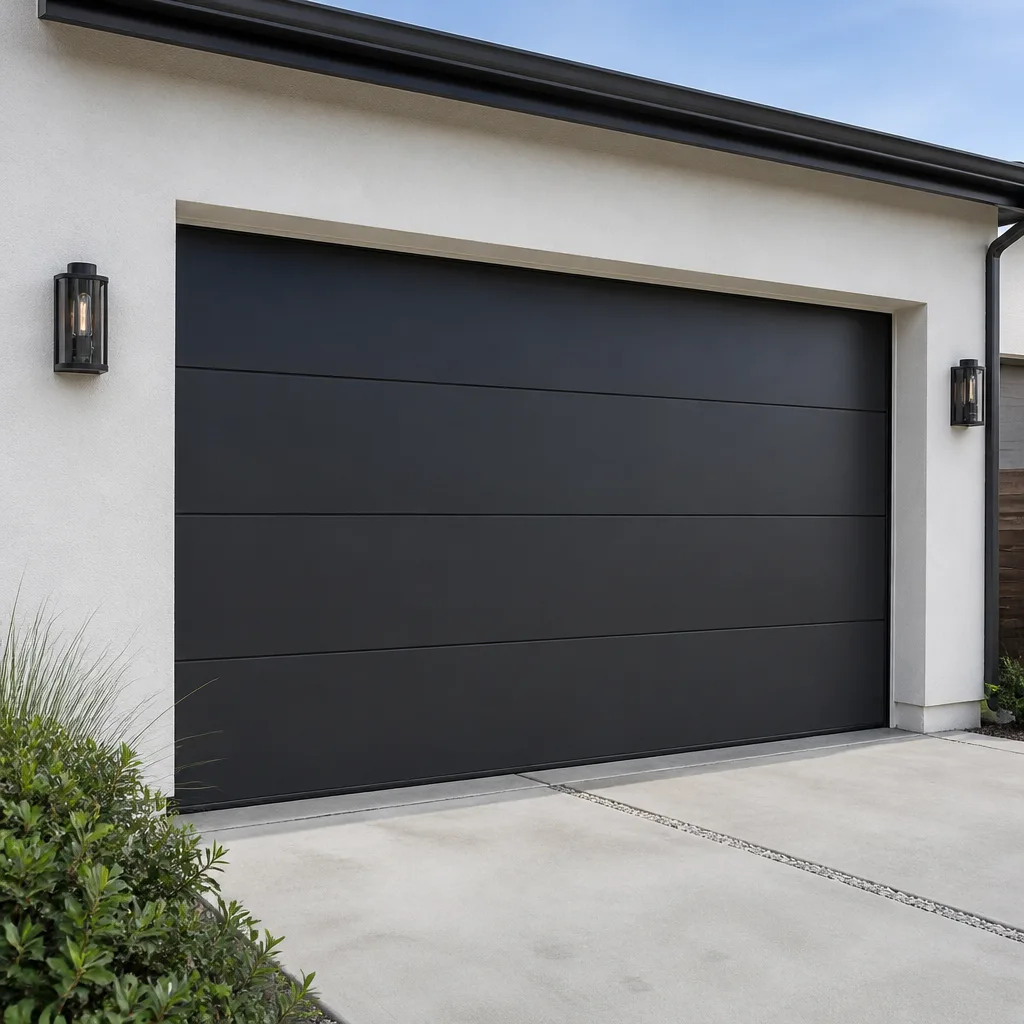 Modern flush
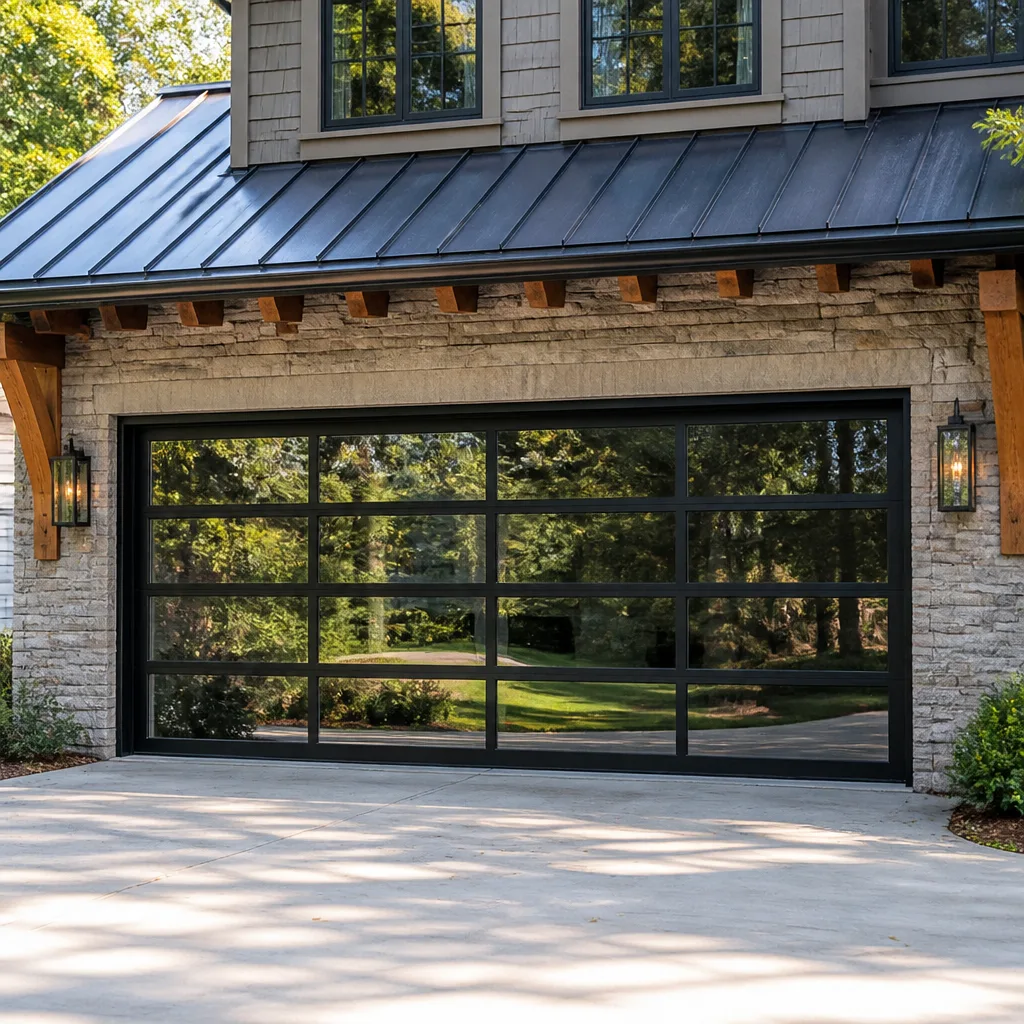 Full-view glass
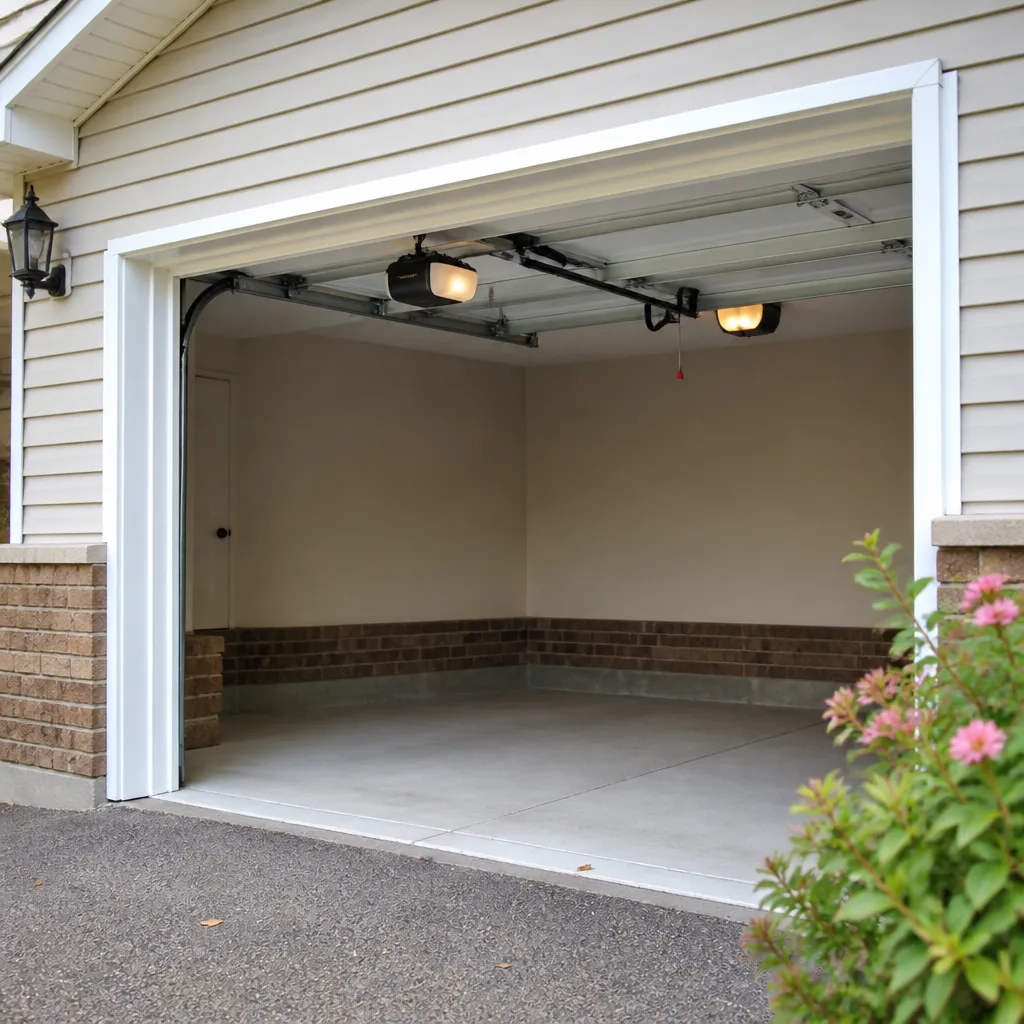 LiftMaster openers
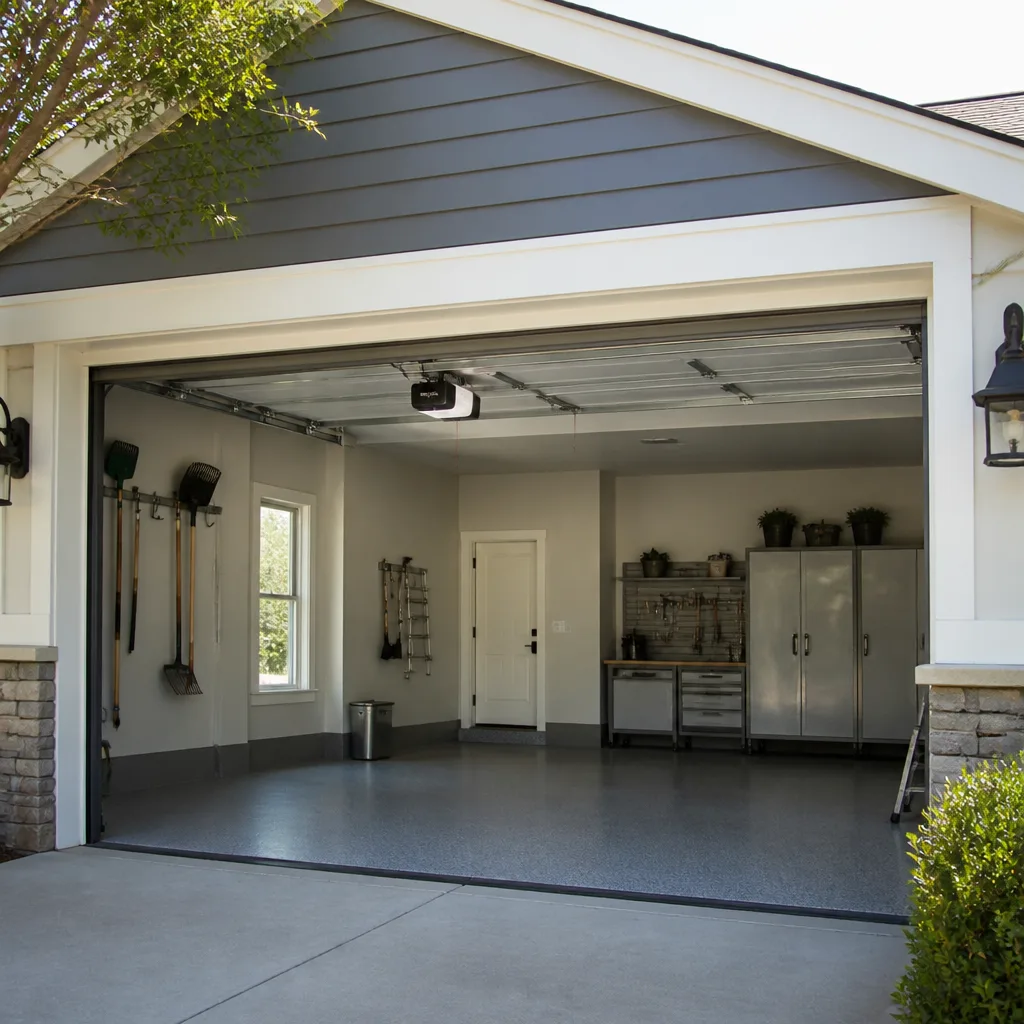 Chamberlain openers
Full 25-point door and opener safety check with every visit - springs, cables, rollers, tracks, and your LiftMaster or Chamberlain opener included
You get a price before we start. It does not change when the pro arrives.
Get your free estimateChoosing the Right Garage Door Brand: A Buyer’s Guide for Throggs Neck
The best-reviewed garage door brand on a national ranking site is usually judged by a dry, sprawling suburb where every driveway is 20 feet wide and winters are mild. Throggs Neck is not that place. Here you have narrow lots, tight attached garages with limited headroom, northeast winters that flex and stiffen every moving part, and a housing stock that ranges from mid-century ranches to new construction infill. The brand that suits your home should be chosen on those realities, not on a magazine’s top-ten list. In this guide you’ll learn how steel gauge, insulation type, panel availability, opener compatibility, and real warranty language should drive the decision – and how the brands we work on every day fit into it.
Quick Answer
For most Throggs Neck homes, the right garage door brand is the one whose panel sizes fit your opening, whose insulation handles a northeast winter, and whose panels will still be orderable a decade from now – not the most advertised name. Clopay, Amarr, and Wayne Dalton are the three lines we most often see in Throggs Neck attached garages with limited headroom, and matching the door to an opener from the same ecosystem (LiftMaster or a compatible Chamberlain unit, for example) prevents years of sensor and travel-limit headaches.
Styles & brands we work with
- Raised-panel steel
- Carriage house
- Modern flush
- Full-view glass
- LiftMaster openers
- Chamberlain openers
Table of Contents
- Why National Rankings Mislead Throggs Neck Buyers
- How to Judge Steel Gauge and Galvanized Coating
- Polyurethane vs. Polystyrene: Insulation That Handles a Northeast Winter
- Clopay, Amarr, and Wayne Dalton: Which Fits Your Throggs Neck Garage?
- Why Opener Compatibility Matters More Than You Think
- Panel Construction and Repair Cost Over Time
- What “Lifetime Warranty” Actually Covers
- Matching the Brand to Your Installation Type
Why National Rankings Mislead Throggs Neck Buyers
A national brand ranking is an average. It takes every climate, every home size, and every price point and flattens them into one list. That list rarely accounts for what makes Throggs Neck different: dense residential blocks, a lot of attached garages where the door shares a wall with living space, narrow approaches that limit how a door can be delivered and installed, and winters that bring repeated freeze-thaw cycles and road salt tracked onto driveways and door tracks.
When we look at a door in Throggs Neck, we’re judging it against local conditions, not a national scorecard. Three things matter more here than most buyers expect:
- Clearance and headroom. Attached garages in this neighborhood often have low ceilings and tight side clearance. A door brand that only offers bulky low-headroom hardware can push installation costs up or rule out certain door styles entirely.
- Insulation. If the garage shares a wall or ceiling with heated living space, an uninsulated door becomes a heat leak all winter. Insulation type matters as much as R-value numbers.
- Material durability in a northeast urban setting. Freeze-thaw, tracked road salt, and regular daily use wear a door differently than a mild-climate suburb with a car that lives outside.
The practical takeaway: treat national rankings as a starting filter, not a verdict. The brand decision should be made against your opening, your insulation need, and the parts supply for that specific line. That’s the frame we use, and it’s the frame this guide will walk you through.
How to Judge Steel Gauge and Galvanized Coating
Steel gauge and galvanized coating quality are the two numbers most buyers never ask about – and the two that most determine how a door looks and performs after five northeast winters. Here’s how to evaluate them.
Steel gauge. Thicker steel resists dents and holds its shape better, especially on a door that gets bumped by kids, bikes, or a car nosing in. A lower gauge number means thicker steel. Many builder-grade doors use thinner steel to hit a price point; a step up in gauge is often the single biggest upgrade in feel and longevity.
Galvanized coating. The zinc coating is what protects the steel from rust. Better-coated steel resists corrosion from tracked road salt and from the moisture that sits on a door through repeated freeze-thaw. When two doors look identical from the curb, the coating is often where the price difference lives.
When we evaluate a door for a Throggs Neck home, we look for:
- Steel thickness that matches the door’s width and the household’s daily use.
- Galvanized coating rated for a northern climate, not just a dry one.
- An insulated core that doesn’t rely on the steel skin alone for strength.
- Hinges, rollers, and track hardware from a line that’s still supported.
None of this requires you to be a metallurgist. It requires asking your installer to state the gauge and the coating on the door they’re quoting – and comparing those numbers across brands instead of comparing colors.
Polyurethane vs. Polystyrene: Insulation That Handles a Northeast Winter
If your garage is attached and shares a wall with your living space, insulation is not a luxury. It’s the difference between a draft you feel all winter and a garage that holds its temperature. There are two common insulation types, and they behave very differently.
- Polyurethane. Higher insulating value per inch and denser, so it adds structural rigidity. It handles repeated temperature swings well, which matters in a Throggs Neck winter. It typically costs more up front.
- Polystyrene. Lighter and less expensive. It’s fine for a detached or unheated garage where you mainly want to cut noise and stop drafts. It doesn’t add the same structural strength or thermal performance.
The insulation question isn’t “which is better” in the abstract. It’s “what does your garage actually need?” A door that shares a wall with a heated living room benefits from the denser polyurethane in ways you’ll notice on every cold morning. A detached garage used for storage may not justify it. We walk Throggs Neck homeowners through this tradeoff because the right call depends on the house, not the brochure.
Two other insulation realities matter in a northeast winter. First, an insulated door is heavier, so the opener and springs have to be sized for it – a detail that gets missed when someone buys an insulated door and keeps the old opener. Second, insulation plus good perimeter weatherstripping is what actually keeps the cold out; the door core alone won’t do it. When the springs eventually wear out from the added weight and the cold, that’s garage door repair work we handle as a dedicated service, not an afterthought.
Clopay, Amarr, and Wayne Dalton: Which Fits Your Throggs Neck Garage?
Clopay, Amarr, and Wayne Dalton are the three lines we most often see and work on in Throggs Neck, especially in the attached garages with limited headroom that dominate this neighborhood. Each has a different strength, and which one fits depends on your garage’s specific constraints.
Clopay brings a wide range of styles and insulation options. For a homeowner who wants a specific look and a denser polyurethane core, Clopay’s line is broad enough to match almost any Throggs Neck facade, from a subtle raised-panel to a carriage-style door. The catalog depth can also make panel replacement easier down the line.
Amarr is a strong fit when you need value and a solid insulated door without paying for extra styling. For a standard-width attached garage where the goal is warmth and durability rather than curb appeal, Amarr lines do the job well and keep budget on the door rather than the trim.
Wayne Dalton offers a range of door types, and a few of its lines are known for fitting tight openings and low-headroom situations where other brands want more room. When a Throggs Neck garage has a shallow ceiling or tight side clearance, we look closely at Wayne Dalton options because the hardware geometry often works where bulkier systems don’t.
None of these three wins outright. The right one is the door whose panel widths, insulation, and low-headroom hardware fit your specific opening – and the one whose panels will still be available when you need a replacement. If you’re weighing a full replacement, our team can walk your opening and give you a straight comparison rather than a sales pitch.
Why Opener Compatibility Matters More Than You Think
Opener-door compatibility is the most overlooked part of the brand decision. Buyers obsess over the door and forget that the opener is what moves it every day, and that some pairings cause years of small, annoying, expensive problems. We fix those problems constantly.
Where compatibility goes wrong:
- Weight and spring balance. An insulated door is heavier. If the opener’s lifting force was sized for a lighter door, it works harder, strains the motor, and shortens its life. The spring is what balances the door; the opener should only have to guide it.
- Safety sensor behavior. Different opener ecosystems – LiftMaster, Chamberlain, Genie, Craftsman – use different sensor logic and reversing behavior. Pairing a door that’s heavier or stiffer than the opener expects can trigger nuisance reversing or false obstructions.
- Travel limits and force settings. A new door’s travel distance and force profile have to be programmed to the opener. Skip that step and you get a door that stops short or reverses for no apparent reason.
- Parts ecosystem. When the opener and door come from the same or compatible ecosystems, replacement remotes, sensors, and control boards are easier to source and match.
A few pairings are broadly headache-free. LiftMaster and Chamberlain share underlying technology, so a LiftMaster opener and a Chamberlain-compatible door and accessory setup tend to play well together. Craftsman openers are common in older Throggs Neck garages; they work, but their parts ecosystem is narrower than it once was, which makes the door weight and spring balance even more important. If your opener is due for replacement at the same time as the door, that’s the moment to plan both together. We handle garage door opener repair across these brands and can tell you whether your current opener is up to a heavier door before you buy one.
Panel Construction and Repair Cost Over Time
A sectional door is a set of panels. The brand decision is partly a bet on whether those panels will still exist when one of them gets hit. This is one of the most practical, least discussed differences between brands – and over a ten-year horizon it can move your total repair spend significantly.
When a single panel on a sectional door is damaged, the cheapest and fastest fix is to replace just that panel. That’s only possible if the manufacturer still makes the profile and color in your door’s line. If the line has been discontinued, you’re looking at replacing larger sections, mismatched panels, or a full door – none of which is cheap or visually clean.
How to evaluate panel availability before you buy:
- Ask the manufacturer or your installer whether the specific line is a long-running, current catalog product or a special-edition line.
- Confirm the panel profile and color are stocked and orderable, not just shown in a catalog.
- Ask how long the line is typically supported after a model change.
- Favor brands with stable, deep catalogs over one-off styles that may be cut after a season.
Established lines from Clopay, Amarr, and Wayne Dalton tend to have deeper part support than special-edition styles, but depth varies by line, not just by brand. That’s why we look at the actual model, not the logo. It’s also why we keep spring and hardware work in-house – a door that’s repairable panel-by-panel is only as good as the parts and springs that support it, and spring work is Garage Door Repair Throggs Neck territory we treat as a specialty.
What “Lifetime Warranty” Actually Covers
A “lifetime warranty” on a garage door rarely means what a homeowner assumes. It usually covers specific components for specific periods, and it often has conditions that decide whether a claim is honored. For a homeowner planning to stay in the house for 10+ years, some warranty terms are meaningful and some are decorative.
Read every warranty for these four things:
- What the “lifetime” applies to. It may cover the steel skin against rust-through but not the paint finish, the hardware, or the springs.
- What’s excluded. Springs, rollers, hinges, and openers are commonly treated as wear items or covered separately. A door with a lifetime panel warranty and a one-year spring warranty puts the wear where you’ll actually feel it.
- Labor versus parts. Many warranties cover replacement parts but not the labor to install them. Labor is often the larger cost on a repair.
- Transferability. Some warranties transfer to a new owner and some don’t. If you plan to sell, a transferable warranty can be a small selling point.
For a 10+ year stay, the terms that matter most are the ones covering the parts most likely to fail: springs, rollers, and hinges, plus the paint and finish and any rust-through coverage on the steel. A door with a modest but broad warranty is often worth more than one with a headline “lifetime” that only covers perforation of the skin. When a spring fails, that’s the specialized, safety-critical side of the trade – springs are under extreme tension, and this is not a DIY repair. Our technicians have up to 11 years of experience with that work specifically.
Matching the Brand to Your Installation Type
The Throggs Neck home you’re buying a door for usually falls into one of a few installation types, and each type narrows the brand decision in a different way. Start by identifying which one describes your garage.
Attached garage with limited headroom
This is the most common pattern here: a tight attached garage under living space with a low ceiling and narrow side clearance. The brand decision hinges on low-headroom hardware and a door weight your opener and springs can handle. Insulation matters because the garage shares a wall with the house. Brands with shrinkable low-clearance track and a solid polyurethane option – Clopay and Wayne Dalton lines among them – fit these openings best.
Standard-width attached garage
If you have normal height and clearance but still share a wall with the house, the priority shifts to insulation and durability over specialty hardware. Amarr and Clopay insulated lines handle this well, and the choice comes down to style and the size of the opener and springs the door needs.
Older garage with an existing Craftsman or Raynor system
Many Throggs Neck homes still run openers and doors from older lines. When the door and opener are both serviceable, replacing just one is usually possible – but the pairing has to be checked. A Craftsman opener sized for a lighter door may struggle with a new insulated door, and older Raynor door lines may have limited panel availability. In those cases, planning the door and opener together is often the cheaper long game.
Getting the installation type right is the first step of a proper garage door installation. If you’re unsure which category your garage falls into, that’s exactly the kind of thing we measure before quoting – and the written estimate sets the final price, quoted and agreed before any work starts.
Common Mistakes to Avoid
- Buying off a national ranking without checking clearance. A highly ranked door that needs more headroom than your Throggs Neck garage has will cost more to fit or won’t fit at all. Measure first, then shortlist.
- Choosing style before insulation. On an attached garage that shares a wall with living space, insulation affects comfort all winter. Pick the core first, then the color.
- Skipping the opener-weight check. A new insulated door is heavier. Keeping an opener sized for the old, lighter door strains the motor and can reverse for no reason. Plan the two together.
- Ignoring panel availability. Buying a special-edition line that may be discontinued makes a single damaged panel a bigger repair down the road. Confirm panels are orderable, not just shown.
- Reading “lifetime warranty” as whole-door coverage. The headline usually applies to the steel skin, not springs or hardware. Check what’s excluded and whether labor is covered.
- Assuming the coat of paint is the finish. Galvanized coating quality is what resists rust through northeast freeze-thaw and tracked road salt. Ask about the coating, not just the color.
- Letting a spring problem ride. A tired or failing spring puts extra load on the opener and makes the door unsafe to operate. Springs are under extreme tension – this is not a DIY repair. Call a specialist.
See the difference
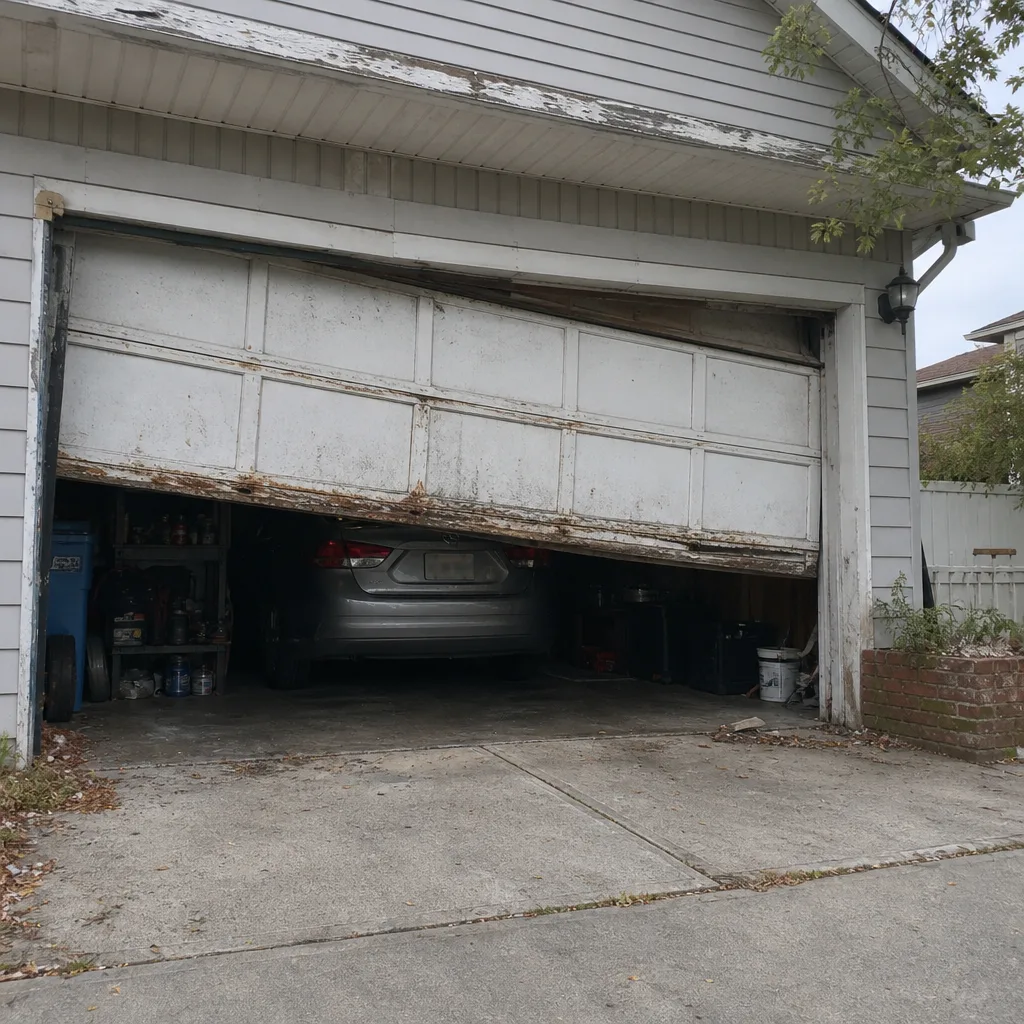 Before
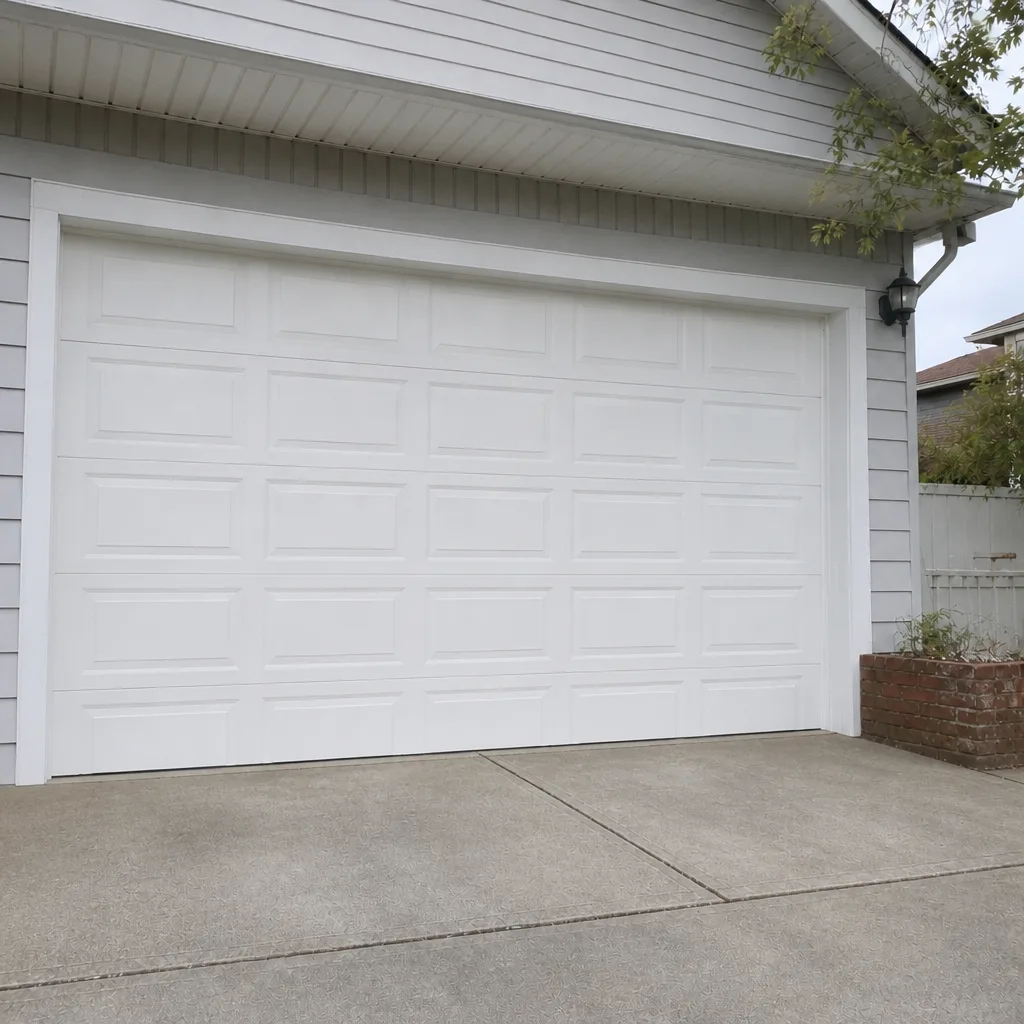 After
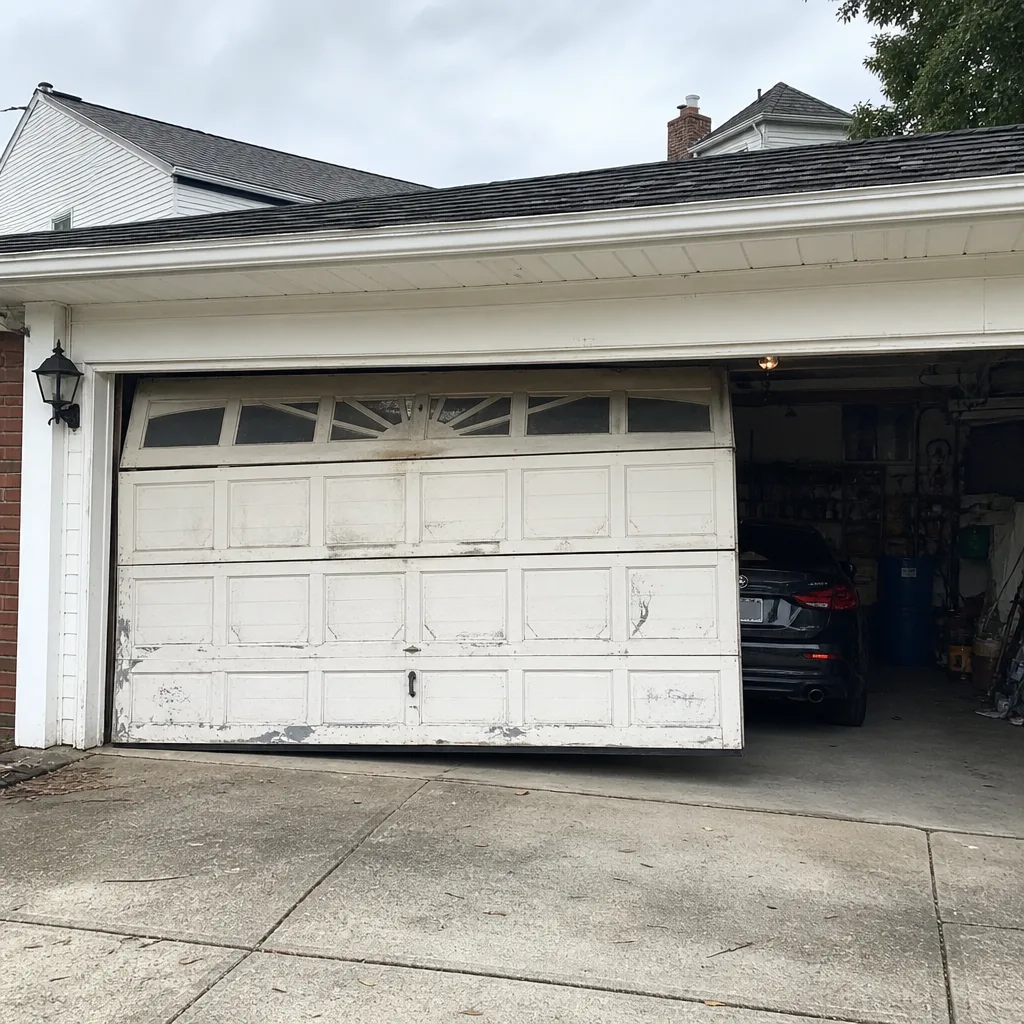 Before
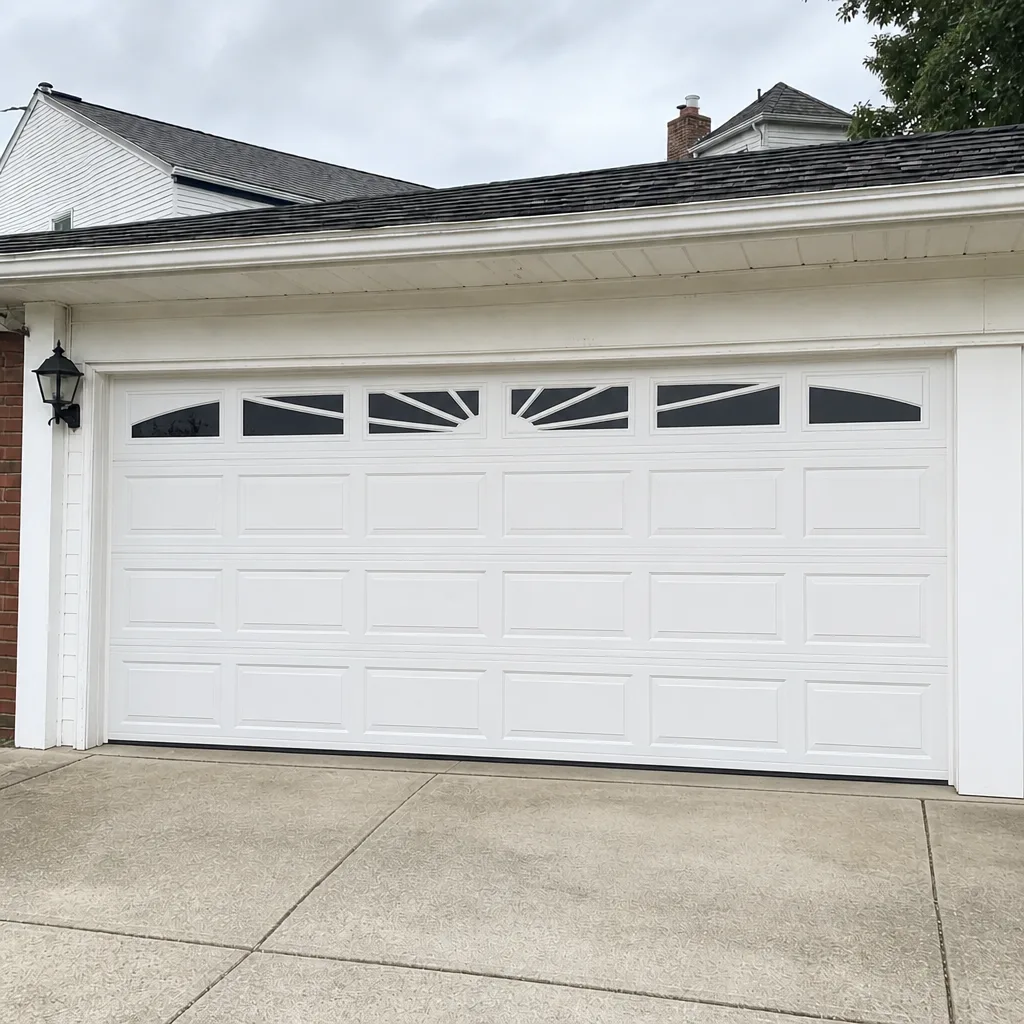 After
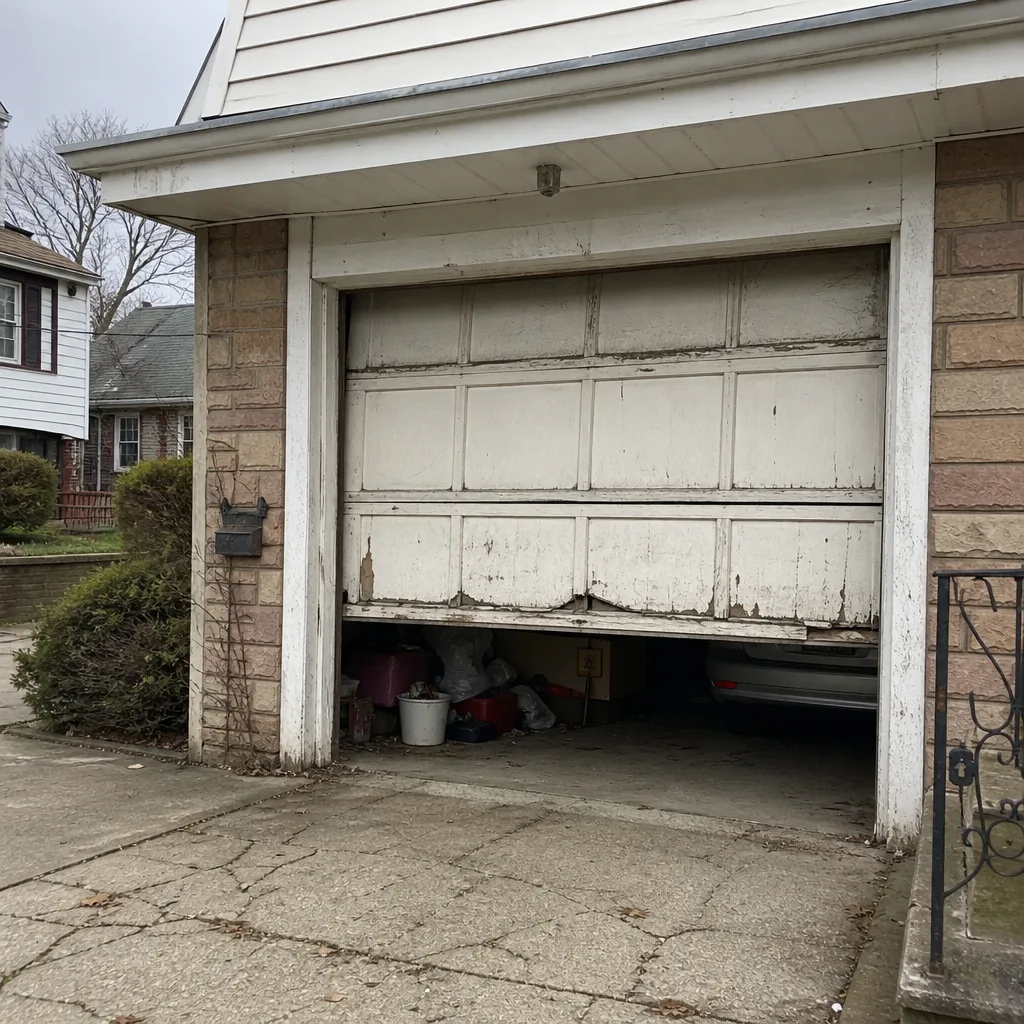 Before
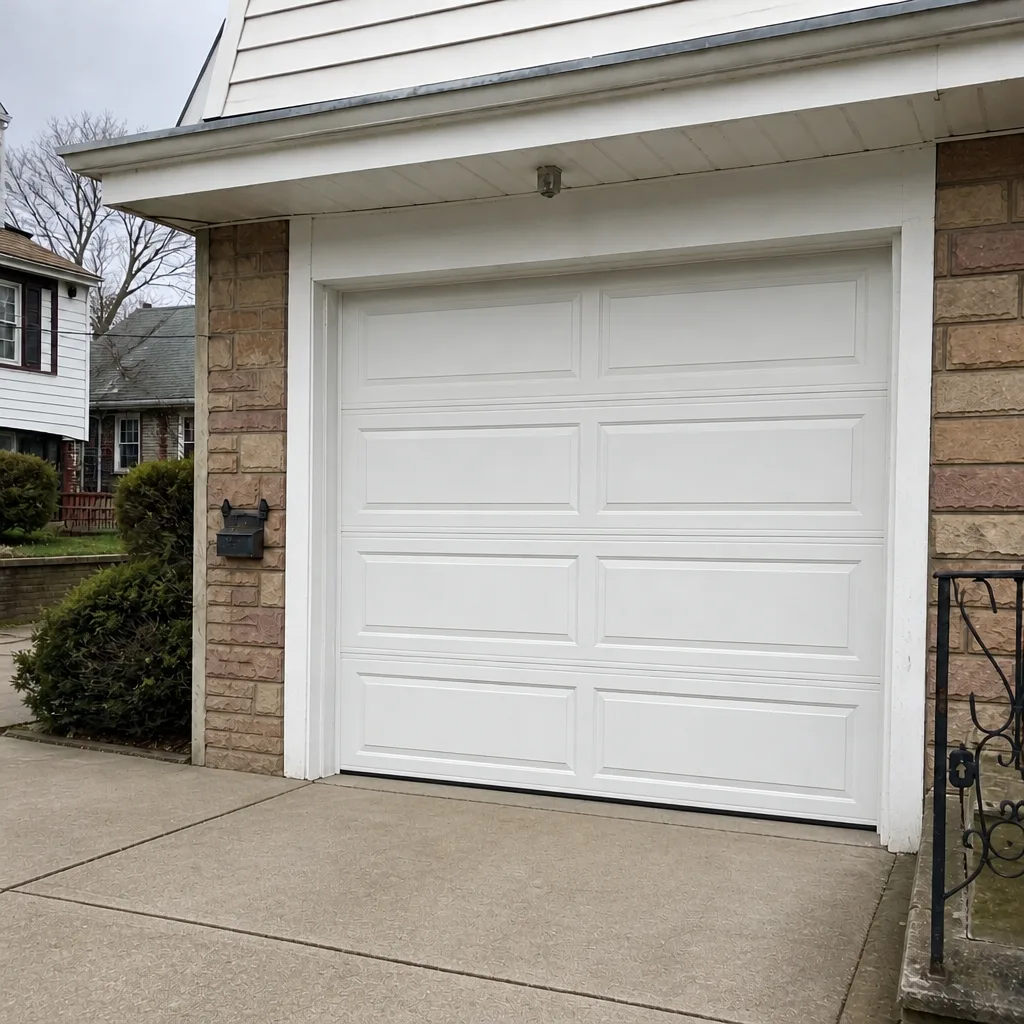 After
When to Call a Professional
Some garage door decisions are safe to make at the kitchen table; others are not. Call a professional when a spring is broken or the door is visibly unbalanced, when the opener hums but won’t move the door, when a door reverses or stops partway and sensor adjustment doesn’t fix it, when a panel or track is bent from an impact, or when you’re comparing brands and need someone who works on these lines daily to measure your opening and tell you what actually fits. Spring and opener failures don’t wait for a convenient moment – when your door fails, we’re ready. Garage Door Repair Throggs Neck offers free estimates in Throggs Neck – call (877) 792-6871. We answer 24/7, with fast dispatch from 7am to 7pm, Sunday through Friday.
Frequently Asked Questions
There’s no single best brand – the right one depends on your opening, insulation need, and clearance. For most Throggs Neck attached garages with limited headroom, Clopay, Amarr, and Wayne Dalton lines are the ones we most often see fit well, and the deciding factors are panel size, insulation type, and whether panels will stay orderable. Call (877) 792-6871 for a free estimate on your specific opening.
Yes, especially in an attached garage that shares a wall with heated living space. Polyurethane insulates better per inch and adds rigidity, while polystyrene is lighter and less expensive and better suited to detached or unheated garages. The right choice depends on how your garage is built, not on which is more expensive. Call (877) 792-6871 for a free estimate.
Because the opener is sized to the door’s weight, and a heavier insulated door can overwhelm an opener built for a lighter one. LiftMaster and Chamberlain share underlying technology and tend to pair cleanly, while older Craftsman openers work but have a narrower parts ecosystem, making door weight and spring balance more important. We repair openers across these brands and can check your pairing before you buy. Call (877) 792-6871 for a free estimate.
Usually the steel skin against rust-through, not springs, hardware, or labor. Read the exclusions and check whether the warranty is transferable; for a 10+ year stay, the terms covering springs, rollers, and hinges matter most. We can talk through what a given warranty means for your door. Call (877) 792-6871 for a free estimate.
Often yes – if the manufacturer still makes your door’s panel profile and color. That’s why panel availability is part of the brand decision. If the line is discontinued, you’re looking at larger sections or a full replacement. We can check panel availability for your door. Call (877) 792-6871 for a free estimate.
Yes. We work on LiftMaster, Chamberlain, Genie, Clopay, Amarr, Wayne Dalton, Craftsman, and Raynor, and handle doors and openers together under one roof, including mid-pairing mismatches. When a spring fails or an opener gives out, that’s emergency garage door service we treat as a named offering, not an afterthought. Call (877) 792-6871. We answer 24/7, with fast dispatch from 7am to 7pm, Sunday through Friday.
The Bottom Line
The right garage door brand for a Throggs Neck home is the one that fits your opening, insulates for a northeast winter, pairs cleanly with your opener, and stays repairable panel-by-panel. Judge steel gauge and galvanized coating, choose insulation type based on whether the garage is attached or detached, and read “lifetime warranty” for what it actually excludes. Favor stable lines from Clopay, Amarr, or Wayne Dalton over special-edition styles, and check opener compatibility before you buy. None of this needs to be guesswork – measure, compare, and ask the right questions, and the brand decision becomes straightforward rather than stressful.
When you’re ready to replace a door or fix a failing spring or opener, one call handles it. Call (877) 792-6871 for a free estimate. We answer 24/7, with fast dispatch from 7am to 7pm, Sunday through Friday. The price is quoted and agreed before any work starts, and the written estimate sets the final price.
Written by the team at Garage Door Repair Throggs Neck.