
Last updated November 21, 2026
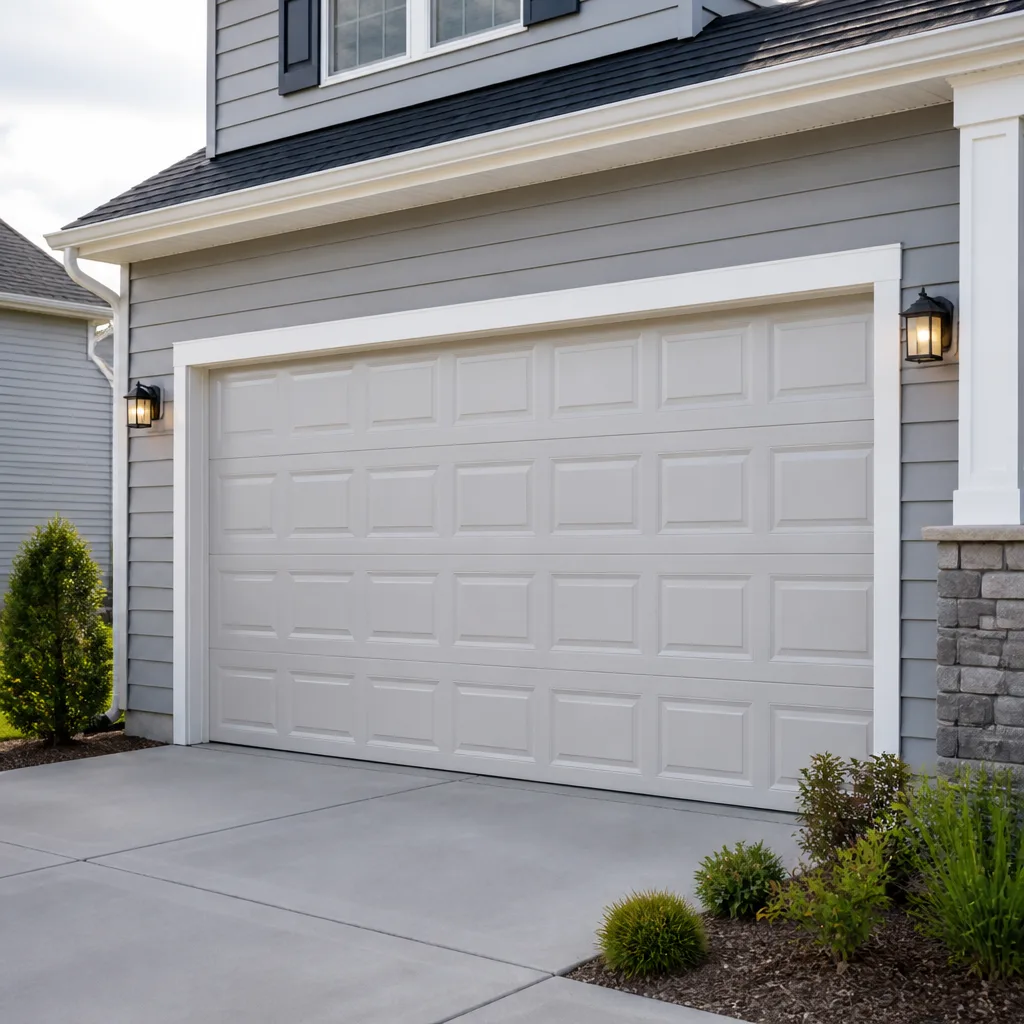 Raised-panel steel
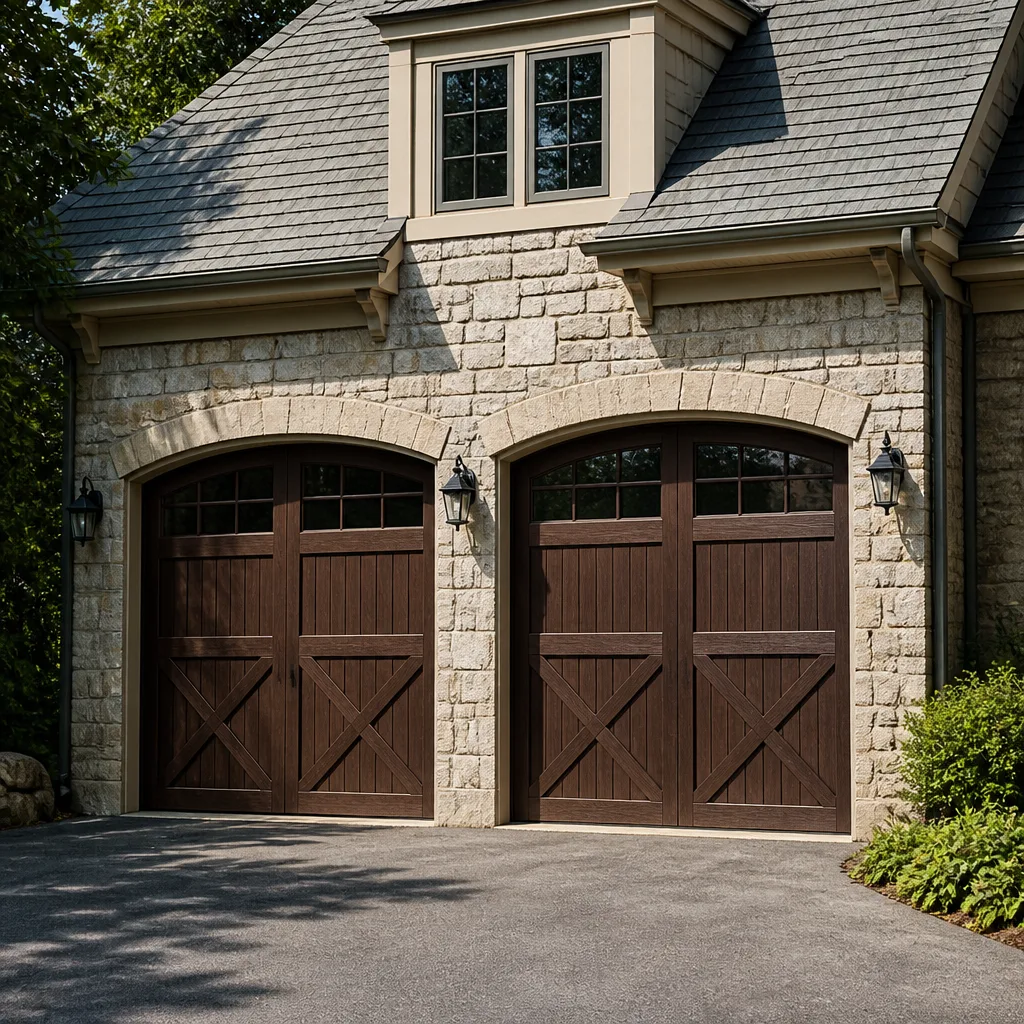 Carriage house
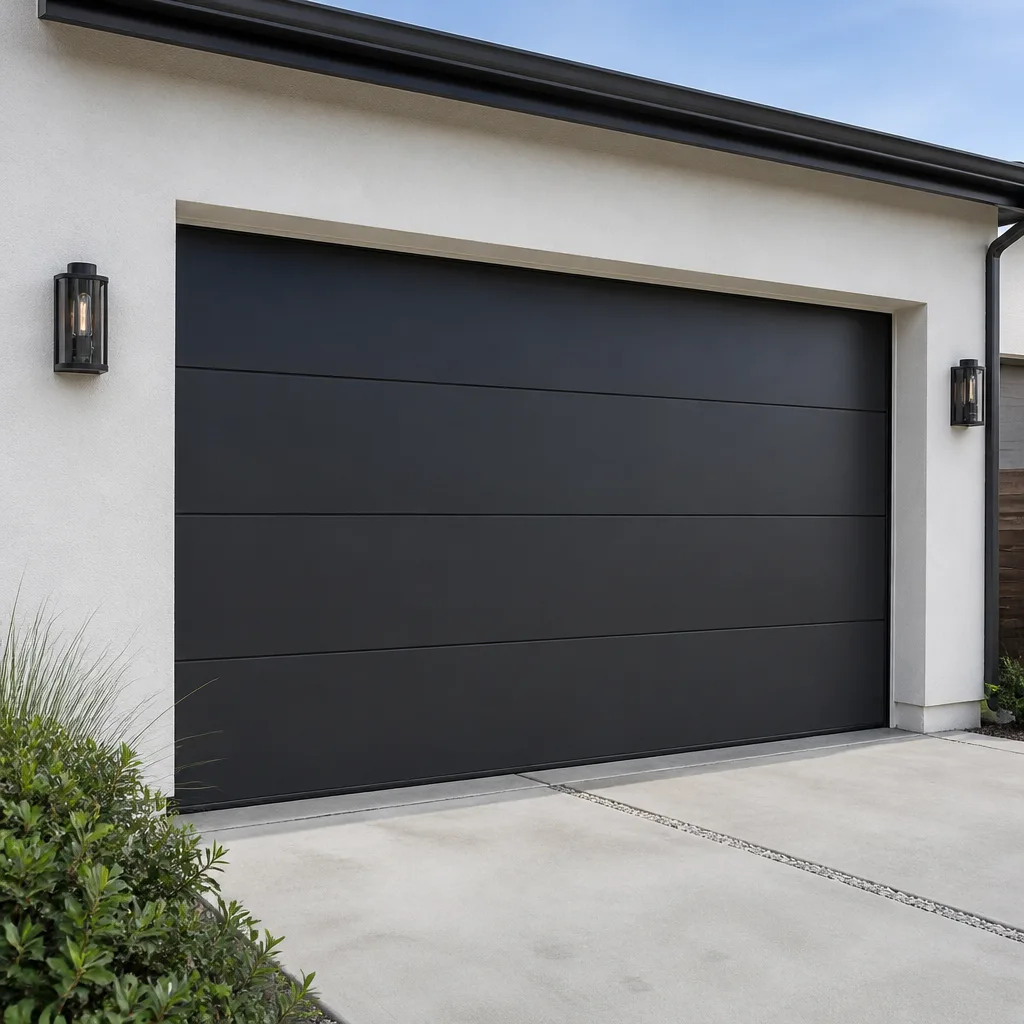 Modern flush
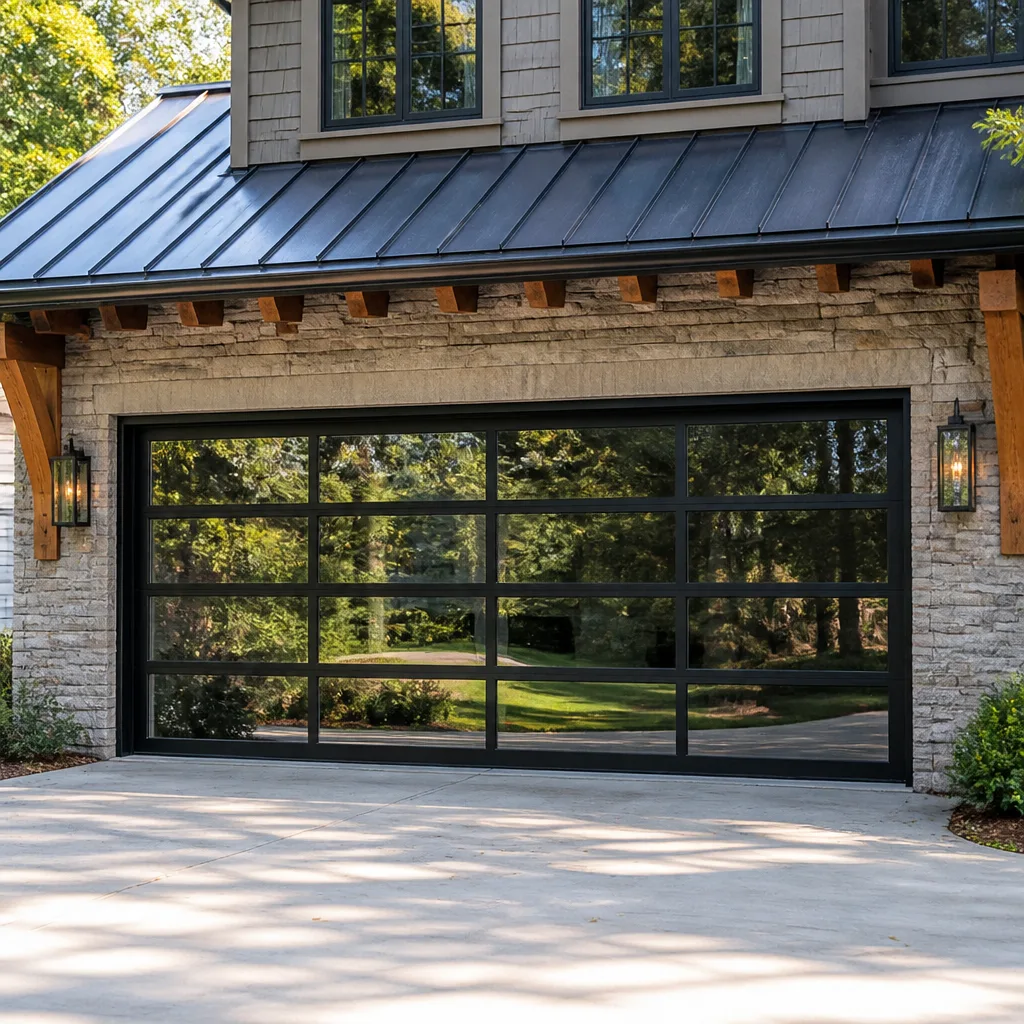 Full-view glass
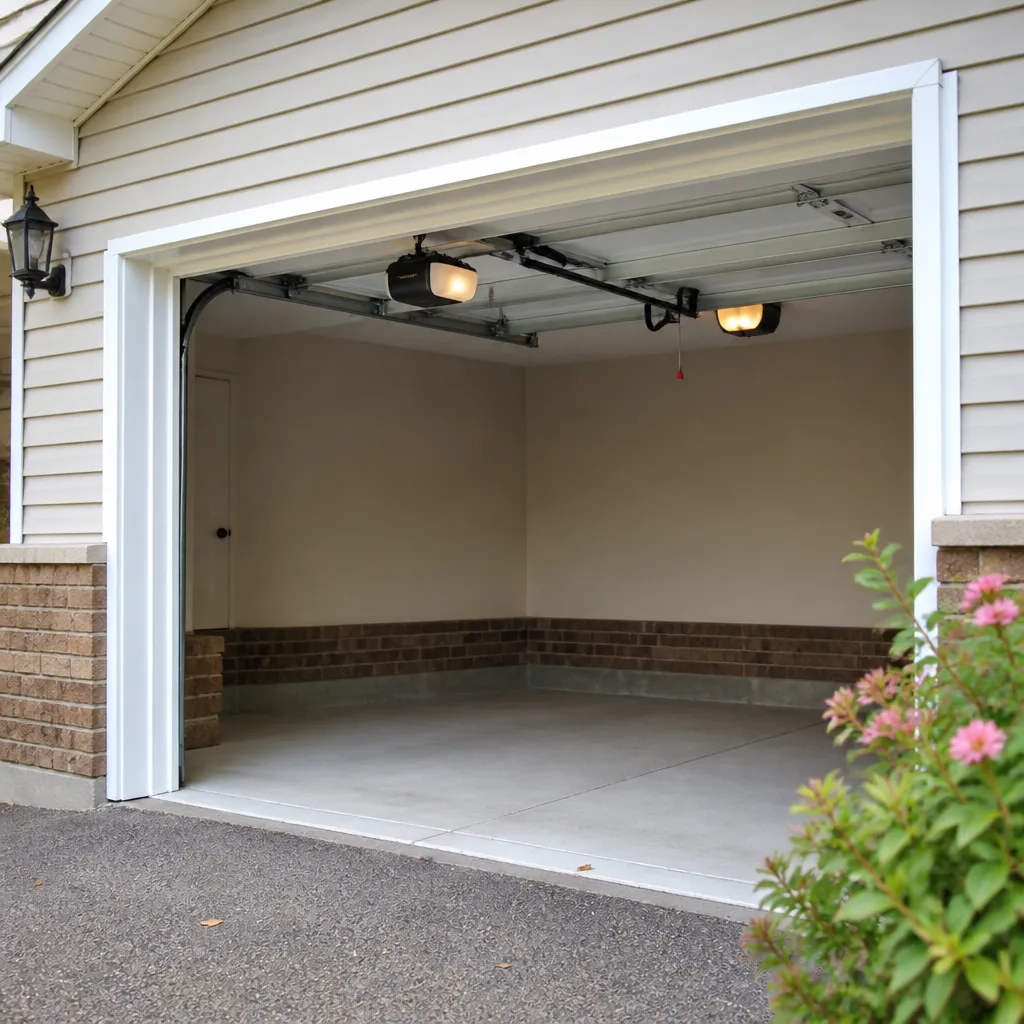 LiftMaster openers
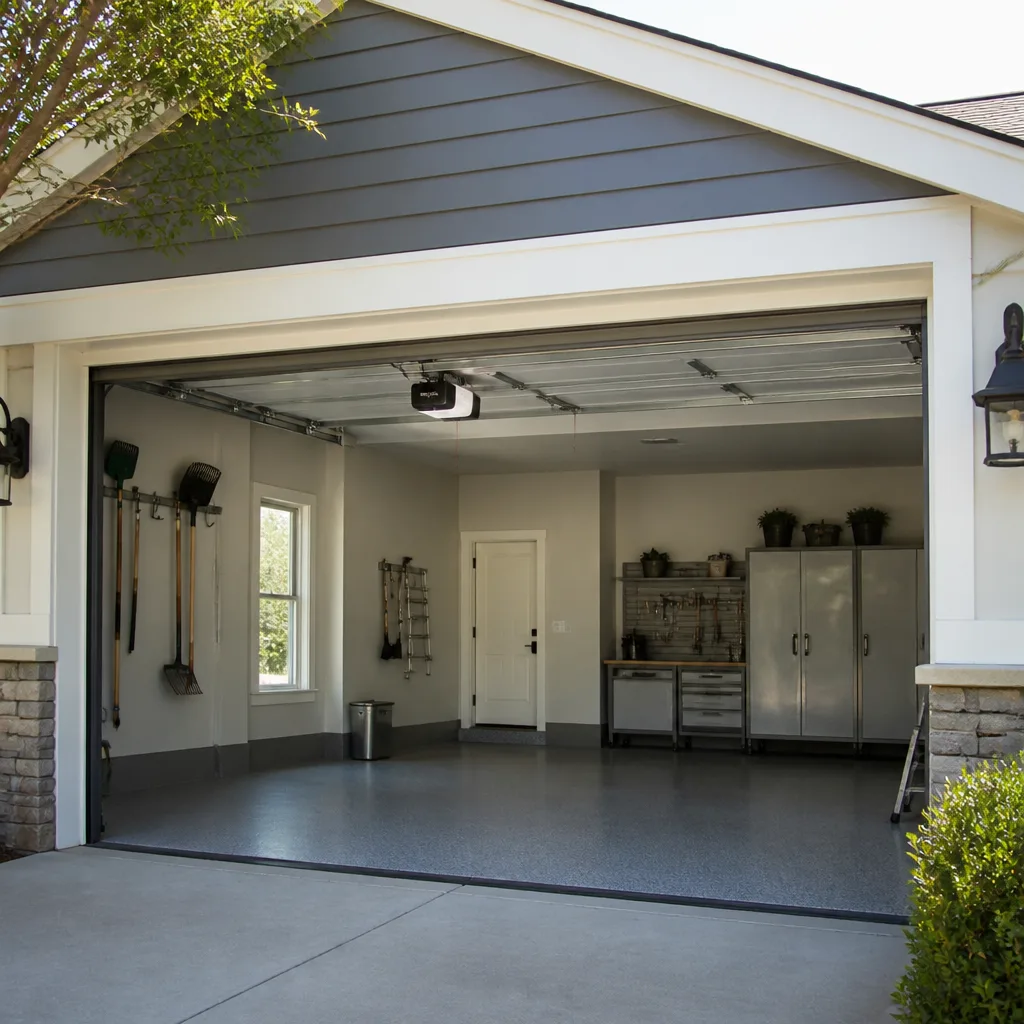 Chamberlain openers
Full 25-point door and opener safety check with every visit - springs, cables, rollers, tracks, and your LiftMaster or Chamberlain opener included
You get a price before we start. It does not change when the pro arrives.
Get your free estimateSeasonal Garage Door Care for Throggs Neck: Year-Round Homeowner’s Guide
Most homeowners think the worst week of the year for a garage door is a blizzard. In our experience working Throggs Neck doors, the busiest stretch is actually the first hard freeze of November, when a spring that’s been quietly weakening all fall finally gives out under the added tension that cold steel and cold grease create. The freeze doesn’t break a good spring. It exposes a marginal one. That’s the whole logic of this guide: a garage door fails on a schedule you can predict, and the homeowner who knows the schedule spends far less than the one who gets surprised. Below, we walk through what each northeast season does to your door, springs, opener and seals, and how to check each one before it becomes an emergency. You’ll get a fall pre-freeze checklist, a winter opener guide, a spring post-thaw inspection, a summer panel-and-humidity plan, and a maintenance log format a technician can read at a glance.
Quick Answer
Seasonal garage door care in Throggs Neck comes down to four checkpoints a year: a pre-freeze inspection in late fall covering springs, bottom seal and weatherstripping; a cold-weather focus on how your opener motor and lubricant behave below 20°F; a post-thaw inspection in spring covering tracks, hinges and cable drums after freeze-thaw cycles; and a summer pass on UV damage to panels and seals plus humidity effects on wood and composite doors. Do all four and you’ll catch most failing hardware weeks before it strands your car. Skip them and November is when you’ll find out.
Styles & brands we work with
- Raised-panel steel
- Carriage house
- Modern flush
- Full-view glass
- LiftMaster openers
- Chamberlain openers
Table of Contents
- Why Throggs Neck Garages Age on a Seasonal Clock
- Fall Pre-Freeze Checklist: Springs, Bottom Seal and Weatherstripping
- Winter Garage Door Care: Openers and Lubricants Below 20°F
- Spring Post-Winter Inspection: Tracks, Hinges and Cable Drums
- Summer Care: UV Damage, Panels and Humidity
- How to Build a 12-Month Maintenance Log
- Brand Notes for Throggs Neck Doors and Openers
- Common Mistakes to Avoid
- When to Call a Professional
- Frequently Asked Questions
Why Throggs Neck Garages Age on a Seasonal Clock
A garage door is the largest moving part of your house, and it hangs in an unconditioned opening that takes the full swing of northeast weather. In Throggs Neck that means humid summers, cold winters, and dozens of freeze-thaw cycles a year. Each cycle is small. The cumulative effect is not.
Three things happen seasonally that drive most of the failures we see in this neighborhood:
- Thermal contraction of springs. Torsion and extension springs are under constant tension. Cold steel contracts and loses resilience, so a spring that’s been losing strength all season reaches its limit when the first real cold arrives.
- Freeze-thaw movement on seals and hardware. Rubber seals shrink and harden, weatherstripping pulls, tracks shift slightly as the ground swells and contracts, and hinges loosen.
- Humidity and UV on the door itself. Wood and composite doors swell in the summer humidity and dry out again in the winter. Painted steel panels fade under summer sun that hits a south-facing driveway hard.
Throggs Neck’s housing mix matters too. The neighborhood has a lot of older homes with wood and wood-composite doors that need more seasonal attention than newer steel doors. Driveways are often tight, which makes a car stranded behind a stuck door more disruptive than it would be in a subdivision. And because most of us park on the street or in a driveway rather than a big open lot, the door is often the only way in and out. That raises the stakes on every seasonal check.
What follows isn’t a maintenance schedule you have to memorize. It’s a year organized around the failure patterns we’ve seen repeat in Throggs Neck, season after season. If your door has never had a seasonal inspection, reading through the fall checklist below is the best place to start.
Fall Pre-Freeze Checklist: Springs, Bottom Seal and Weatherstripping
Late fall is the single most important checkpoint of the year in Throggs Neck, and it has one goal: catch marginal hardware before the first hard freeze catches it for you. This is the inspection that most often saves a homeowner an emergency call in November.
Here is the order we recommend, and what you’re actually looking for at each step:
- Listen for the spring. Open and close the door twice. A spring near the end of its life often sounds different: a sharper twang, a heavier lift, or a door that rises unevenly. Note anything unusual and have a technician look at it before the cold arrives.
- Check the bottom seal. Run your hand along the rubber bottom seal. It should be pliable and sit flush against the floor. A seal that’s hardened, cracked or torn lets cold air, snow and water in, and it drags on the door as it moves. Replace it before freeze.
- Inspect weatherstripping around the opening. Look at the trim inside and outside the door. Weatherstripping should be tight against the door edge. Gaps let snow and cold in and put extra load on the operator.
- Test the balance of the door. Disconnect the opener and lift the door halfway. A well-balanced door stays put. A door that drops on its own or feels heavy is telling you the springs are losing tension.
- Lubricate hinges, rollers and tracks. A lubricant applied in fall is what carries you through winter. Wipe the old lubricant off first, then apply a cold-rated product to the hinges, roller stems and pivot points. Don’t spray anything on the tracks themselves in most cases; oil attracts grit. Ask your technician which product is right for your door type.
- Look at the door panels. Note any dents, rust spots or failed caulk around window frames. Cold makes small cracks grow.
A safety note before you climb anything: springs are under extreme tension, and the cable and drum assembly is just as dangerous. This is not a DIY repair. Do not attempt to adjust, remove or replace a spring or cable yourself. Only a trained technician with the right winding bars and experience should touch this hardware. Your part of the fall checklist is inspection and lubrication; spring work belongs to a specialist.
If a spring shows signs of failure during the fall check, address it now rather than in January. A spring that lets go while the car is out of the driveway is inconvenient. One that lets go with the door up and a car inside is a problem you’ll solve on the phone.
Winter Garage Door Care: Openers and Lubricants Below 20°F
Sub-freezing temperatures change how your opener and your door behave. This is one of the points competitors usually skip, so it’s worth going into detail.
What happens to the opener motor. An opener motor isn’t a heat source; it’s a mechanical device that has to overcome more resistance in cold weather. That resistance shows up in three places:
- Grease inside the gearbox and on the drive screw thickens, so the motor works harder to move the door.
- Cold rubber seals and rollers drag on the door, adding load.
- A door that wasn’t quite balanced in fall becomes noticeably heavier in cold weather.
Together these can make an opener that ran quietly all summer strain, stall or trip its safety reverse. If your opener is a LiftMaster, Chamberlain, Genie or Craftsman unit, the control board and force settings are the things that decide how it handles added load. A technician can check those and adjust the force limit safely, though we don’t recommend homeowners adjust force settings themselves; done wrong, they defeat the safety reverse system.
What lubricant actually works below 20°F. Not all garage door lubricant is cold-weather lubricant. A general-purpose oil or a heavy grease applied in the warmer months can thicken enough in January to cause drag on rollers and hinges. Look for a garage door lubricant specifically rated for low temperatures, usually a silicone or lithium product. Apply it sparingly to hinges, rollers, springs (from a safe distance, on the outside of the coil only) and pivot points. Wipe away excess so it doesn’t attract grit. Wipe down the tracks with a dry cloth and leave them dry; heavy lubricant on tracks is a common cause of “my door won’t close in winter” complaints.
A few more winter behaviors worth knowing:
- Safety sensors. Snow, frost and ice can fog the photo-eye sensors at the base of the tracks. Wipe them clear with a soft cloth and check that both LED indicators are solid, not blinking.
- Bottom seal freeze. A wet bottom seal can freeze to the floor overnight. If you’re in the habit of pulling away as the door opens, stop; let the door travel fully and give the seal a moment before you back out.
- Remote batteries. Cold drains remote batteries faster. If the door works from the wall button but not the remote, the battery is the first thing to check.
None of this is a substitute for an inspection. If your opener hesitates, reverses for no reason, or runs but the door doesn’t move, that’s a sign to stop using it until a technician has looked at it. Our garage door opener repair covers the control boards, safety sensors and drive systems on the brands found in most Throggs Neck driveways.
Spring Post-Winter Inspection: Tracks, Hinges and Cable Drums
Winter leaves its mark on the door hardware in ways that don’t always show up immediately. A post-winter inspection in early spring catches the freeze-thaw damage before it turns into a summer repair.
Here’s what to look for, in order:
- Tracks. Look for bends, dents or areas where the track has moved. Check that the vertical tracks are plumb and the horizontal tracks are level. Freeze-thaw movement of the ground under the garage floor slab is a common cause of track shifting in this part of the Bronx. A track that’s out of alignment will cause the door to bind and the opener to strain.
- Hinges. Loosened screws are common after a winter of temperature cycling. Tighten any that are working loose. A hinge that’s cracked at the knuckle or missing a roller should be replaced.
- Cable drums. This is the inspection most homeowners miss. The cable drums at the top of the torsion assembly should be tight on the shaft, with cable wound evenly and no slack. Frayed cables, cables that have jumped the drum, or drums with loose set screws are all warnings you need a technician. Cables are under extreme tension; do not touch them.
- Rollers. Check for flat spots, cracks or wobble. Nylon rollers usually last longer than steel; steel rollers can flat-spot after a hard winter.
- Weatherstripping. Even if you replaced it in fall, check it again. Cold can lift the nails and pull the seal away.
- The door itself. Look at every panel. Check for rust at the bottom edge, where moisture collects. Wood doors often swell in spring, so check that all panels close cleanly.
If your door has been making a new noise, running unevenly or reversing unexpectedly, that’s your first call of the year. Spring repair is specialized, safety-critical work and should be treated that way. Our garage door repair page explains what a technician checks on a service call.
Summer Care: UV Damage, Panels and Humidity
Summer is the season homeowners pay the least attention to their door, and it’s the season a lot of damage quietly accumulates. Throggs Neck gets its share of hot, humid days, and both sun and humidity have specific effects on the door.
UV damage. South- and west-facing doors take the most sun. What to look for:
- Fading or chalking paint on steel panels.
- Bubbling or blistering on painted surfaces, especially at panel seams.
- Dry, cracked rubber seals and weatherstripping.
- Window frames that have lost their caulk or sealant.
A door that gets direct afternoon sun will surface hotter than the air temperature, which accelerates paint failure. Repainting or resealing a faded door in late summer, before the wet season, protects the panels for another year.
Humidity effects on wood and composite doors. A lot of Throggs Neck homes have wood or wood-composite doors, and these move with the seasons. In high summer humidity, wood swells; panel edges can bind, and the door can stick in the frame. Composite doors are more stable but not immune, and their joints can absorb moisture at any place where the seal has failed. What to look for:
- Panels that bind or rub when the door closes.
- Visible gaps or separation at panel joints.
- Swelling at the bottom edge of the door, where water pools.
- Peeling paint or failed sealant anywhere moisture can enter.
Summer is also the best time to have a new door measured and installed, because the work can be done without fighting cold. If you’re thinking about a replacement, our garage door installation walkthrough covers what a measure-and-quote visit involves.
Summer is also when openers tend to act up for a different reason: heat. Control boards and motors can overheat in a hot garage. If the opener starts stopping partway through a cycle on the hottest afternoons, that’s worth a service call.
How to Build a 12-Month Maintenance Log
A maintenance log sounds like paperwork. In practice, it’s the single biggest help you can hand a technician when they arrive. It tells them what you’ve already checked, what changed, and when it changed, so they can go straight to the issue instead of starting cold.
Here’s the format we recommend:
- Create a one-page log on paper or a note on your phone. Title it with the door brand and model if you know it (Clopay, Amarr, Chamberlain and Genie are common in this area). Add the opener brand and model too.
- Six columns across the top. Date. Season check (fall, winter, spring, summer). What you inspected. What you found. What you did about it. Who did the work if it wasn’t you.
- Log every entry. A line like “November: checked bottom seal – cracked, replaced by technician” is worth more than a page of paragraphs. It’s the deferred issues that get identified quickly this way.
- Keep notes on noises. “Rattle on closing” or “grinding on opening, started in August” gives a technician a huge head start on diagnosis.
- Note every service visit. Date, what was inspected, what was replaced, what was recommended for next time. A single page becomes a service history. When a technician reads it, they can often spot the pattern that leads to a deferred failure.
- Keep it in the garage. A small clipboard on a hook near the door is surprisingly effective because you’ll fill it in at the door rather than meaning to later.
You don’t need a complicated app. What you need is a record that’s current and readable. Our technicians have up to 11 years of experience reading service histories like this, and a log is the difference between a fifteen-minute appointment and a forty-five-minute diagnostic.
Brand Notes for Throggs Neck Doors and Openers
Not every seasonal issue is brand-specific, but a few things are worth knowing if you own a particular make. We handle doors and openers from LiftMaster, Chamberlain, Genie, Clopay, Amarr, Wayne Dalton, Craftsman and Raynor, so we can usually identify the issue on the first visit.
Openers. Chamberlain and Genie units both have their own approaches to force limits and safety sensor logic. On a Chamberlain or LiftMaster chain drive, the travel limits are set via the control panel and can drift as the door’s balance shifts season to season. On a Genie screw drive, the screw itself picks up grit and can get noisy in dry winter air. Craftsman openers, which are often interchangeable with Chamberlain units on the control board side, need the same force-setting attention. On any of them, an opener that reverses for no obvious reason in the cold is worth a service call before it fails outright.
Doors. Clopay and Amarr steel doors in this area tend to hold finish well, but the bottom seal and window-frame caulk are the first things to wear. A wood door, more common on older Throggs Neck homes, needs repainting every few years to keep moisture out of the panel edges. Composite doors need the joints checked in spring and the paint touched up every year or two.
The full list of brands we work with also includes Chamberlain, Genie, Clopay and Amarr, plus Wayne Dalton, Craftsman and Raynor; we’d rather name them than tell you we “do all brands,” because brand-fluent service is the whole point.
Common Mistakes to Avoid
- Waiting until the first freeze to check the springs. In Throggs Neck, that’s the week springs are most likely to fail. Do the fall check a few weeks earlier.
- Lubricating the tracks. Heavy oil on the tracks attracts grit and makes the door stick, especially in cold weather. Keep the tracks dry and wipe them clean.
- Forgetting the bottom seal. A worn bottom seal lets water in, which is the start of rust on steel doors and rot on wood doors. Replace it early.
- Adjusting opener force limits yourself. Raising the force to get a heavy door to close defeats the safety reverse and can cause a serious injury. Get a technician to check balance and force together.
- Touching a spring or cable to “see what’s wrong.” Torsion and extension springs hold lethal tension. This is not a DIY repair.
- Ignoring a new noise. A new rattle or a grinding sound is a warning. Track it in your log and get a technician to look at it before it becomes a failure.
- Skipping the summer check. A lot of seal and panel damage happens quietly in the sun. A ten-minute pass each summer saves painting and replacement later.
When to Call a Professional
Some seasonal checks are homeowner work: wiping sensors, cleaning tracks, noting noises, replacing bottom seal if you’re comfortable. Other jobs are professional territory, and they’re worth identifying clearly. Call a specialist when:
- A spring has broken, or the door feels heavier or drops on its own.
- You see any sign of a frayed cable, a jumped cable or a loose cable drum.
- The door has jumped or come off its track.
- The opener reverses for no reason, strains, or runs but doesn’t move the door.
- The door has been hit by a vehicle or shows structural panel damage.
- Your log shows a noise or issue that’s been getting worse for two or more seasons.
Our Garage Door Repair Throggs Neck team offers free estimates in Throggs Neck, with upfront pricing agreed before any work starts. Call (877) 792-6871 to book an inspection or a service call.
Frequently Asked Questions
Once a year at minimum, with a fall pre-freeze inspection being the most important. In our experience in Throggs Neck, a door on a seasonal inspection schedule catches most failing hardware weeks before it strands a car. If you have a wood door or a door that’s more than a decade old, a twice-yearly inspection is worth considering.
Cold makes steel less resilient and increases tension. A spring that was already losing strength can reach its limit when the first hard frost arrives. That’s why fall is the most important time to have springs inspected in Throggs Neck.
Yes, for the moving parts that don’t hold lethal tension: hinges, roller stems and pivot points. Use a cold-rated garage door lubricant applied sparingly. Do not lubricate tracks, and do not touch the springs or the cables, which are under extreme tension and require a trained technician.
A modern opener should keep working well below freezing, but added resistance from cold grease and stiff seals can make it strain or trip its safety reverse. If it’s hesitating in cold weather, have a technician check the force settings and door balance.
Yes. Wood and wood-composite doors absorb moisture and move with the seasons. In summer, humidity causes swelling that can make panels bind. In winter, drying can open joints and crack paint. A wood door needs repainting every few years and a joint-and-seal check each spring and summer.
We work on doors and openers from LiftMaster, Chamberlain, Genie, Clopay, Amarr, Wayne Dalton, Craftsman and Raynor. If your brand isn’t on that list, ask; we’ll let you know honestly whether we can cover it. Our technicians have up to 11 years of experience with these systems, and we can usually diagnose your door and opener on the same visit.
The Bottom Line
Throggs Neck garage doors age on a seasonal clock, not a random one. Fall is the most important checkpoint, and it’s the season the marginal spring gets caught before the first freeze takes it out. Winter care is about your opener and your lubricant, since force, cold and stiff seals all add load. Spring is the post-thaw inspection for tracks, hinges and cable drums. Summer is UV and humidity. Get on that schedule, log what you do, and you’ll go into every season knowing where your door stands. If anything on your checklist is outside your comfort zone, or if you’ve skipped a season, call (877) 792-6871 for a free estimate. We answer 24/7, and our fast dispatch from 7am to 7pm Sunday through Friday gets a trained technician out to look at your door.
Written by the team at Garage Door Repair Throggs Neck.
See the difference
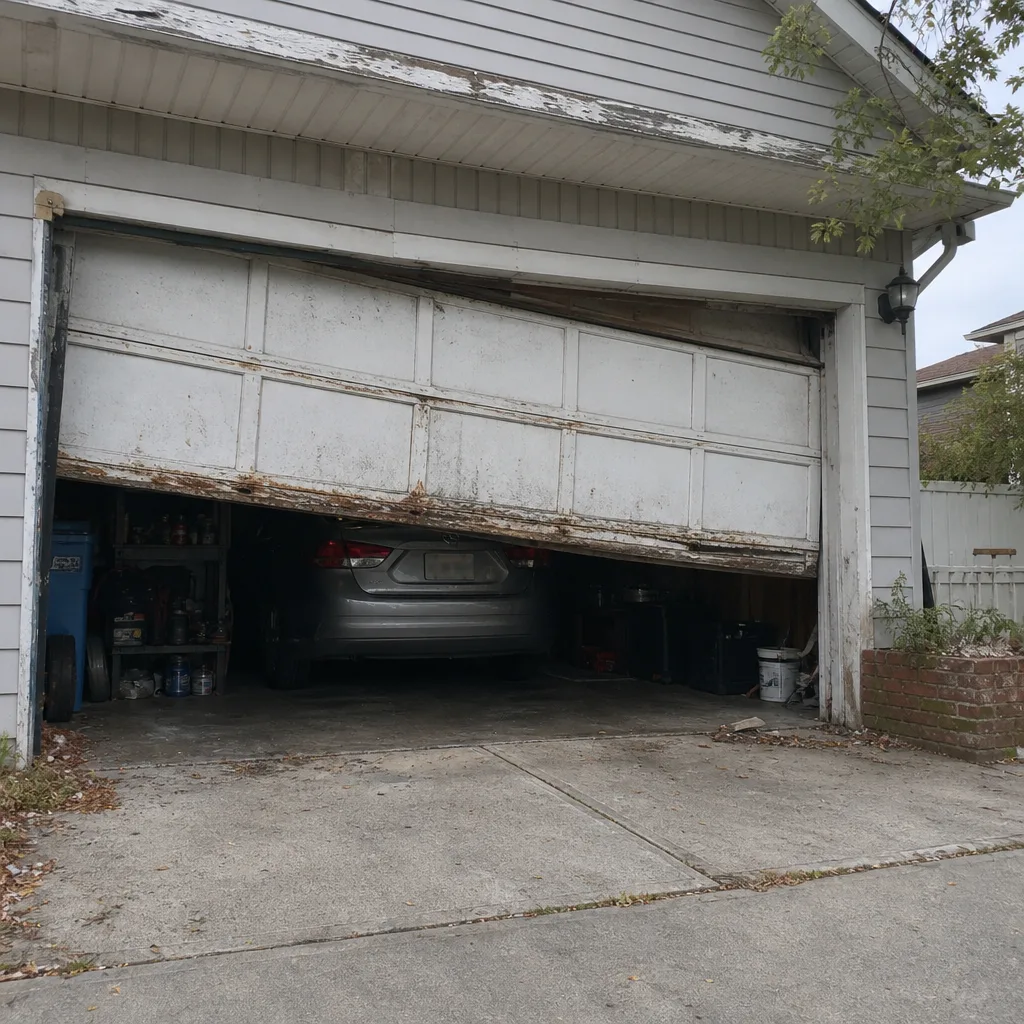 Before
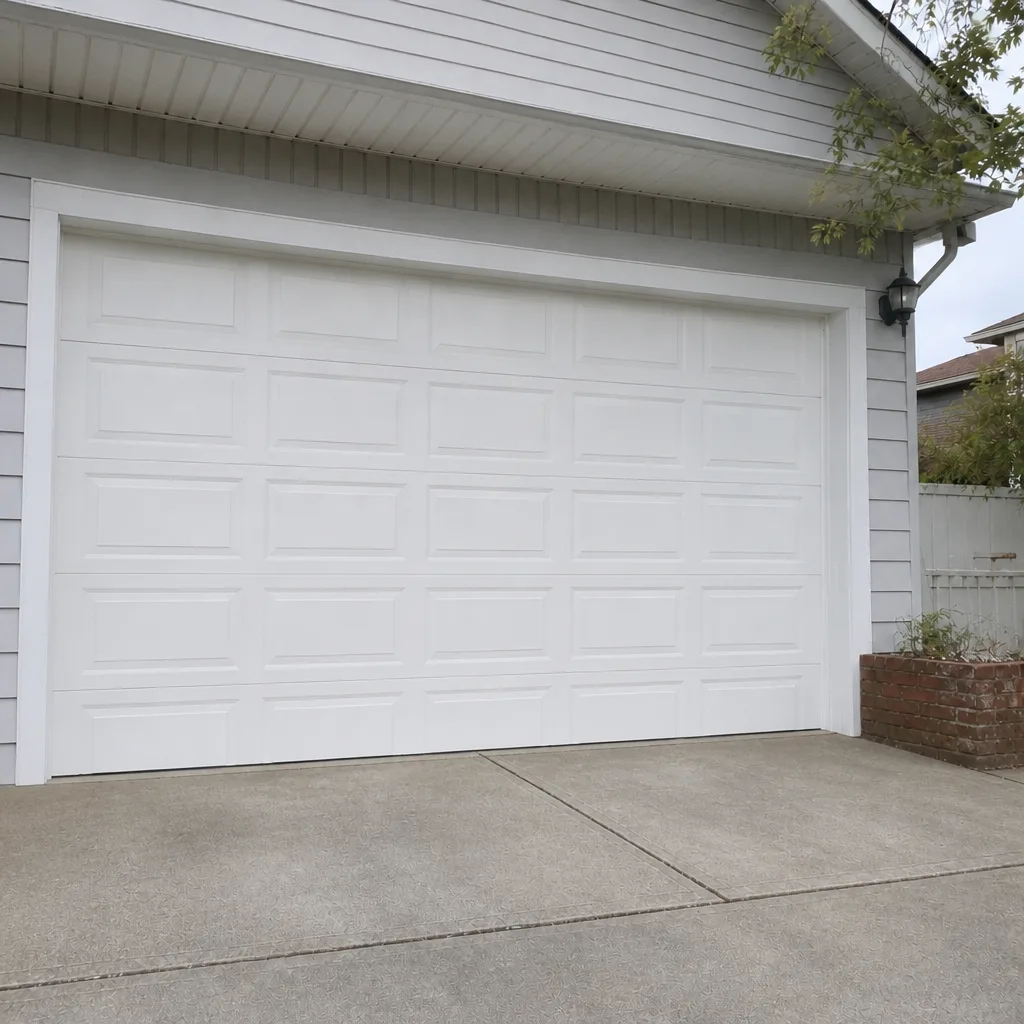 After
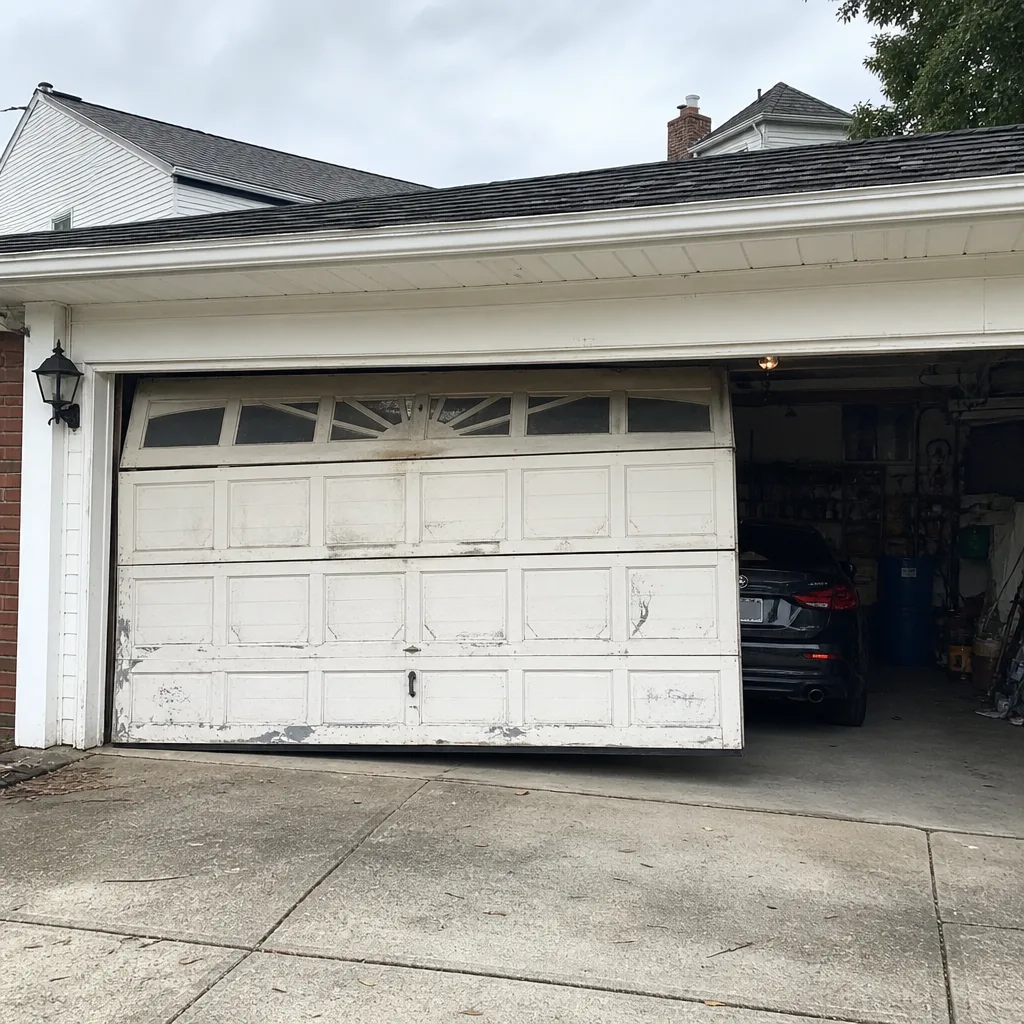 Before
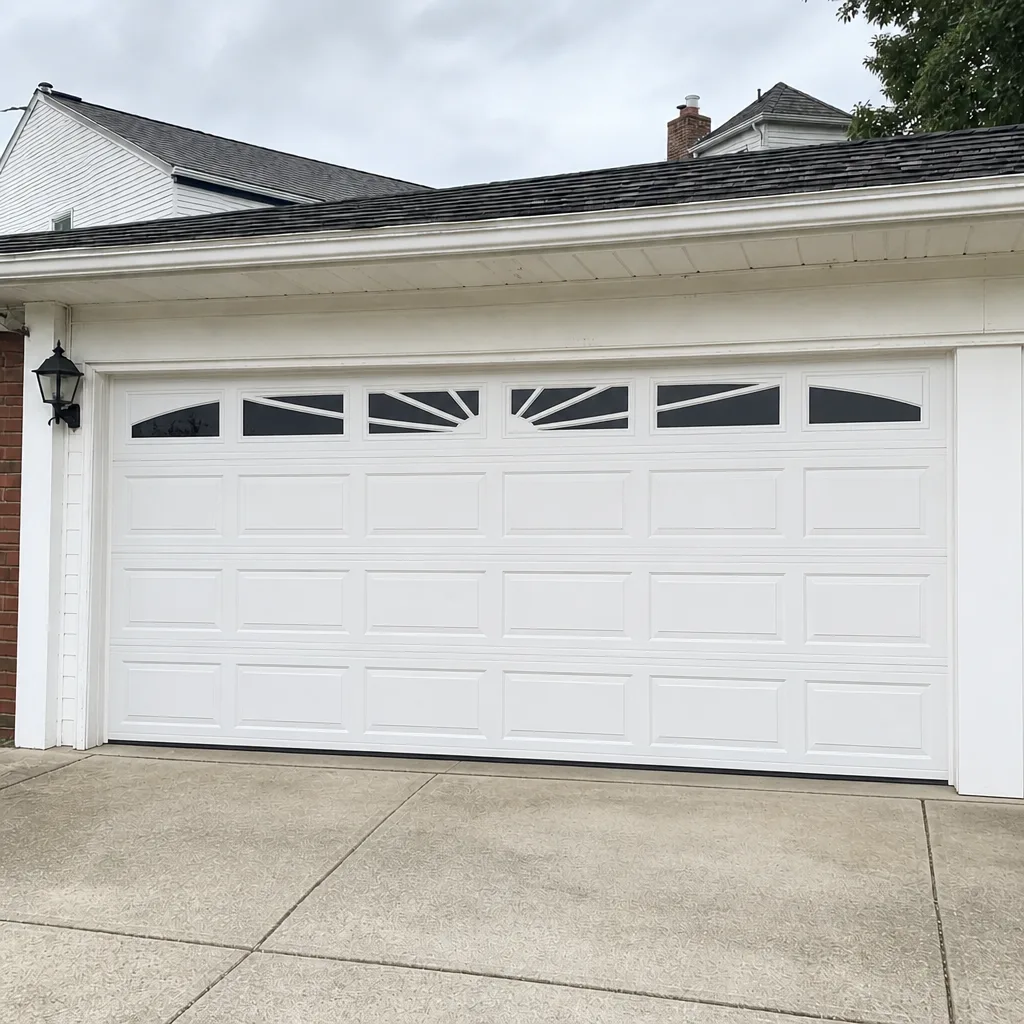 After
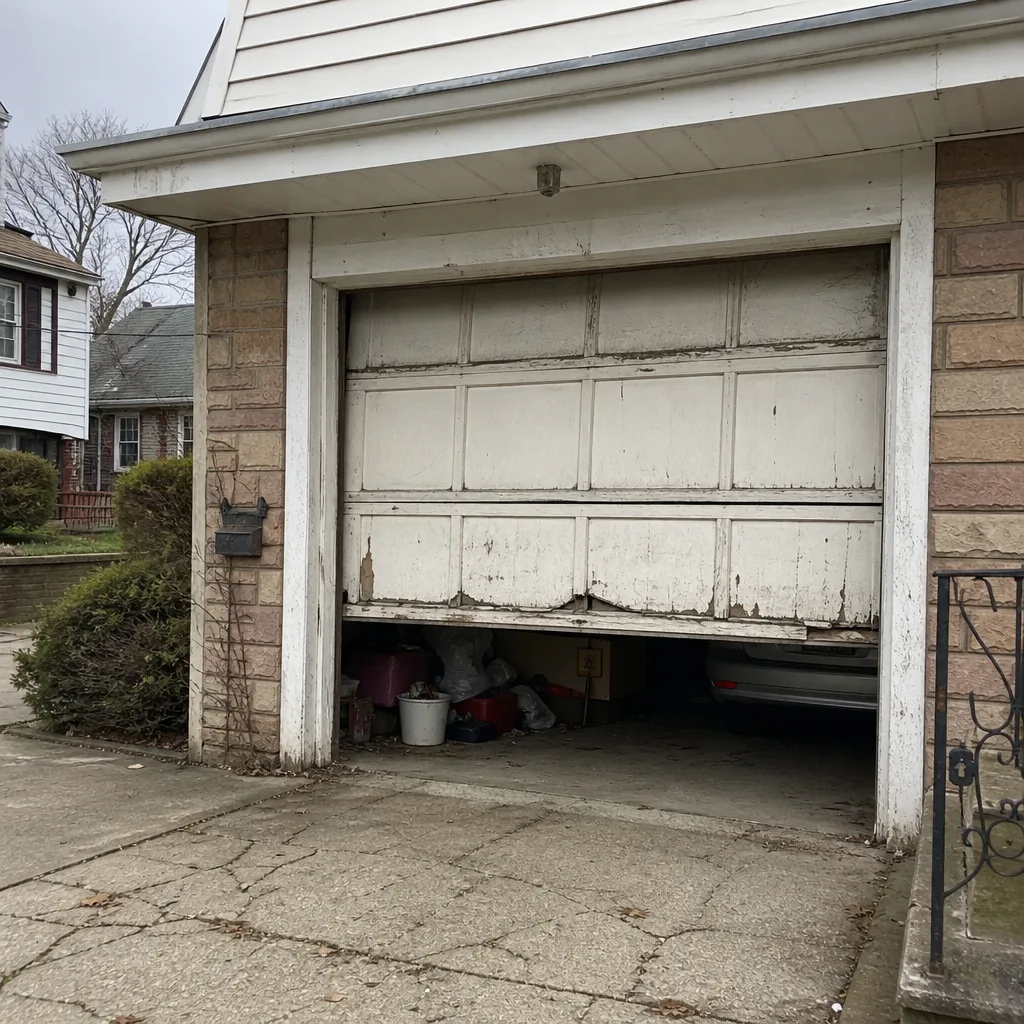 Before
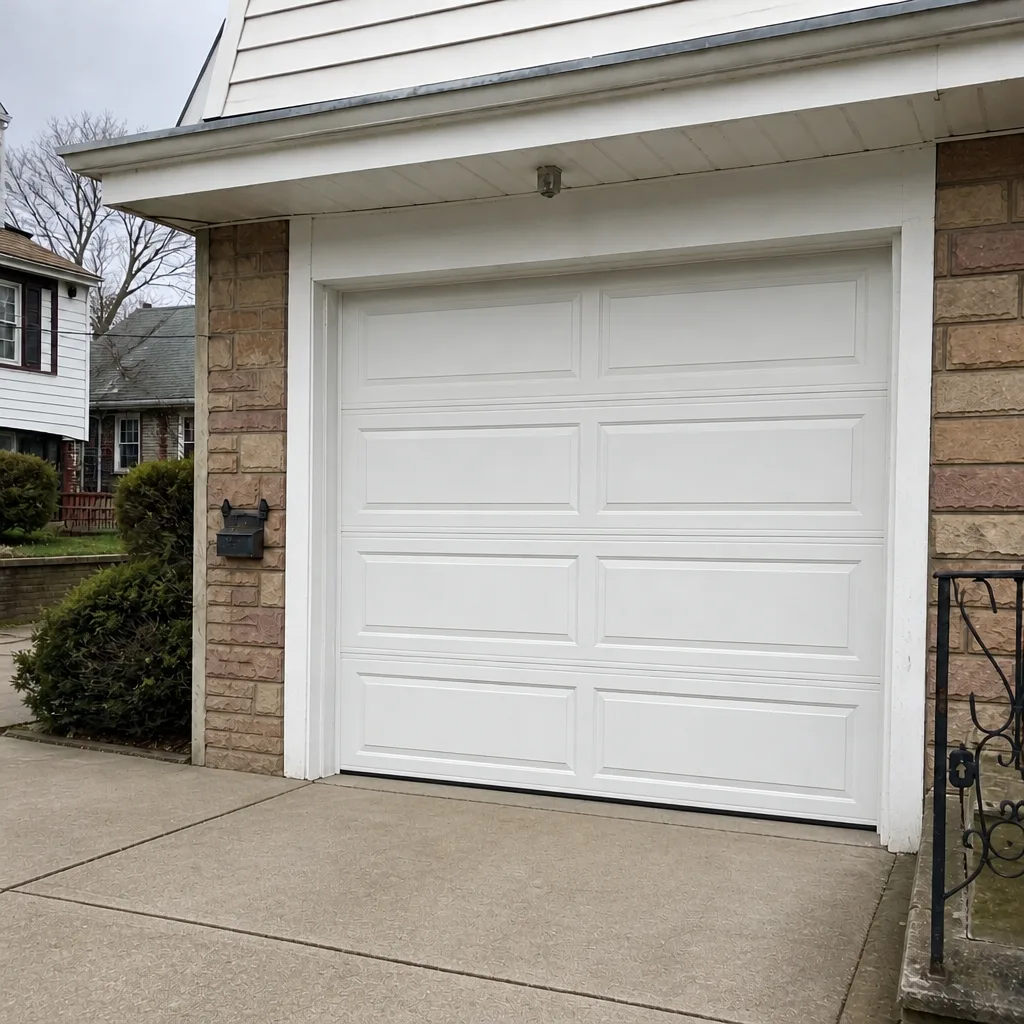 After